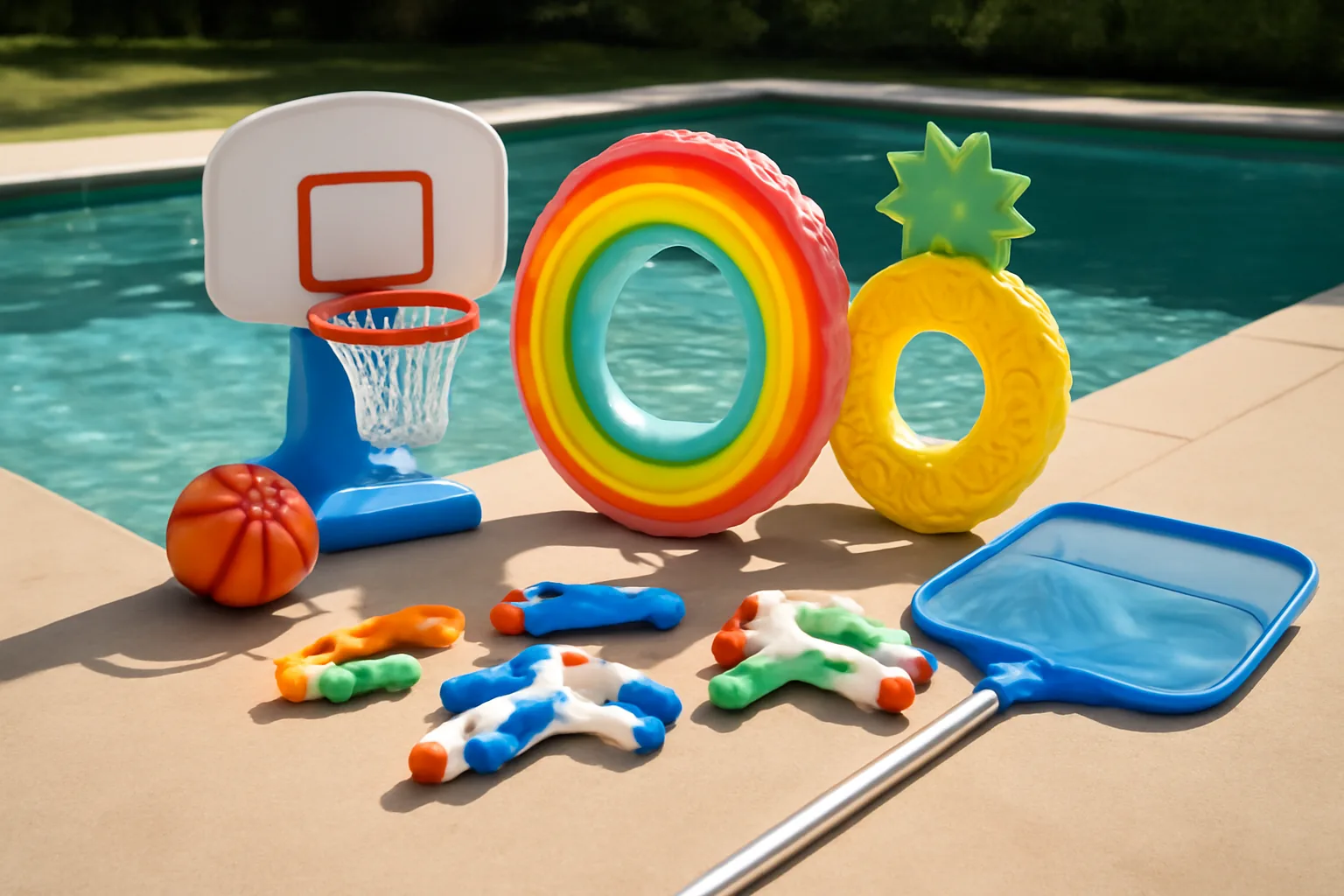
Want to know which pool toys your kids will actually play with instead of abandoning by mid-summer? The answer isn’t what most parents think—and I’m going to save you a small fortune proving it. As a backyard pool owner, I’ve spent years watching which items survive the season and which ones end up deflated in a garage corner, both in my own pool and in the pools of neighbours and family members I’ve helped out over the years. My own three children, ages 7 to 14, get pool access nearly every weekend, and they’ve become my unwilling research team. What I’ve learned isn’t from scrolling product reviews; it’s from watching gear get thrown around on concrete decks, exposed to desert sun, and saturated in properly balanced chlorine water.
This isn’t casual observation either. I treat my kids’ pool gear the way I’d assess equipment at any pool I’ve worked on—material science included. Chlorine at 1 to 3 ppm free chlorine with pH between 7.2 and 7.6 degrades certain plastics noticeably within 60 to 90 days. UV exposure at this latitude accelerates that breakdown further. Those realities change which products are genuinely worth their price tag versus which ones are just expensive mistakes waiting to happen. I’m going to walk you through the categories and specific items that have earned permanent spots in our gear bag.
My selection framework rests on four criteria: how materials perform under chlorinated conditions, UV durability, whether kids maintain interest past the novelty phase, and whether products meet ASTM International standard F963 and CPSC guidelines around pool-toy safety, particularly entrapment and flotation accuracy. Most gear reviewers skip that last part entirely, but safety compliance is the foundation everything else sits on.
What Makes Pool Gear Actually Worth Buying
My evaluation system starts with material resilience in chlorinated conditions, UV resilience, sustained play value (will your kids care about it in week six?), and adherence to ASTM International standard F963 plus CPSC specifications for pool-toy safety. That final component—compliance—gets overlooked by most parents, but it shouldn’t. Entrapment hazards and inflated flotation claims are where real problems emerge.
Through years of owning pools and helping out on the neighbours’ and my family’s, I’ve seen how PVC and bargain-bin plastics begin noticeably degrading between 60 and 90 days of consistent exposure to correctly balanced chlorine levels (1–3 ppm free chlorine, pH 7.2–7.6). High-density polyethylene and powder-coated metal frameworks outlast these materials by a considerable margin. Whenever marketing copy screams “heavy-duty,” I dig into actual specifications—wall thickness measurements, frame gauge ratings. Buzzwords without numbers? That’s when skepticism kicks in.
One pattern stands out across my years of pool ownership and helping out at my neighbours’ and family’s pools: engagement duration becomes the decisive factor parents underestimate. Static toys—floats, loungers, things designed purely for buoyancy—bore kids quickly. Equipment built around active participation and competitive elements? That’s what keeps them engaged for six, seven, eight hours straight. I’ve seen this repeatedly across different age groups and pool setups.
The Best Pool Toys and Gear for Kids: My Top Categories
The One Pool Game That Actually Gets Used Every Weekend
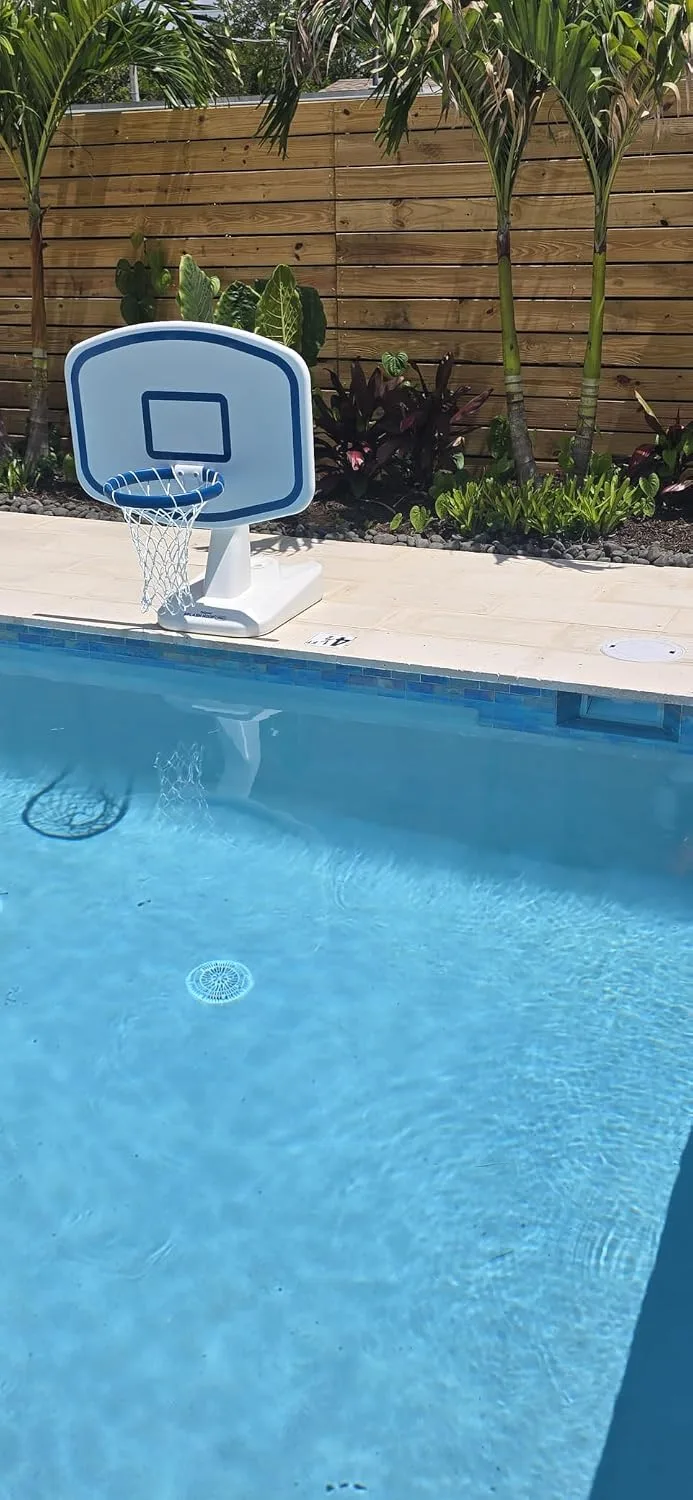
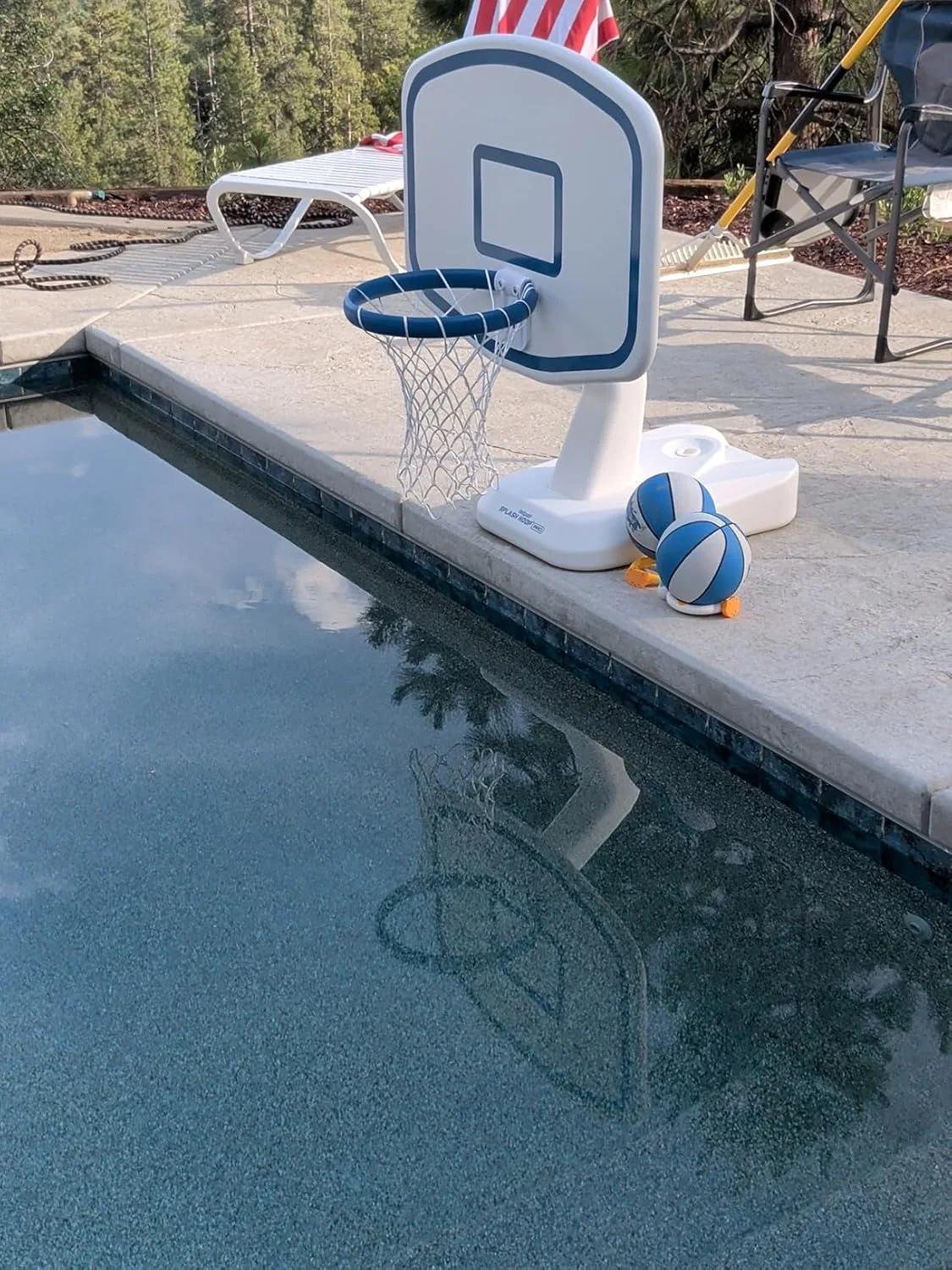
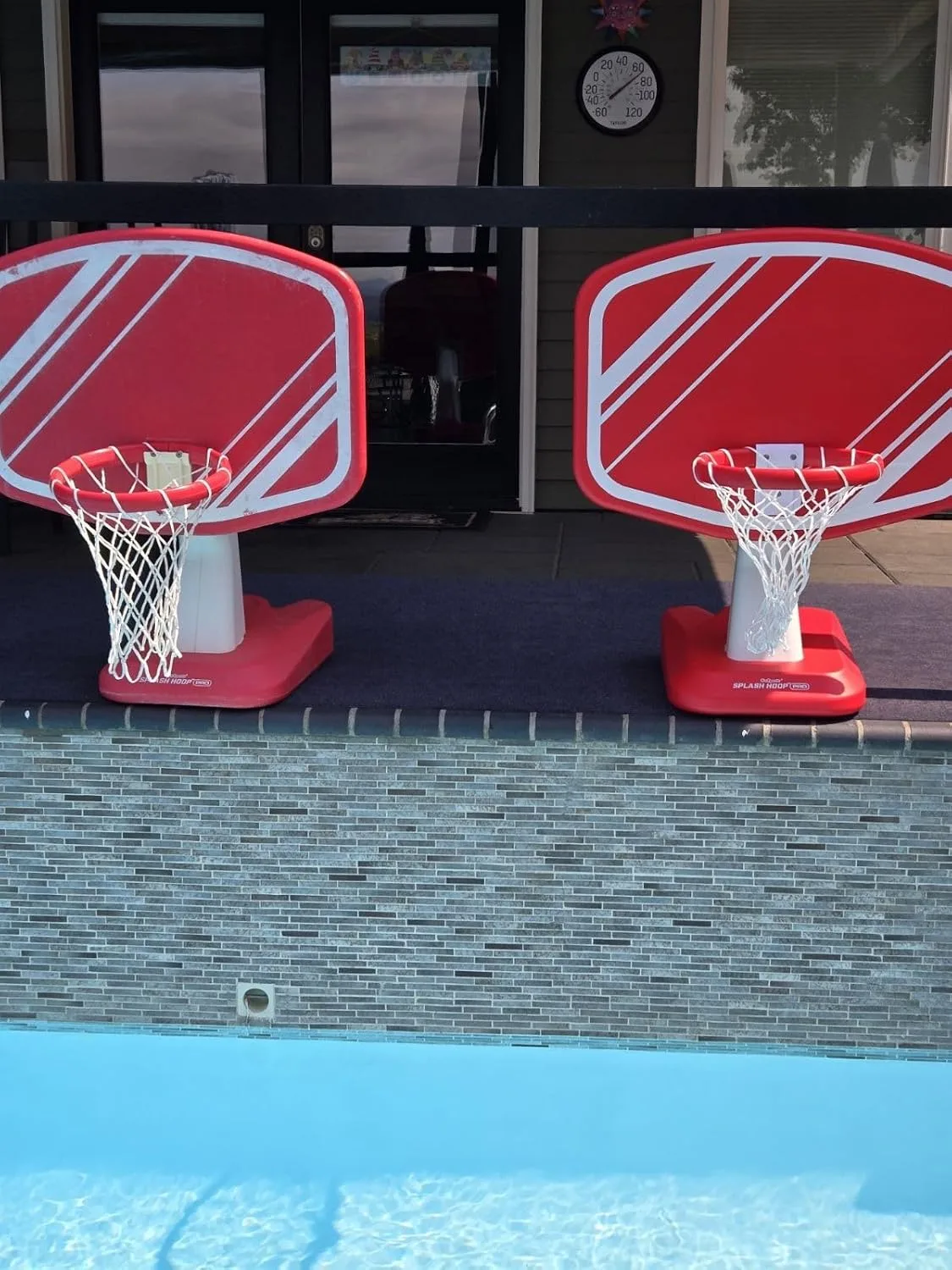
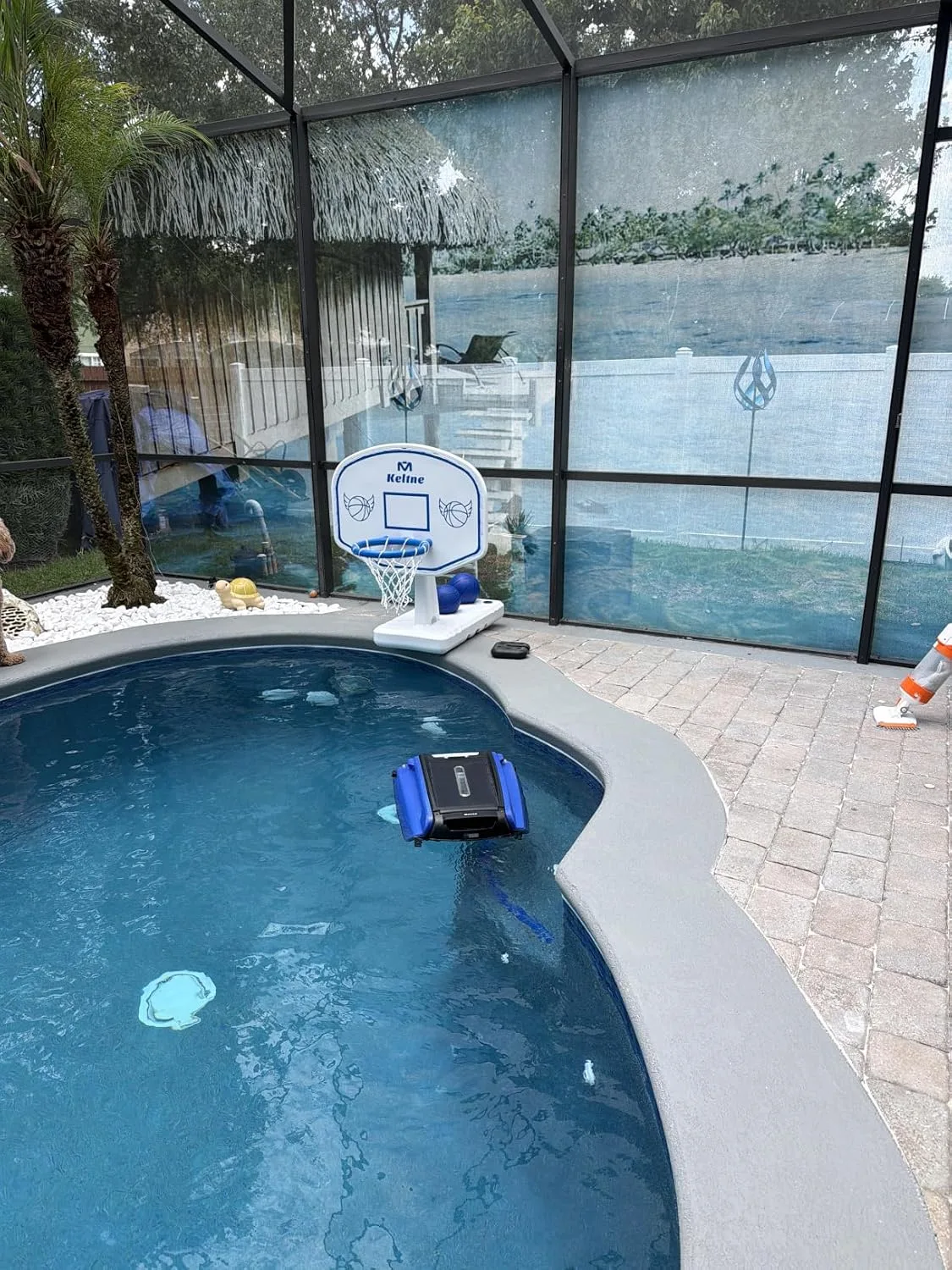
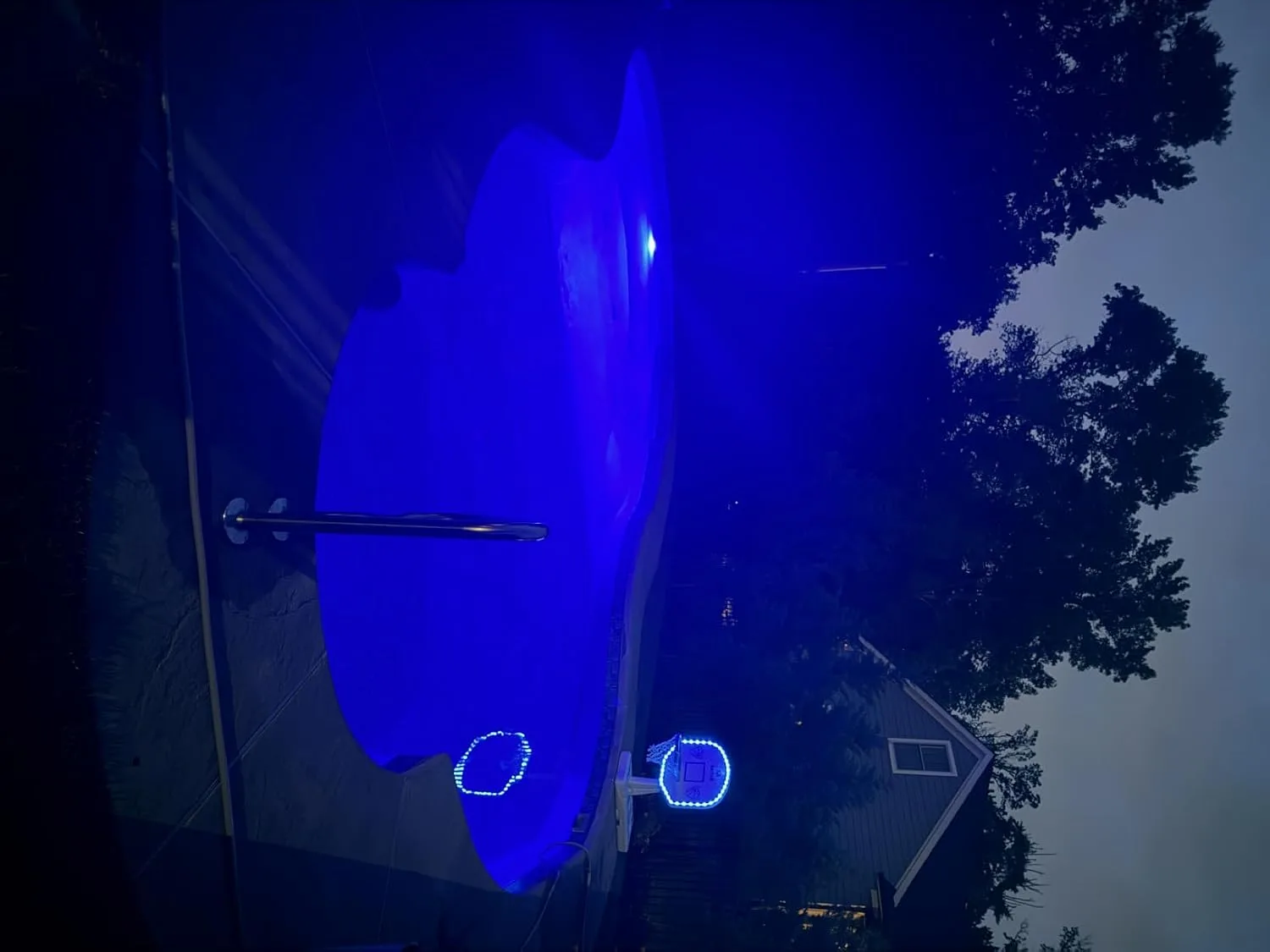
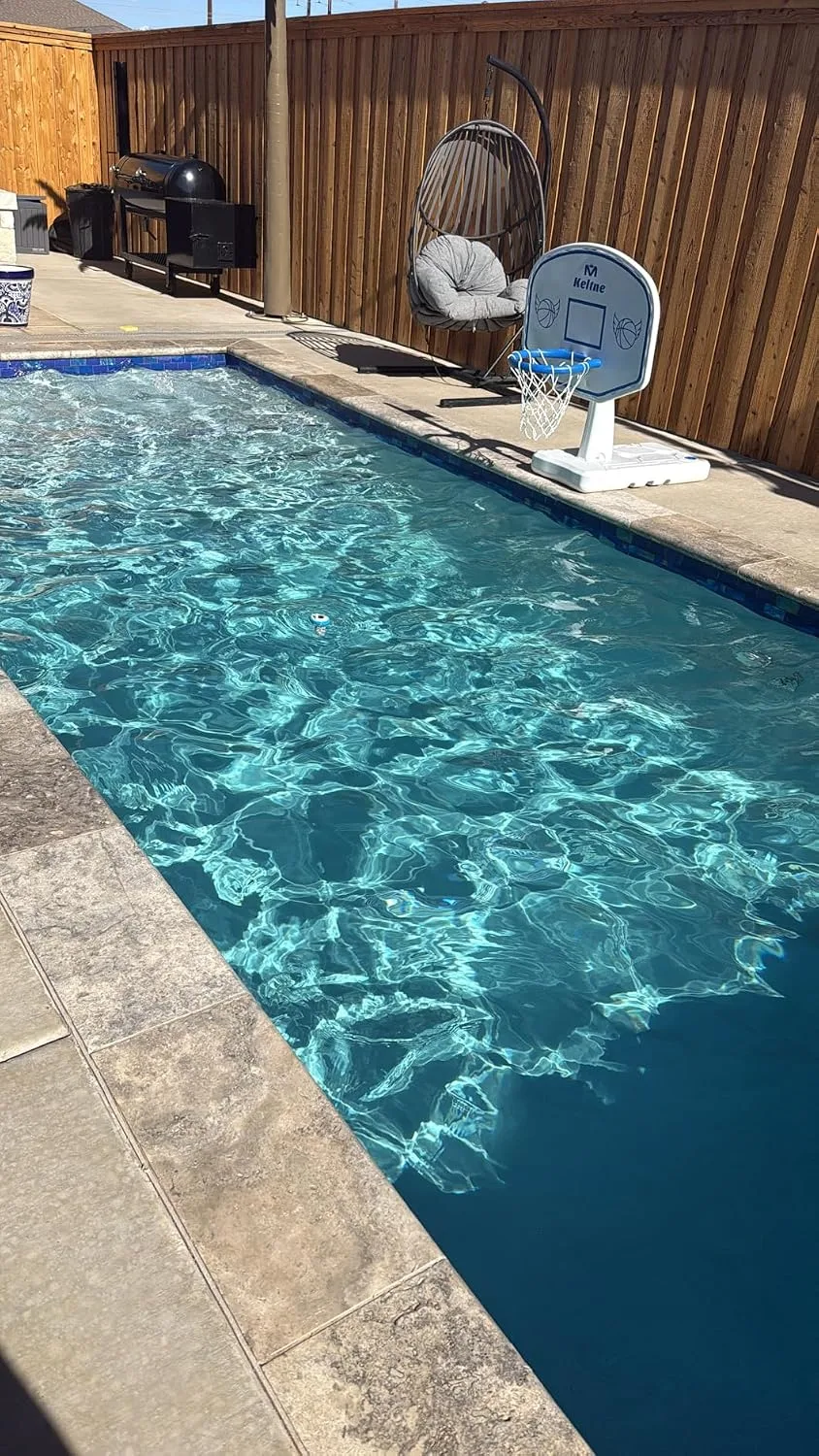
Seasons of watching expensive floats go flat and pricey toys wind up ignored taught me something fundamental: competitive play is what hooks kids. Mount a basketball hoop and your pool transforms into something more than water—it becomes an arena.
What works
- The rim endures wild dunking contests and aggressive play—I’ve watched children throw their full body weight at this and witnessed zero flex, wobble, or tipping.
- Unlike air-filled alternatives, no daily leak repairs or deflation panic; durability spans multiple seasons without degradation or maintenance demands.
- Natural team formation happens instantly, driving sustained play sessions that translate to fewer supervision demands and genuinely autonomous entertainment without parent intervention.
What doesn’t
- Physical footprint is substantial—mounting it means sacrificing usable water area; this isn’t equipment for cramped pools or those needing full-surface flexibility.
- Permanent installation typically involves anchoring systems, presenting logistical complications for rental situations or above-ground setups seeking portability.
I hesitated at first because I worried the mounting system would fail after one season of Arizona heat and UV exposure, but it’s held strong for three summers now. If you’re tired of wasting money on pool toys that disappear, grab the GoSports Splash Hoop Swimming Pool Basketball Game.
About This Article
Written by Nadia Caldwell. Backyard pool owner and water chemistry nerd. After years of chasing down cloudy water and algae blooms on my own pool and my neighbors', I now write about pool maintenance, water treatment, and everything chlorine-related for everyday pool owners. More about this site.
Scope and limits. Nadia is a pool owner who reads chemistry, not a certified pool professional. Follow label directions on every chemical, never mix them, and use a certified pool operator for equipment and sanitizer system work.
Verify this against a primary source
Specifics change, and your situation may differ from the one described here. These are the authorities worth checking directly:
- World Health Organization — guidelines for safe recreational water environments
- Pool & Hot Tub Alliance — water chemistry and pool operation standards