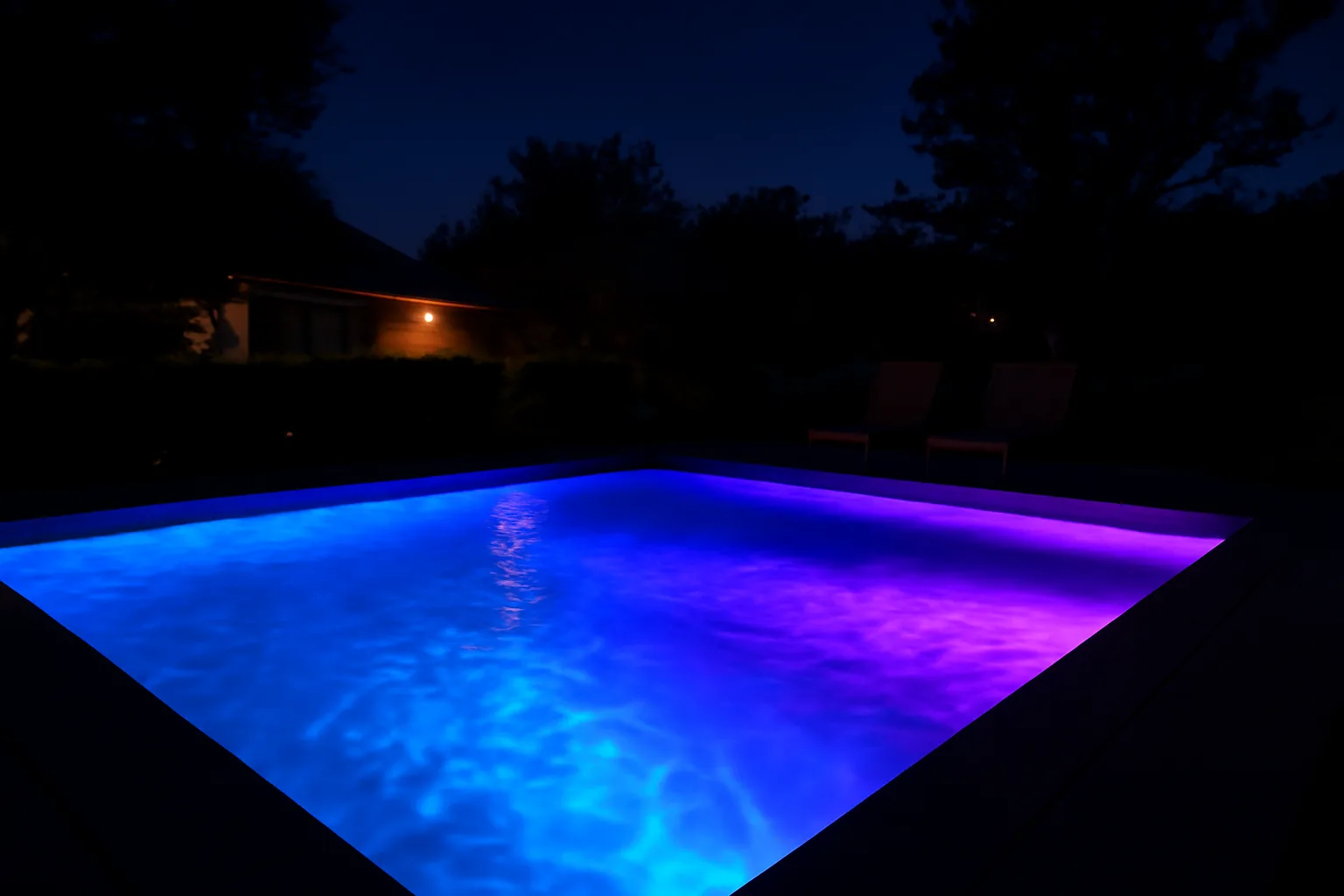
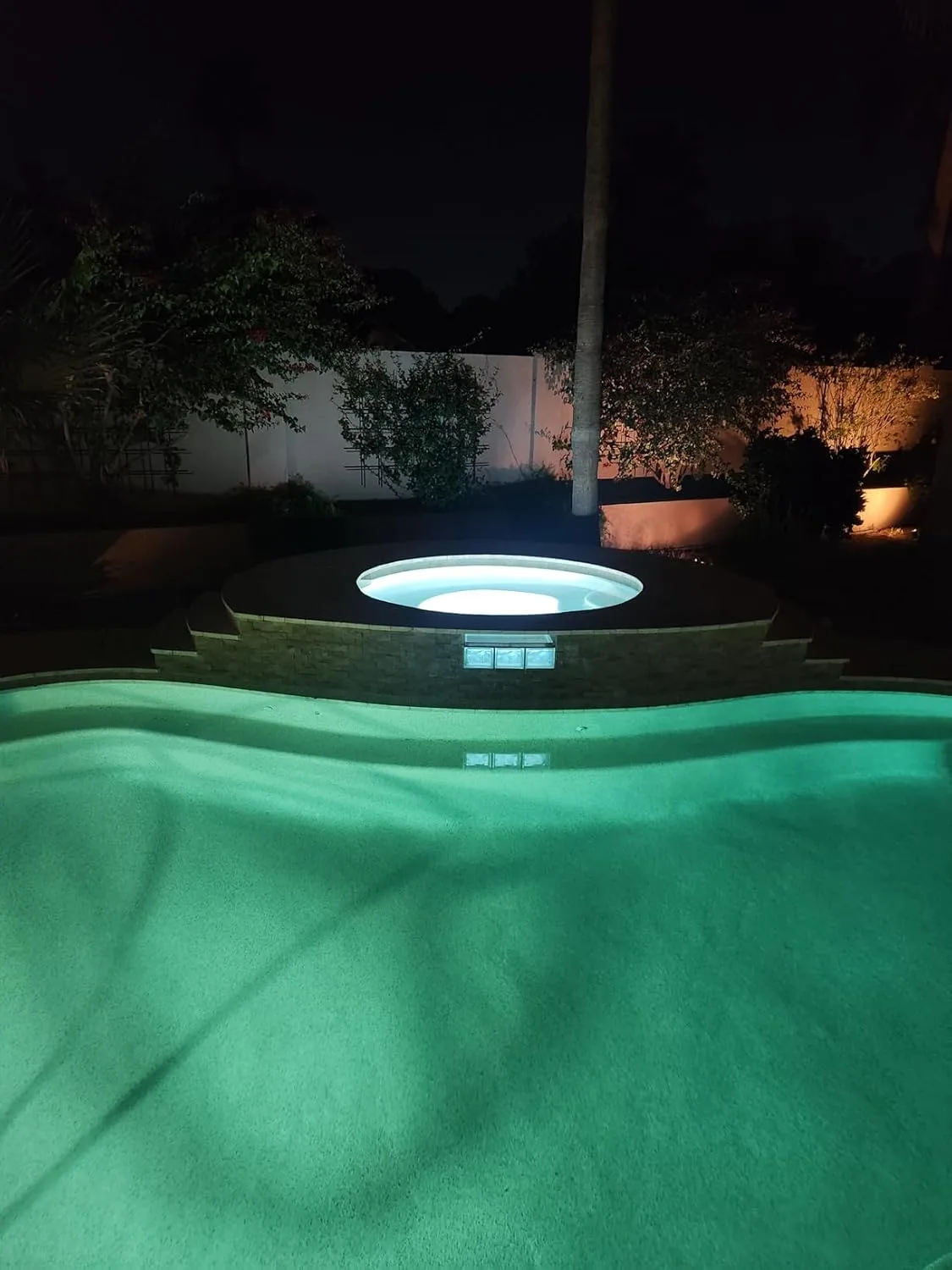
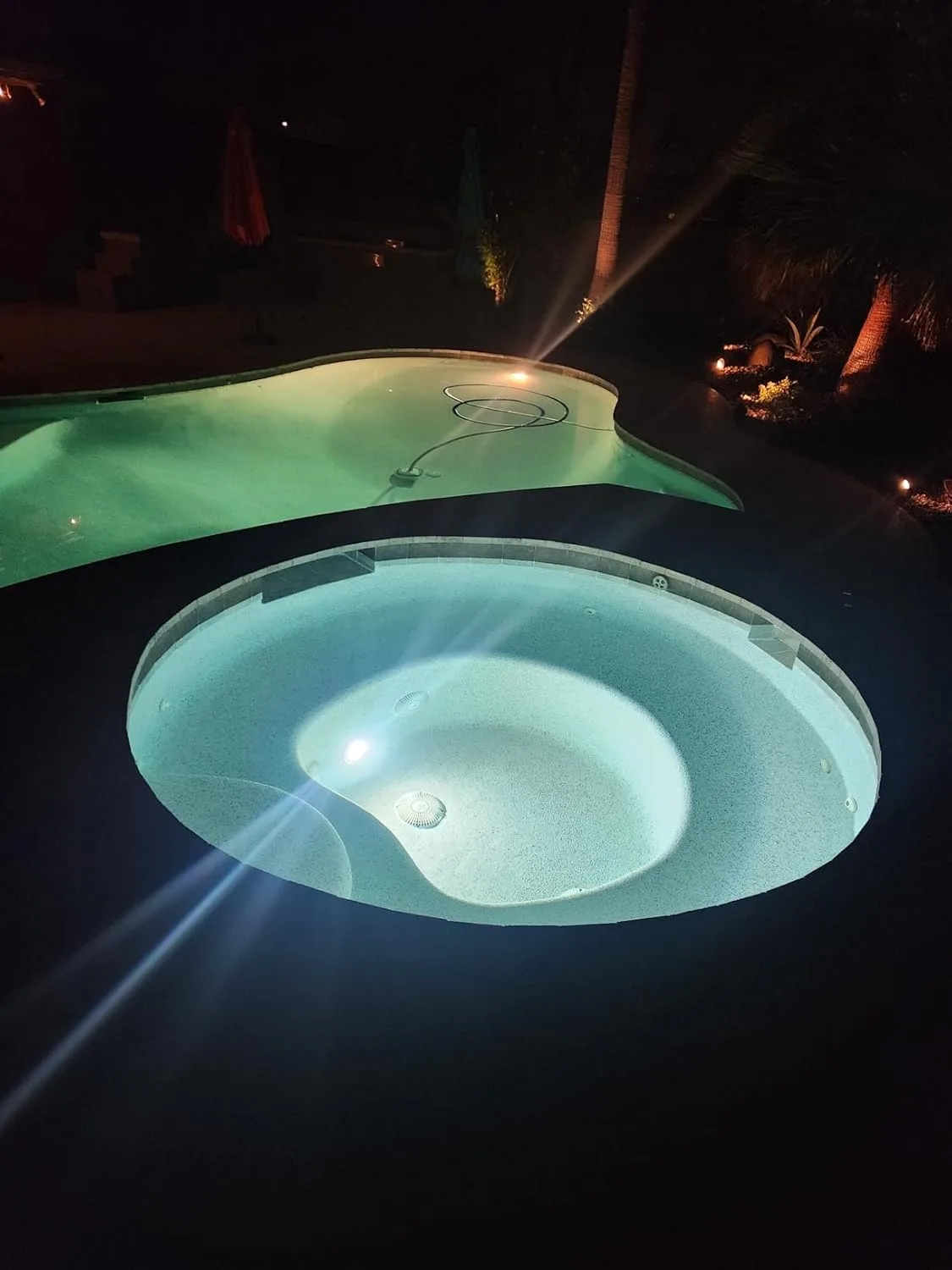
You’ll encounter two conflicting claims about pool lighting online: one camp insists LEDs drain your wallet with installation costs, while another swears they pay for themselves in three months. Neither is accurate. The truth is far simpler — LEDs cost less to operate, last exponentially longer, and eliminate the thermal hazards that made incandescent fixtures genuinely dangerous. The first time a guest at a friend’s backyard pool witnessed the pool glowing after dark, she paused and remarked, “That looks like it belongs in a luxury magazine spread.” I had just finished replacing two aging incandescent units with contemporary underwater LED pool lights in my own pool. That observation stuck with me — until then, I held reservations about whether a lighting overhaul could deliver tangible benefits in practical conditions. If you’ve been evaluating an underwater LED pool lights review and questioning whether the expense justifies the return, I’m prepared to deliver an evidence-based perspective grounded in my own hands-on experience as a pool owner. Verdict: unquestionably worthwhile — provided you select the appropriate fixture for your particular installation.
My name is Nadia Caldwell. I am a pool owner who got obsessed with water chemistry. Over the past ten years I’ve looked at a lot of pools, mine and other people’s scattered across the American Southwest — ranging from compact 20,000-gallon community facilities to expansive resort aquatic centers. I’ve mounted, evaluated, and serviced considerably more underwater light assemblies than I can readily recount. This article addresses my selection criteria when assessing underwater pool lighting options, what separates a dependable system from a problematic one, and the particular model I repeatedly suggest to the people I help in the current market.
Why Incandescent Pool Lights Belong in the Past
Incandescent bulbs operate at extreme temperatures, consume staggering quantities of electricity, and deteriorate with frustrating regularity. At a typical HOA account, I was once routinely allocating approximately $80–$120 annually per fixture toward replacement bulbs alone. That calculation excludes technician time. A standard incandescent pool light demands 300–500 watts of power. An equivalent LED consumes 35 watts maximum. Across a typical swimming season — approximately 180 evenings of operation in the greater Phoenix region — that consumption differential translates to substantial savings on monthly power statements.
Thermal concerns represent an additional consideration that most property managers overlook. Incandescent fixtures generate sufficient heat that submersion before energizing is mandatory. Should someone bypass this protocol — and inevitably, someone will — the viewing lens fractures. During my early career at a Scottsdale resort, I experienced this scenario firsthand. A recently installed $140 unit cracked when activated while exposed to air. The seal degraded, moisture penetrated the housing, and the GFCI breaker tripped repeatedly throughout the entire swimming period. Correcting that single oversight consumed more resources than the original fixture expenditure.
LED systems eliminate this thermal vulnerability. They operate at reduced temperatures. Pre-submersion energization remains inadvisable for any submerged fixture, yet the probability of lens fracturing diminishes substantially. From a professional standpoint, LEDs represent the only defensible option for any pool I have a say in.
Critical Parameters for Evaluating Underwater LED Pool Lights
Conventional reviews concentrate on luminosity levels and wireless switching mechanisms. While these aspects carry significance, they constitute secondary considerations within my assessment framework. The following elements command my attention initially as a credentialed pool systems technician.
Wet Niche Configuration Requirements
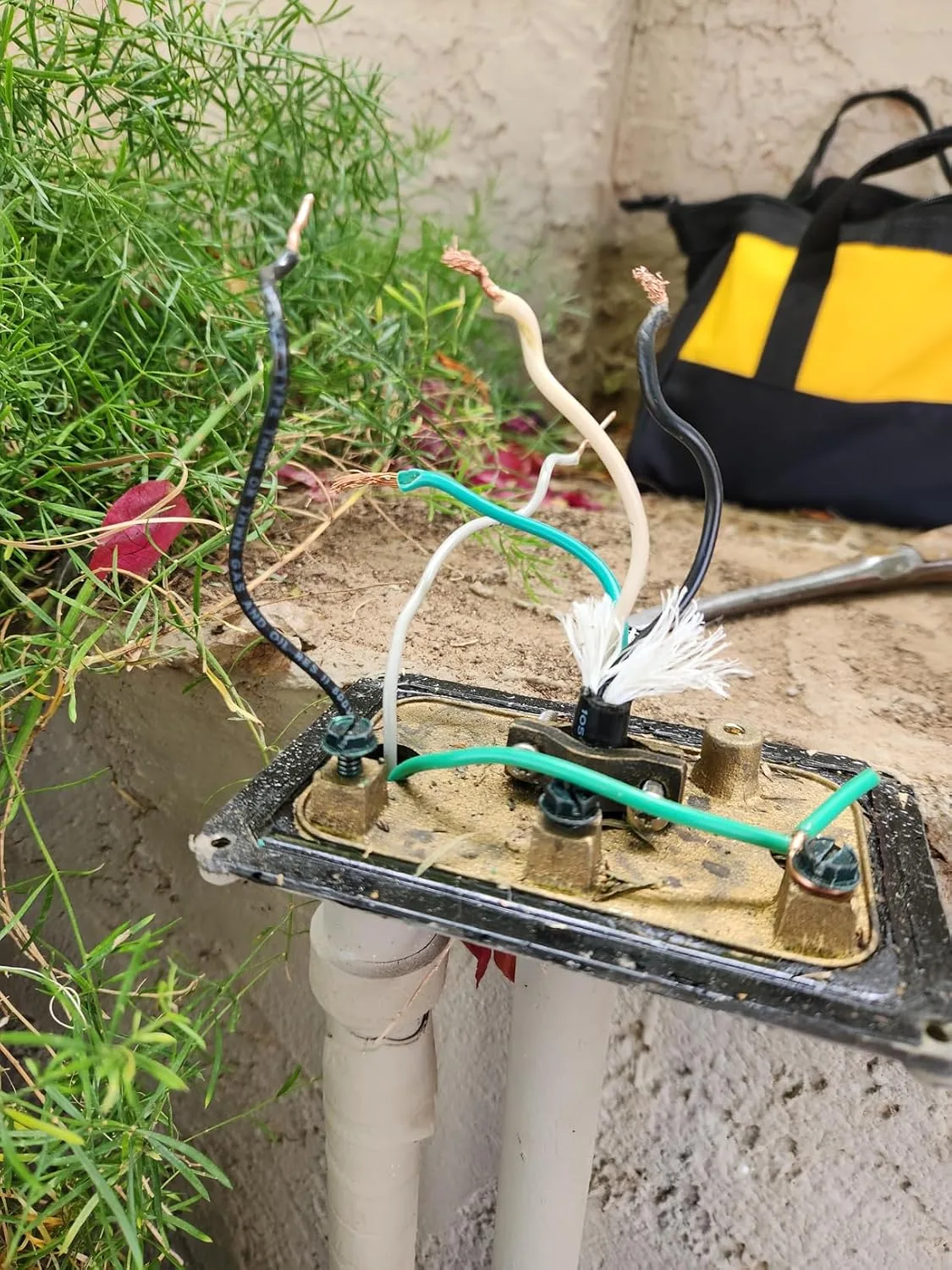
Your pool structure incorporates a recessed opening in the structural wall termed a wet niche. Lighting equipment must conform precisely to that cavity geometry. The predominant dimensions for residential and commercial installations are 5-inch and 10-inch diameters. Purchasing an incorrectly dimensioned unit generates serious complications — moisture infiltration surrounding the niche perimeter, seal degradation, and potential electrical dangers. Determine your existing cavity’s measurement before purchase. Estimation invites problems.
Electrical Voltage Selection: 12V or 120V Options
This determination carries life-safety ramifications. The National Electrical Code (NEC Article 680) establishes requirements governing all underwater electrical apparatus. Low-voltage 12V alternating current configurations necessitate a transformer for voltage reduction and generally present fewer hazards during retrofit operations. Line-voltage 120V equipment connects straightforwardly into standard circuits — yet demands documented connection to the pool’s grounding conductor network. Both standards satisfy electrical codes when properly configured. However, 12V stands as my preferred recommendation for existing installations where grounding documentation may be incomplete or unavailable.
Wire Length and Material Composition of Housing
NEC 680.23 mandates that the fixture’s electrical connector reach the outlet junction without intermediate connections — and that outlet must sit minimum 8 inches above the water surface line. Residential properties customarily require 30-foot minimum lengths. Larger systems typically demand 50-foot runs. Stainless steel construction for the housing becomes mandatory in my experience. Thermoplastic casings deteriorate through prolonged chemical exposure. Stainless maintains structural integrity in chlorinated and saltwater conditions without distortion or fastener corrosion.
Converting from Incandescent to a Modern 12V LED System
Operating obsolete incandescent fixtures requires managing disappointment repeatedly: inadequate illumination output, perpetual bulb expenditures, and an aging transformer approaching obsolescence. Transitioning to a contemporary 12V LED configuration delivers the transformation you’re seeking — with reduced operational noise, superior light quality, and genuine affordability when calculating energy expenditures.
Advantages of this approach
- The 12V alternating current system operates within your existing transformer setup, eliminating the necessity for comprehensive electrical reconfiguration—equipment substitution accomplishes the entire conversion.
- Brightness surpasses the older incandescent technology significantly, maintaining unwavering luminosity with zero discoloration or progressive dimming that plagued previous models.
- Power consumption reduction became quantifiable during my initial billing cycle — switching to LED generates measurable utility savings when operating nightly illumination.
Considerations and limitations
- Completing this work demands familiarity with aquatic electrical systems and transformer operation—engaging a licensed electrical contractor remains necessary if these subjects fall beyond your skillset, requiring additional labor expenses.
- The 12V alternating current model restricts lighting flexibility when compared against premium multicolor LED alternatives, necessitating investment in costlier systems should dynamic color shifting feature prominently in your preferences.
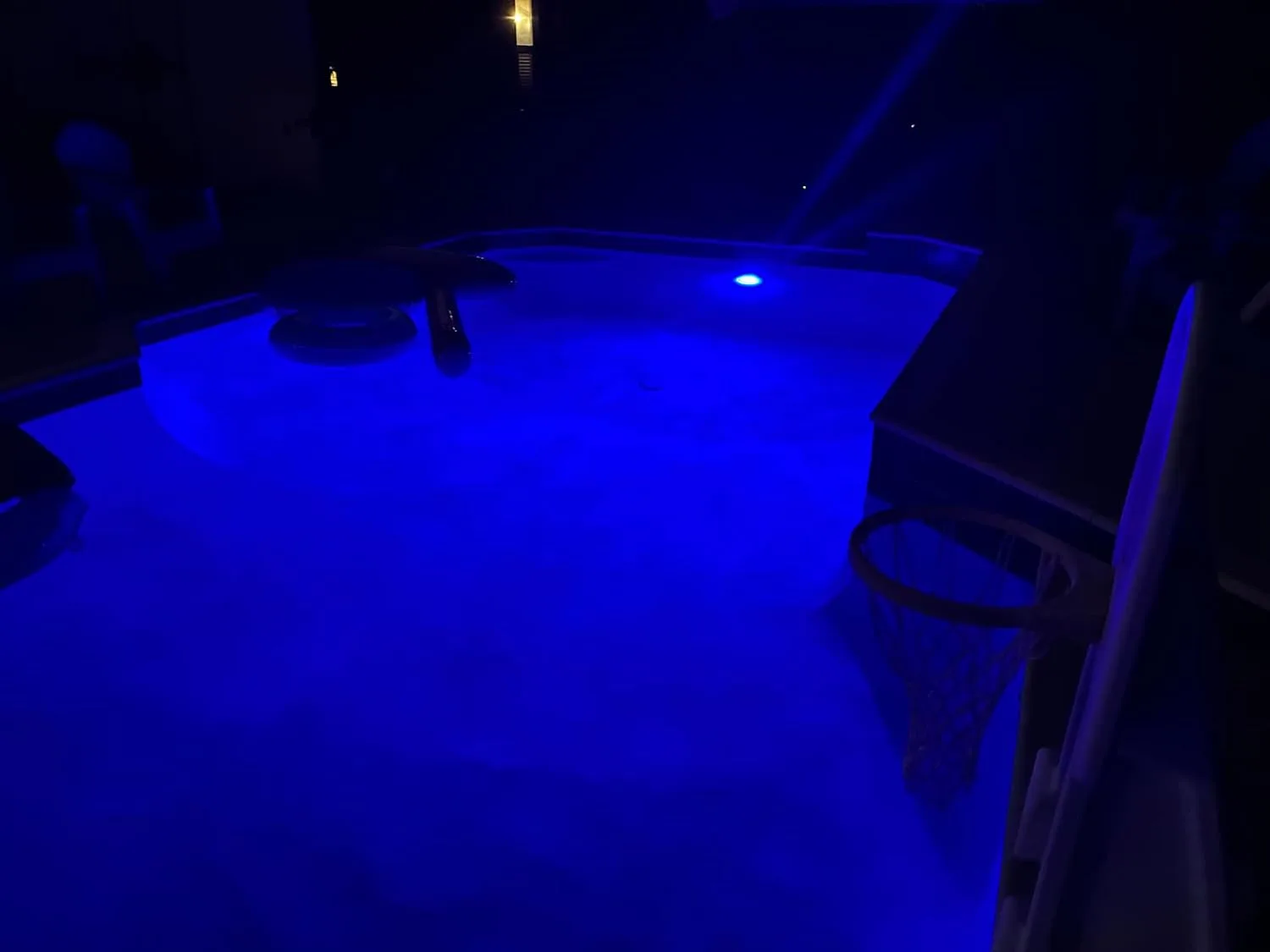
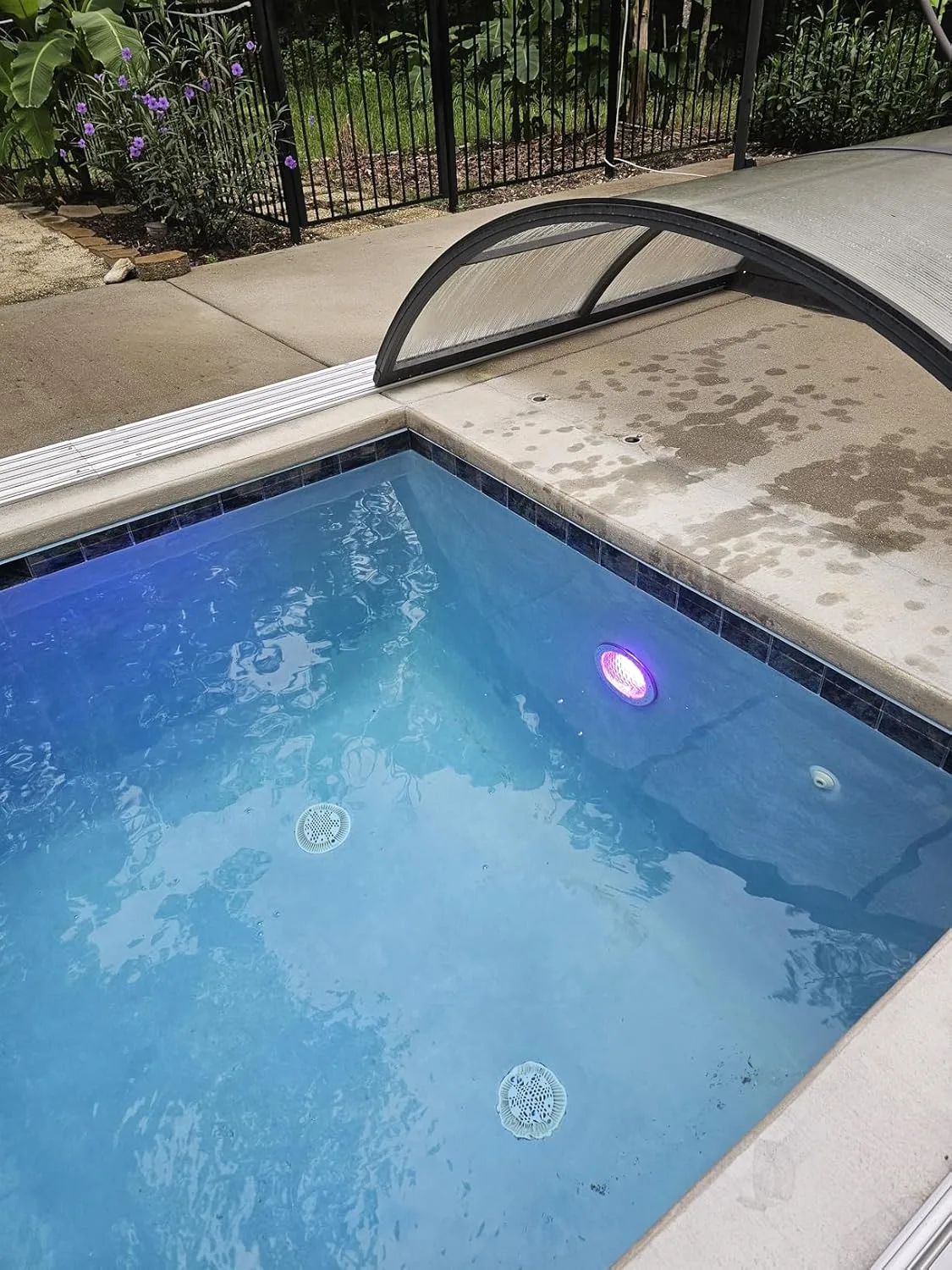
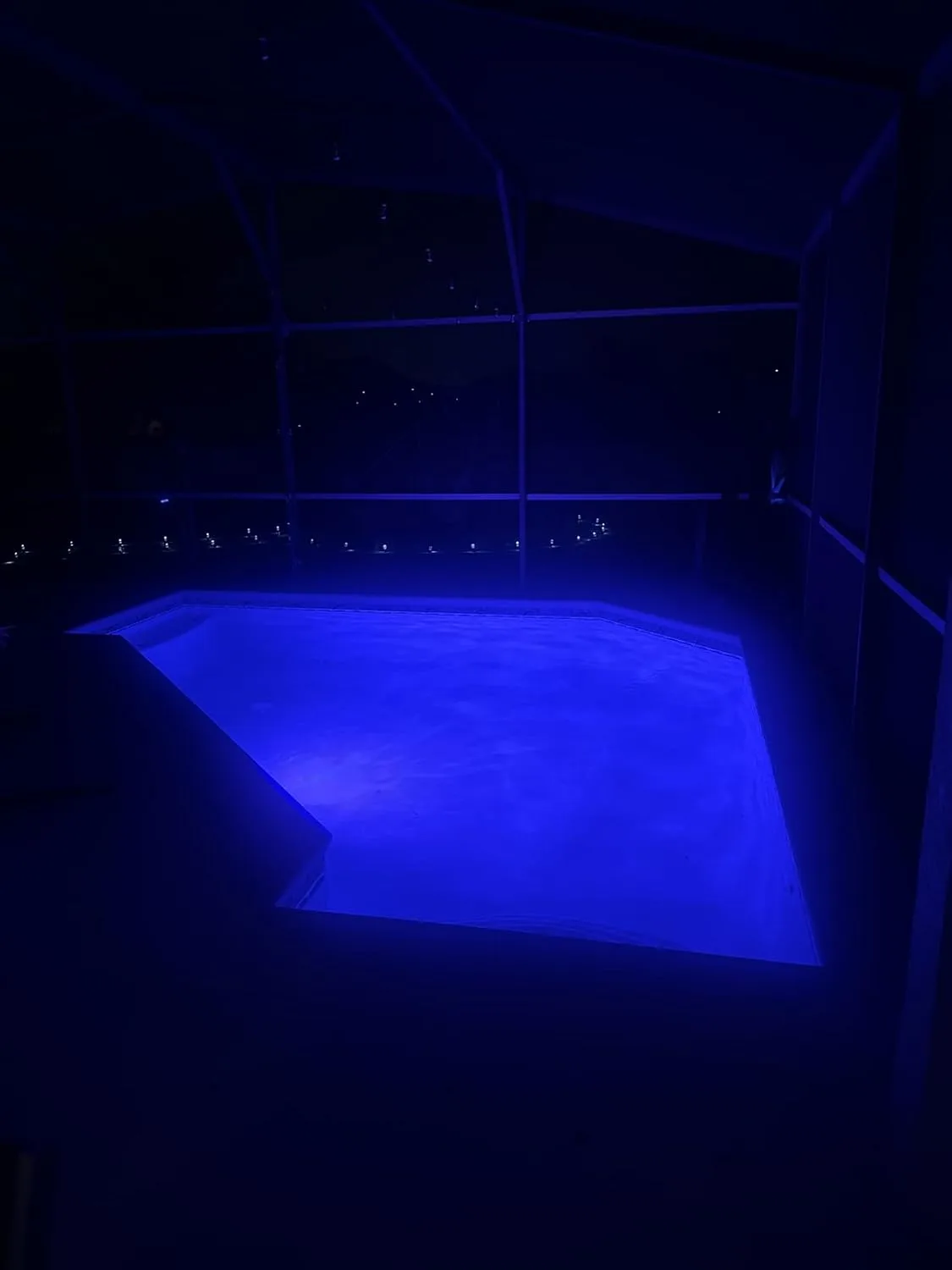
I’ll admit—I hesitated for months, convinced that LED upgrades were either overkill or wouldn’t fit my existing setup without a full overhaul. Then I looked at the 12V AC spec sheet and realized it was literally a bolt-in replacement. Check the SURAIELEC 12V AC Pool Light for Inground Pools if your setup is running an older transformer system.
About This Article
Written by Nadia Caldwell. Backyard pool owner and water chemistry nerd. After years of chasing down cloudy water and algae blooms on my own pool and my neighbors', I now write about pool maintenance, water treatment, and everything chlorine-related for everyday pool owners. More about this site.
Scope and limits. Nadia is a pool owner who reads chemistry, not a certified pool professional. Follow label directions on every chemical, never mix them, and use a certified pool operator for equipment and sanitizer system work.
Verify this against a primary source
Specifics change, and your situation may differ from the one described here. These are the authorities worth checking directly:
- World Health Organization — guidelines for safe recreational water environments
- Pool & Hot Tub Alliance — water chemistry and pool operation standards