Skipping a vacuum step in above-ground pool maintenance leads to algae blooms faster than you’d expect — and once spores take hold in that confined water volume, chemistry alone won’t save you. Over years of poking around pools across Arizona and Nevada, I watched pools deteriorate in 48 hours flat when sediment settled and decomposed on the floor. Proper vacuuming isn’t optional; it’s the difference between crystal water and a costly reset.
Above-ground pools demand vacuum equipment engineered specifically for their constraints. Flexible sidewalls bend under pressure. Liners run thinner — typically 20 to 30 mil rather than the 60 mil standard in concrete or vinyl inground construction. Lower gallonage concentrates contaminants faster, meaning debris that would be cosmetic in a 40,000-gallon resort basin becomes a water-quality crisis in a 5,000-gallon backyard setup. A vacuum built for commercial depth and capacity can puncture or scrape a delicate above-ground liner if suction intensity isn’t matched to the vessel itself.
Across the years, I’ve operated and field-tested more than 40 different pool vacuums — from $89 cordless stick models to $1,200 robotic units with app controls. This post documents which models performed without failure in real conditions, which ones disappointed me under pressure, and precisely which units I now hand to the people I help with genuine confidence.
What Makes a Pool Vacuum Right for Above-Ground Pools
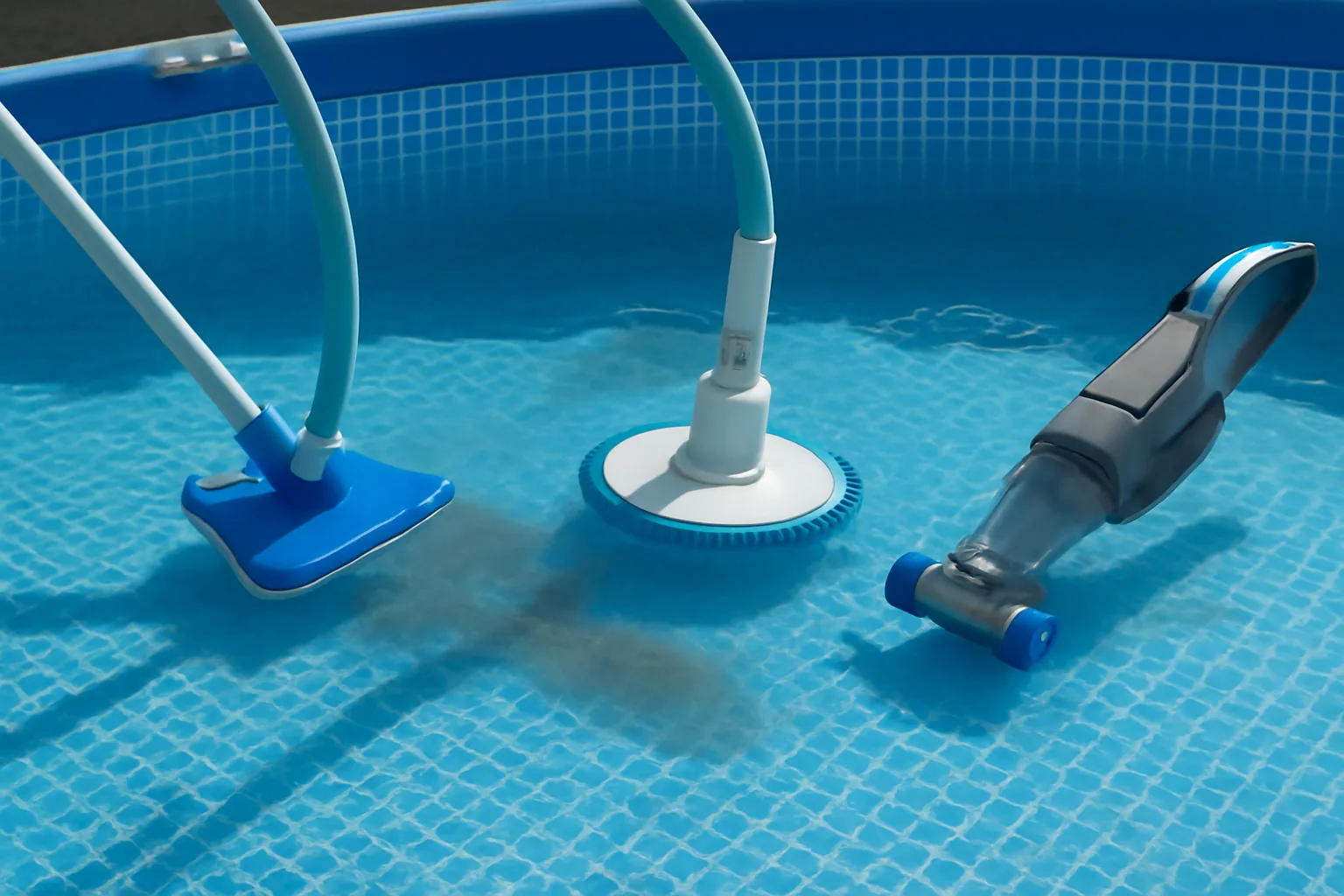
Not all pool vacuums carry specifications suited to above-ground operation. Suction intensity, head geometry, pole diameter compatibility, and material safety rank highest in my evaluation process. Standard suction-side vacuums tied into your skimmer work adequately for routine debris removal — yet they demand your circulation system running, they strain when your filter media approaches end-of-life, and they perform poorly in corners and along perimeter edges. For the compact footprints of most above-ground pools, this approach creates unnecessary complexity.
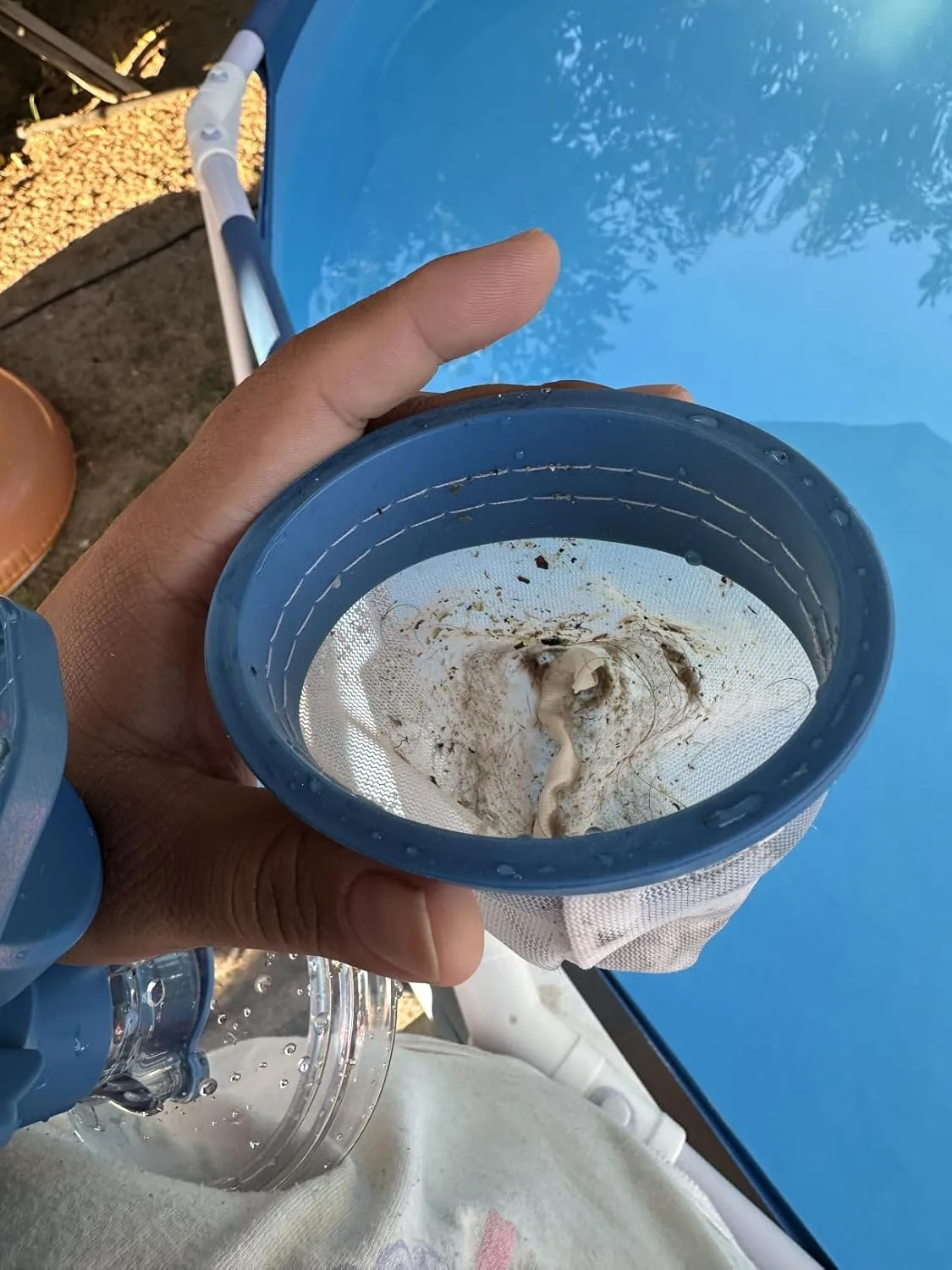
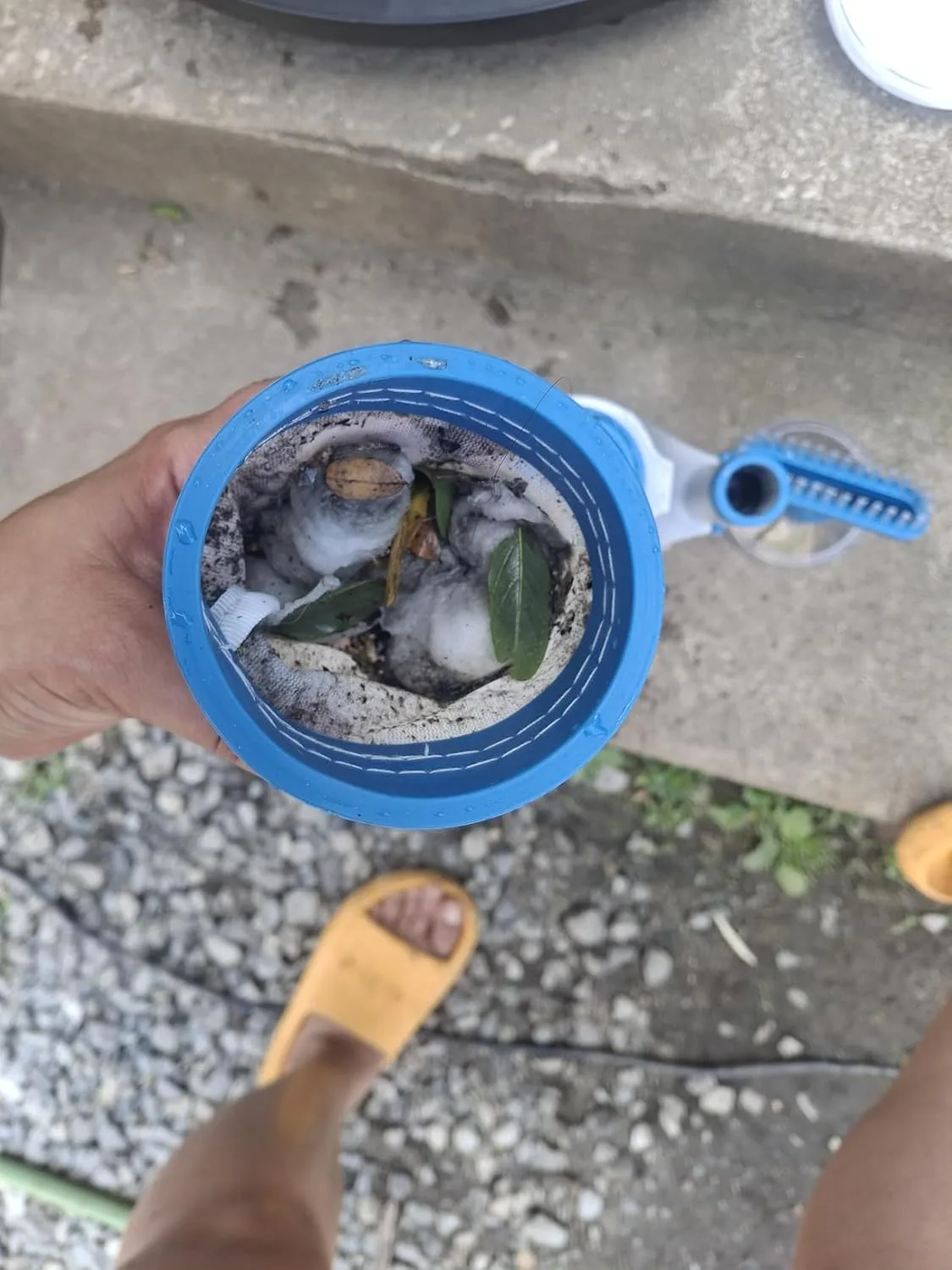
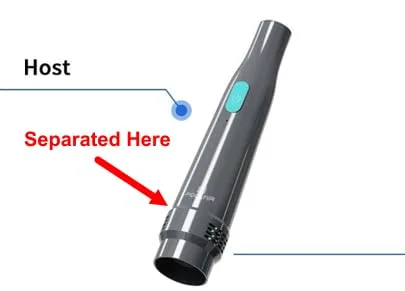
Cordless handheld vacuums have fundamentally shifted what’s possible for above-ground pool owners. They operate independently, meaning collected sediment and sand never enter your filtration loop. Instead, debris deposits into a cartridge or mesh bag mounted directly on the unit. That isolation has concrete benefits: your sand filter avoids premature clogging, your cartridge filter extends its service window, and you can target-clean after storms without firing up your main pump and running a full circulation cycle.
Liner damage from inferior vacuum design is a documented problem that most pool retailers downplay. I documented scuffing — and in one incident, an actual pinhole leak — where a rigid plastic head scraped the seam of a 52-inch above-ground steel-wall unit. Always prioritize soft-bristle brush heads or elastomer-wrapped edges built specifically for above-ground vinyl contact.
Key Specs to Compare Before You Buy
My purchase recommendation process hinges on a consistent short framework. These are the specifications I cross-reference on every model under consideration:
- Runtime duration: Below 45 minutes becomes limiting for pools wider than 12 feet. I target 60 to 90 minutes as baseline acceptable.
- Suction flow capacity: Expressed in gallons per minute (GPM). The 10–15 GPM range fits above-ground specs without risking liner compromise.
- Pole length standard: Most 6-foot poles handle 15- to 18-foot round pools without extension cartridges.
- Interchangeable head options: Models offering two heads — flat-surface variant and curved-wall variant — deliver coverage flexibility that single-head units can’t match.
- Onboard debris container size: Compact filter cups overflow frequently. Prioritize units with fine-mesh capture down to 50 microns or finer particle filtration.
- Battery recharge window: Units requiring 4 or more hours per 60-minute usage window become problematic on heavy maintenance schedules.
I always say to verify the IP (Ingress Protection) classification on any cordless handheld vacuum candidate. IPX8-rated units withstand full submersion safely. Anything graded below IPX7 raises red flags — this reflects an electrical safety boundary, not merely performance degradation, since you’re controlling a powered device within a conductive liquid medium.
The Cordless Vacuum That Actually Fits in a Small Above-Ground Pool
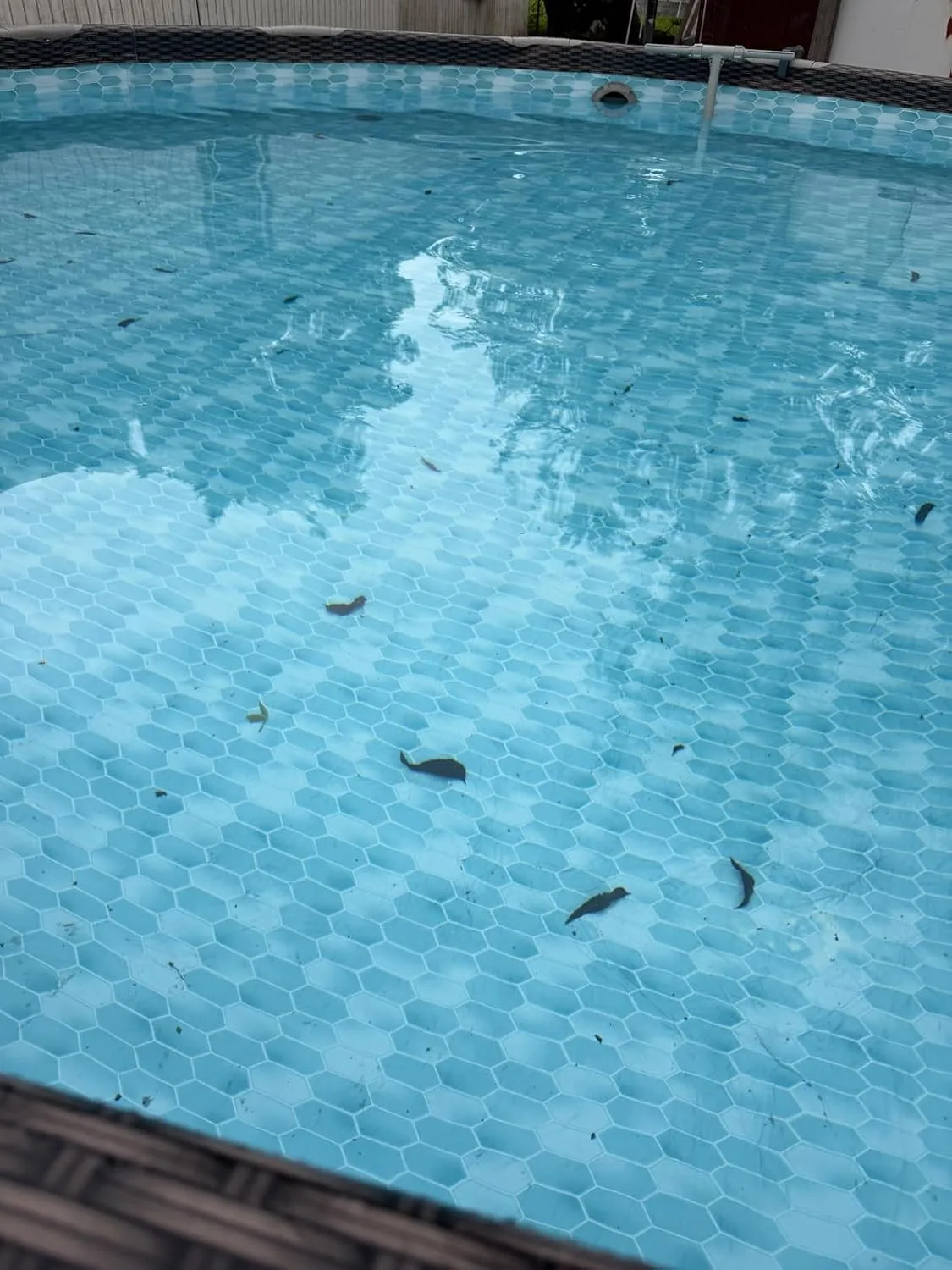
That frustrating moment when an HOA resident battled an industrial-sized canister vacuum in a 15-foot Intex pool taught me something crucial: the wrong equipment scale undermines even committed effort. Smaller above-ground installations — especially the 15-foot Intex category and anything beneath — require proportionally matched apparatus, not shrunken versions of commercial in-ground machinery.
What works
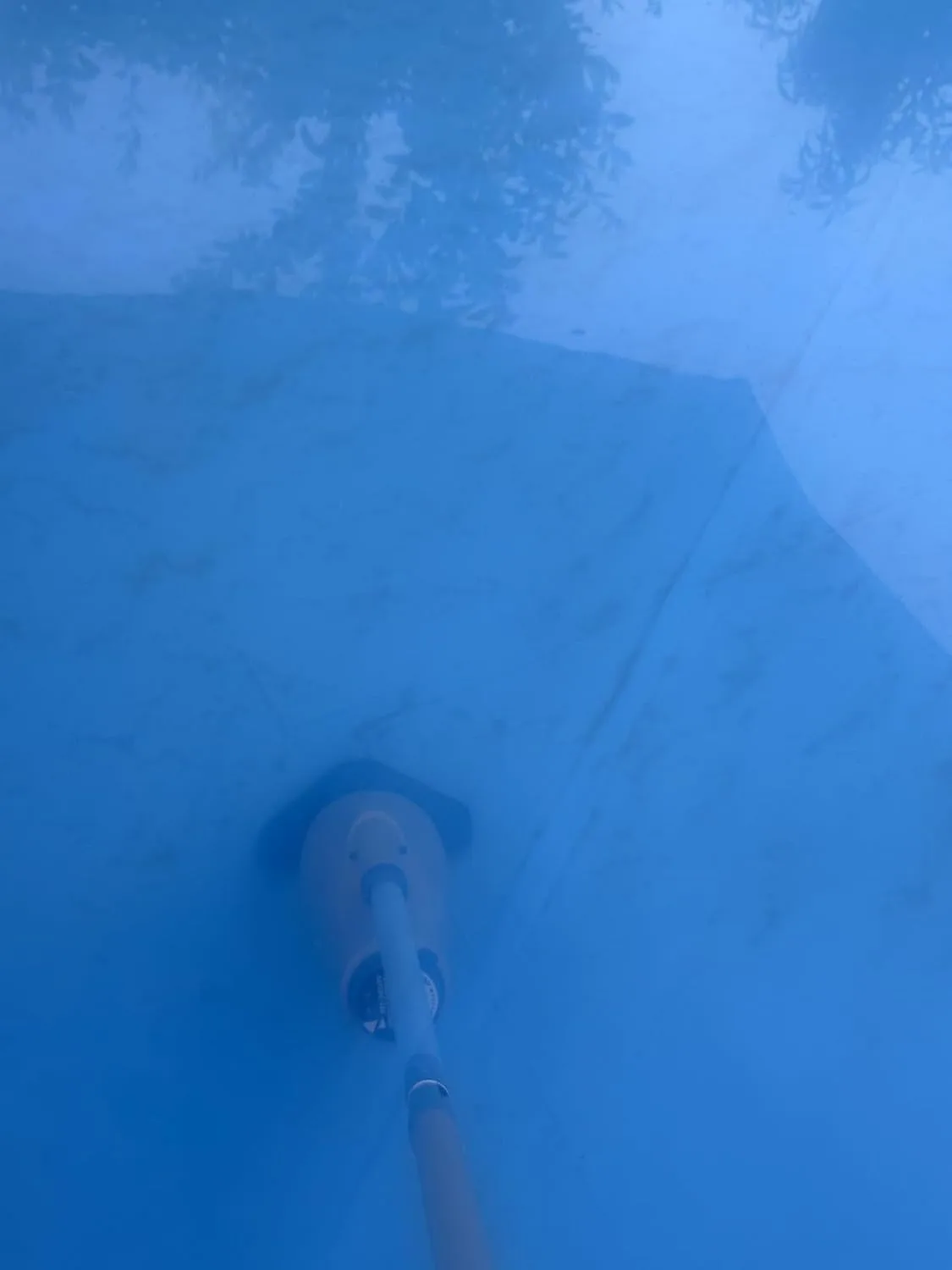
- The streamlined brush head and hose path avoid binding in confined footprints — it maintains floor contact without the buoyancy-related drift that sidelined the original scenario, delivering predictable coverage patterns across the bottom surface.
- Battery-powered independence eliminates activation dependencies on pump systems or hardwired outlets; overnight charging prepares it for sub-20-minute maintenance intervals on average above-ground pools.
- Solo execution from beginning to completion—no hose-reel choreography, no surface adjustments from poolside position, no equipment mass resistance comparable to the dead weight of saturated equipment.
What doesn’t
- Charge capacity restricts operational window to 20–30 minutes per cycle in standard suction mode, necessitating battery replenishment between cleaning phases in larger or debris-heavy pools.
- Engineered for fine particulates rather than bulk debris (seed pods, fallen branches, gravel-sized stones)—advance skimming and manual brushing become necessary prep phases that some owners neglect.
I was skeptical that a handheld cordless unit could truly replace the traditional setup until I timed one full cycle—the simplicity and speed almost felt like I was shortcutting something important. KOKIDO Cordless Handheld Pool Vacuum
About This Article
Written by Nadia Caldwell. Backyard pool owner and water chemistry nerd. After years of chasing down cloudy water and algae blooms on my own pool and my neighbors', I now write about pool maintenance, water treatment, and everything chlorine-related for everyday pool owners. More about this site.
Scope and limits. Nadia is a pool owner who reads chemistry, not a certified pool professional. Follow label directions on every chemical, never mix them, and use a certified pool operator for equipment and sanitizer system work.
Verify this against a primary source
Specifics change, and your situation may differ from the one described here. These are the authorities worth checking directly:
- World Health Organization — guidelines for safe recreational water environments
- Pool & Hot Tub Alliance — water chemistry and pool operation standards