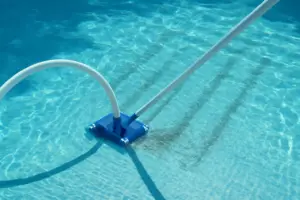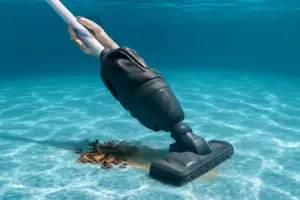
Every Saturday morning for three summers straight, I watched the same ritual play out at the HOA community pool I managed in Scottsdale — and honestly, I lived it myself on my days managing smaller residential accounts. Connect the vacuum head to the telescoping pole. Attach the hose. Prime it. Slowly drag it across every square inch of the pool floor, trying not to stir up the debris cloud you just created. Then grab the wall brush and scrub the waterline. Then clean the pump basket because you just sent a weekend’s worth of debris through the system. Then coil the hose, break down the pole, and stow everything. By the time you’re done, it’s noon. The weekend is half gone. And next Saturday? You get to do it all over again. I’ve managed pools for resorts with 10,000-square-foot lagoon pools and HOA communities with back-to-back weekend birthday parties — so when I tell you the manual vacuum grind is one of the most time-consuming, energy-draining parts of pool ownership, I mean it with every bone in my body. The good news is there’s a smarter way, and finding the best robotic pool cleaner for pool floor maintenance completely changed how I approach weekly upkeep.
Why This Problem Is Worse Than You Think
Here’s what most pool owners don’t realize: the debris sitting on your pool floor isn’t just an eyesore. It’s actively working against you. When organic material — leaves, insects, sunscreen residue, algae spores — sits on the pool floor and walls for more than 24 to 48 hours, it begins to break down and consume your free chlorine. I’ve tested this firsthand with water samples taken before and after a weekend of pool neglect. A pool that should hold a comfortable 2–3 ppm free chlorine reading can drop to under 1 ppm within 48 hours of heavy organic loading on the floor. That’s the threshold where algae starts winning.
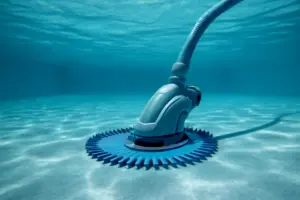
And it gets worse. If you’re using a suction-side manual vacuum — the kind that hooks into your skimmer — every vacuuming session sends a storm of fine particulate matter directly through your pump, past your impeller, and into your filter. Over time, that accelerates wear on your pump motor and clogs your filter media faster than normal backwash cycles can keep up with. I’ve seen pump impellers on commercial pools show damage consistent with fine debris abrasion after just two or three seasons of heavy manual vacuuming. Replacing a pool pump runs $400–$800 for residential equipment. That’s money nobody wants to spend.
Then there’s the waterline biofilm issue. That gray-green ring that forms at the waterline? It’s not just cosmetic. Biofilm is a structured bacterial community that anchors itself to pool surfaces and becomes increasingly resistant to sanitizers over time. Studies on recreational water facilities have documented biofilm chlorine demand — meaning the biofilm itself consumes free chlorine before it can do its job in the water column. If you’re not scrubbing that line regularly, you’re fighting a chemical battle you can’t win without throwing extra sanitizer at the problem. More chemical usage means higher costs — chlorine tabs run $80–$150 per season for an average 15,000-gallon pool, and improper chemistry can push that figure significantly higher.
The time math is brutal too. At one hour per week of manual vacuuming and brushing, that’s 52 hours per year. At a modest $25/hour valuation of your personal time, you’re “spending” $1,300 annually on pool cleaning labor — not counting supplies. A robotic cleaner starts looking a lot less expensive when you frame it that way.
What to Look For in the Best Robotic Pool Cleaner for Pool Floor and Wall Coverage
Not all robotic pool cleaners are created equal, and the price tiers exist for real reasons. Let me break down what actually matters so you’re not buying a $400 gadget that does half the job.
Independent Power and Onboard Filtration
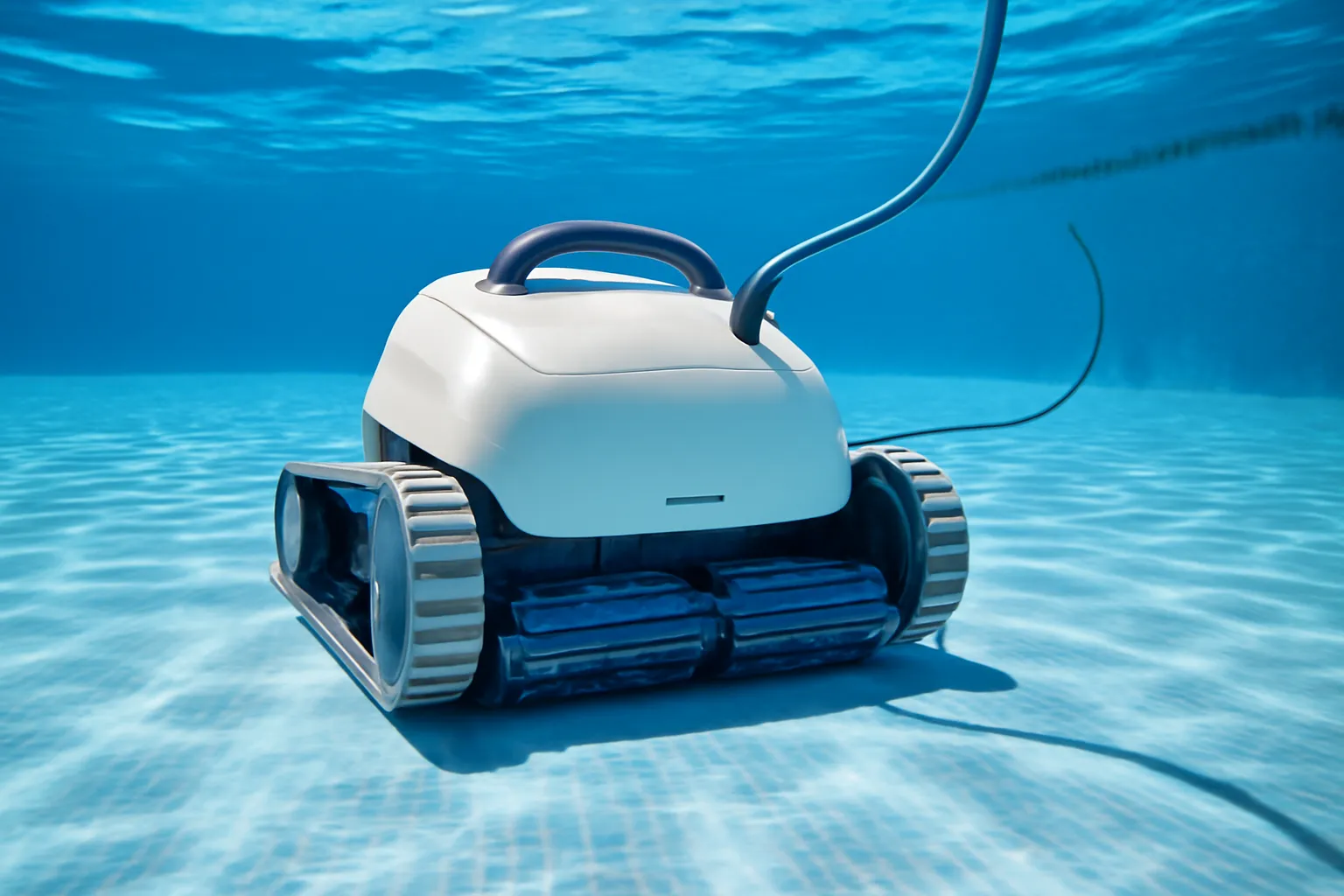
A true robotic pool cleaner runs on its own electric motor and power supply — it plugs into a standard outlet via a low-voltage transformer and draws around 150–200 watts. Compare that to running your pool pump at 1,500–2,500 watts, and you’re looking at roughly 90% less energy consumption per cleaning cycle. Critically, because the robot filters debris into its own onboard canister, it never sends particulate through your pool’s plumbing. Your pump and filter stay cleaner, longer.
Wall-Climbing Ability and Brush Quality
This is the separator between budget robots and mid-to-premium models. A floor-only robot leaves your walls and waterline untouched — which means the biofilm problem I described above continues unchecked. A robotic pool cleaner for floor and walls uses drive tracks or wheels with enough traction to climb vertical surfaces and reach the waterline. The brushes matter too: dual rotating brushes that actively scrub (rather than just agitate) make a measurable difference on stubborn algae and calcium deposits.
Smart Navigation vs. Random Bounce
Budget robots navigate randomly — they bounce off walls and hope for full coverage. Mid-range and premium units use gyroscopic sensors or algorithmic path mapping to systematically cover the pool floor in overlapping passes, similar to how a robotic lawn mower works. For a pool over 800 square feet, systematic navigation is worth paying for. Random navigation leaves gaps.
The Robotic Vacuum That Finally Broke My Saturday Morning Ritual
After years of manual vacuuming, I realized I was spending three hours every week on a task that could run on its own while I handled water chemistry and filter maintenance. Switching to a robotic cleaner meant reclaiming my weekend and actually enjoying the pool instead of maintaining it.
What works
- Runs completely unsupervised — I drop it in, set it on a schedule, and walk away. No more Saturday morning drama or tangled hoses.
- Picks up fine debris (silt, algae spores, dead skin cells) that manual vacuums stir up and redistribute, which actually helps keep water clearer longer.
- Works on both flat floors and slopes without you having to fight the hose weight — saves your back and your shoulders.
What doesn’t
- Doesn’t handle thick leaf piles or heavy debris storms — you’ll still need to skim and pre-clean if you have overhanging trees.
- Initial learning curve on placement and brush settings; I had to experiment with dwell time to avoid clogging the filter basket on first use.
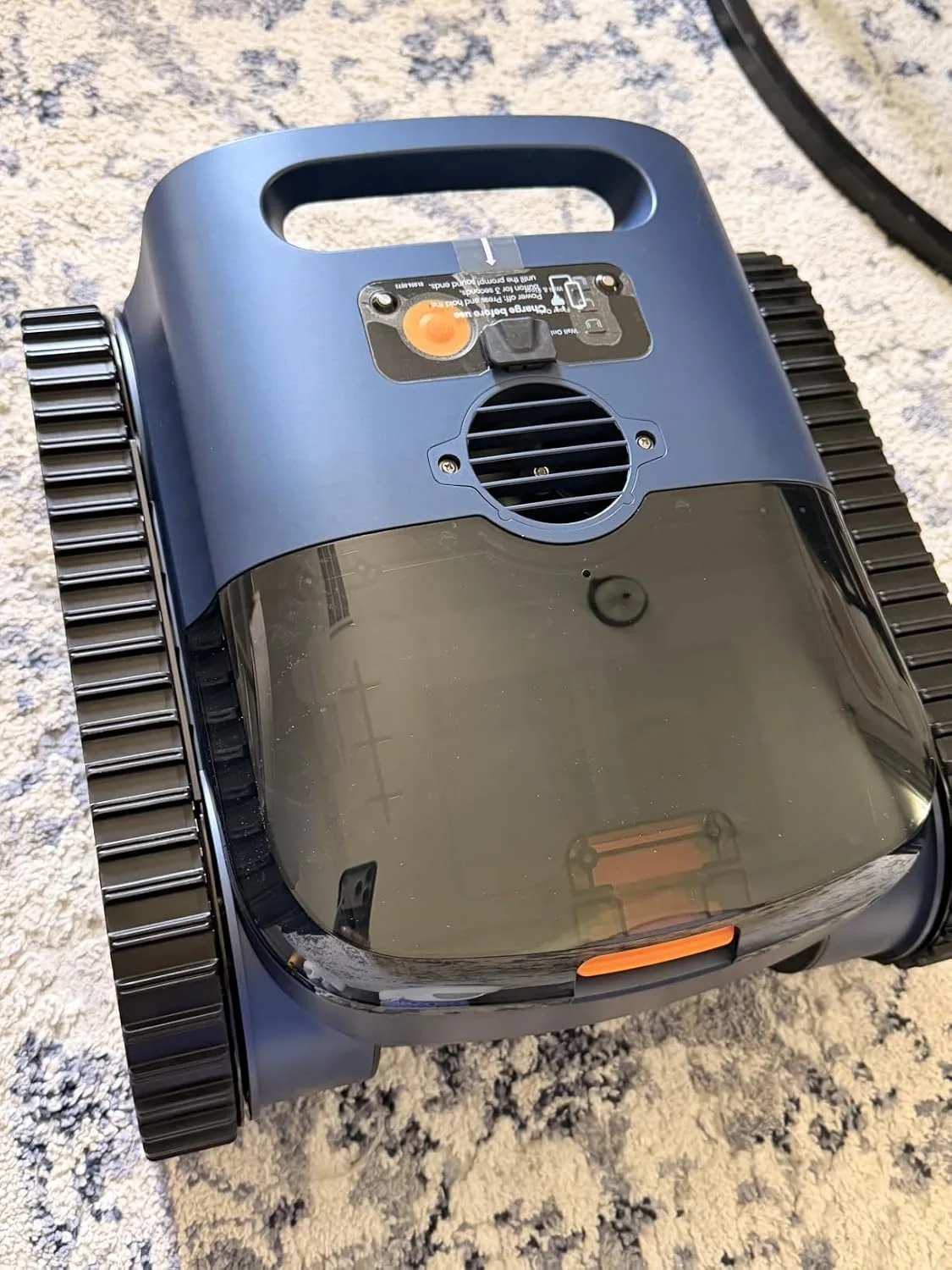
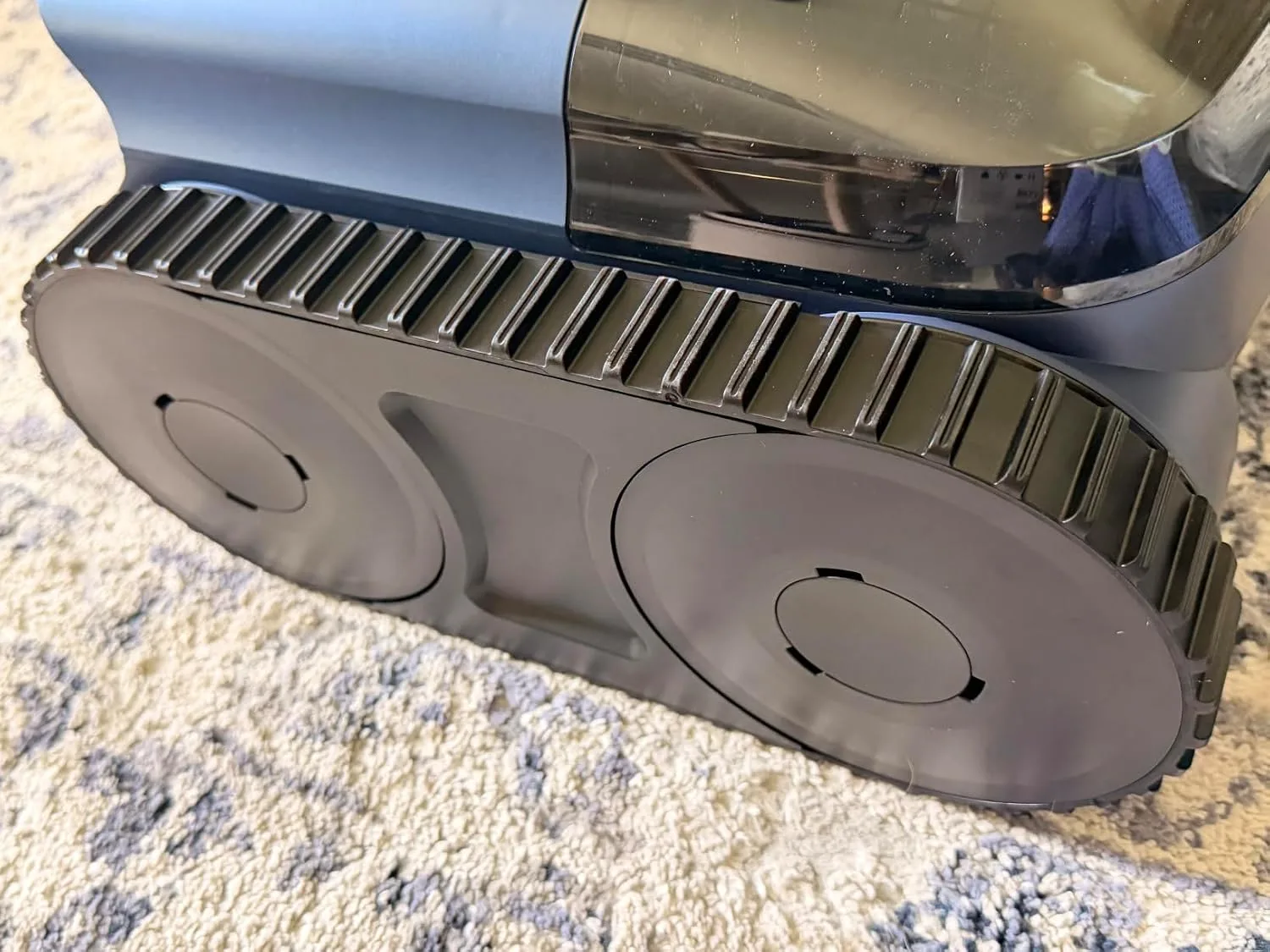
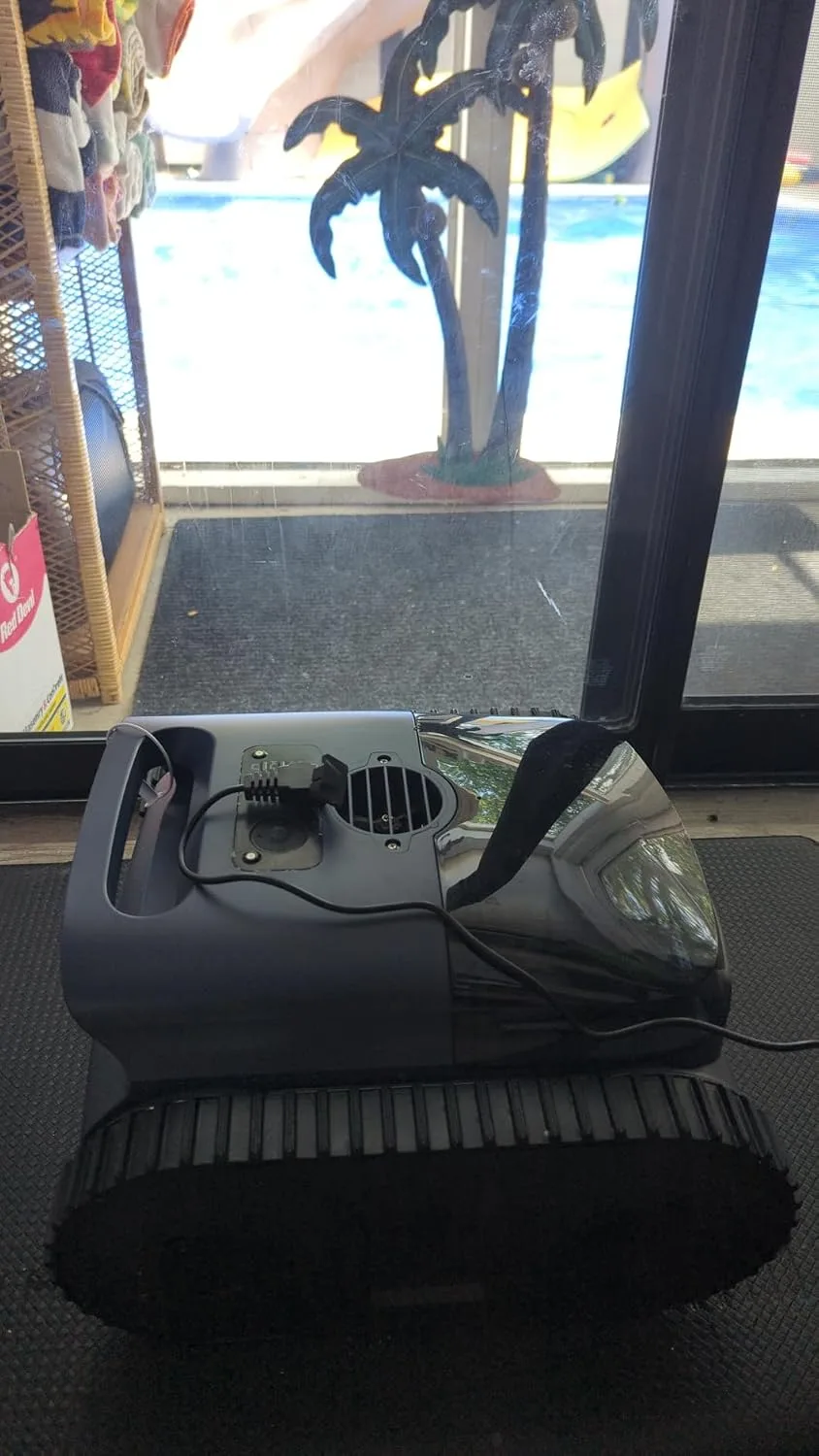
I’ll admit I was skeptical that a machine could match the thoroughness of hands-on work, especially when I saw it miss a corner on day one. But after adjusting the settings and letting it run overnight cycles, I realized it was actually *better* at consistency than I ever was. Check out the [2026 Release] Automatic Robotic Pool Vacuum for Inground & Above Ground Pools if you’re ready to reclaim your weekends like I did.
This post contains affiliate links. As an Amazon Associate, I earn from qualifying purchases at no extra cost to you.