What happens when a single safety measure fails? That’s the question that stopped haunting me the moment I learned to think in systems instead of checkboxes. Years back, a Scottsdale HOA woke up to a four-year-old on the pool deck at dawn—the child had found a weak gate latch, slipped through before anyone could stop them. Fortunately, a neighbor spotted the situation immediately. But that close call exposed the fatal flaw in single-layer thinking: one barrier, one failure point, one outcome nobody wants to contemplate. The architecture of real pool safety requires redundancy. No single device or fence stops determined curiosity or accident. Multiple overlapping protections do.
My work across Arizona and Nevada spas, resort facilities, and private residential communities has shown me every conceivable arrangement of fencing hardware, sensor technology, and mechanical covers. Some installations impressed me immediately—thoughtfully engineered, tested regularly, maintained obsessively. Others represented expensive false confidence: shiny equipment that looked capable but crumbled under the weight of real-world neglect or a single forgotten reset. The gulf between genuine protection and theatrical security hinges entirely on whether your safeguards operate as an integrated system or as isolated components.
What follows is a practical framework for assembling layered protection that delivers. I’ll disassemble each component, explain how they reinforce one another, identify the failure patterns I’ve encountered most frequently, and point you toward equipment I’ve personally evaluated in the field. Let’s proceed.
Redundancy Saves Lives: Why Codes Demand Layered Barriers
Federal statute addresses drain entrapment through the Virginia Graeme Baker legislation, but perimeter and access-point protections fall to state and municipal enforcement. Arizona’s Department of Health Services specifies that residential installations must incorporate a minimum of two barriers selected from this group: four-sided perimeter fencing, a motorized safety cover, hardwired alarms on all house-to-pool access points, or an in-water detection system. California Health and Safety Code 115922 mandates comparable redundancy before issuing a residential permit—choosing at least two from a five-option menu.
These mandates derive from epidemiology, not bureaucratic caution. The CDC identifies unintentional drowning as the primary cause of injury-related mortality among children ages 1–4. Research quantifies the protective benefit of layered intervention. A landmark 2003 analysis in Injury Prevention demonstrated that four-sided isolation fencing—the perimeter sealed from home access—reduced drowning incidence by 73 percent relative to three-sided configurations. Pairing that fence with functioning entry-point detection magnified the protective effect substantially. Each added layer extends response time. Extended response time translates to survival.
Picture it like automotive safety: seat restraints plus airbag deployment plus forward-collision warning. Each component contributes independently. Together, they constitute genuine protection when crisis arrives.
The Four Protective Layers: How They Work in Sequence
Most residential pools benefit from four distinct protective mechanisms. Your specific pool may not require all four, but every installation needs a bare minimum of two functioning simultaneously—and they must coordinate rather than operate in isolation.
Layer 1: Four-Sided Isolation Fencing
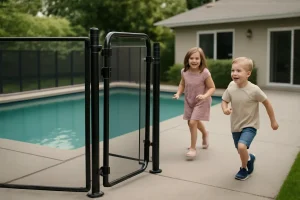
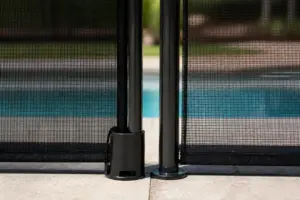
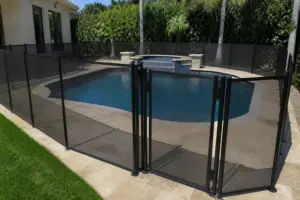
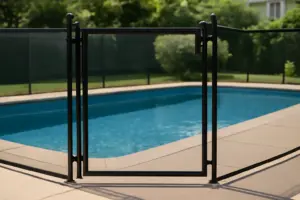
The foundation of poolside protection is perimeter fencing that fully isolates the water from dwelling access points. Code-compliant installation means 48 inches minimum vertical dimension with self-closing, self-latching gates positioned on the barrier’s interior. The latch mechanism itself must sit at minimum 54 inches from ground level, or be housed within an enclosure preventing reach-through manipulation by small hands. I’ve inspected fences that passed code inspection yet functioned poorly because latches operated with insufficient spring tension or were positioned where children could defeat them through persistence.
Conduct a gate-latch evaluation every month without exception. This single oversight causes more breaches than any other component. Replacing a worn latch costs between $15 and $40. No expenditure on pool safety delivers a better return on investment per dollar spent.
Layer 2: ASTM-Rated Safety Covers
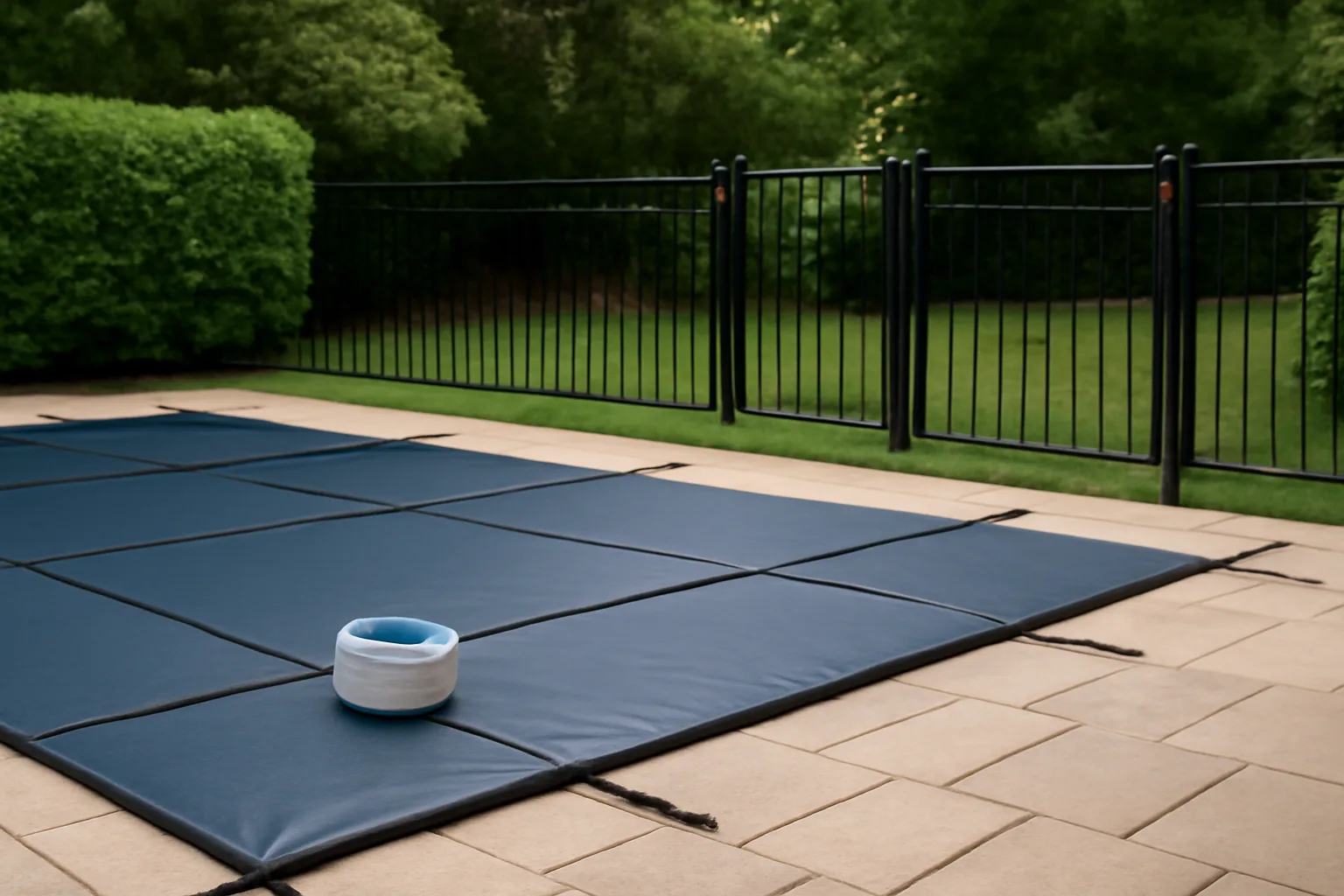
The distinction matters tremendously: a proper safety cover meets ASTM F1346 specifications, not a winter tarp or solar retention blanket. The standard demands the covering withstand distributed loads of 485 pounds across every 5-square-foot section—sufficient to prevent penetration if a child or adult steps directly onto the fabric. Power-operated systems from manufacturers like Coverstar or Latham range from $5,000 to $12,000 post-installation when accounting for pool dimensions and structural complexity. Hand-cranked or manual-operated covers span $1,500 to $4,000.
Here’s the uncomfortable reality I’ve had to communicate repeatedly: a cover provides zero protection on a Tuesday afternoon sitting in its open position. I’ve witnessed a $9,000 motorized system remain rolled away throughout daylight hours because homeowners found closure inconvenient between recreational sessions. Equipment gathering dust serves nobody. That’s precisely why you cannot depend on the cover alone—hence the critical importance of the subsequent layers functioning independently.
Layer 3: Alarms on All Access Boundaries
This represents the most underfunded layer in most residential setups. Every portal permitting movement from living space into the pool area demands detection: the sliding glass door, the side-yard gate, exterior entry doors, and yes—even the pet door if a toddler could theoretically pass through it. These systems buy you the seconds needed for intervention before water access becomes possible.
The most frequent failure pattern I observe involves alarm disengagement driven by occupant annoyance. Families silence alarms during entertaining, then forget reactivation. Others simply turn them off because the daily chirping becomes white noise. Combat this through equipment selection emphasizing user-friendliness, sufficient volume to register without becoming unbearable, and weatherproofing adequate for poolside humidity and temperature swings. Specific recommendations appear in the following section.
Layer 4: In-Water Sensors or Wearable Detection
Water-surface disturbance monitors such as Safety Turtle or Poolguard PGRM-2 units activate upon detecting wave signatures originating from the pool itself. Wristband-mounted sensors trigger alarms when the child’s arm submerges. These mechanisms occupy the final defensive position—they activate after all preceding barriers have been breached. Think of them as the safety net below the trapeze, not the trapeze itself. They complement primary barriers; they cannot substitute for them.
Budget $150–$350 for in-pool detection technology with minimal false-trigger sensitivity. Cheaper alternatives generate phantom alarms from wind, debris movement, or neighborhood pets entering the space, which undermines family confidence in the system. Make your selection with this tradeoff explicitly acknowledged.
Entry-Point Alarms: The Middle Layer That Stops the Unnoticed Slip-Through
That Scottsdale incident crystallized something for me: gate detection was the checkpoint I’d overlooked. When a child reaches the pool deck undetected, every subsequent layer becomes reactive rather than preventive. A functional perimeter alarm catches that critical moment in the window before an accident materializes.
What delivers results
- Remote receiver enables real-time awareness of gate activation from interior rooms or poolside positions—eliminating the guesswork about who’s accessing the enclosed area and when
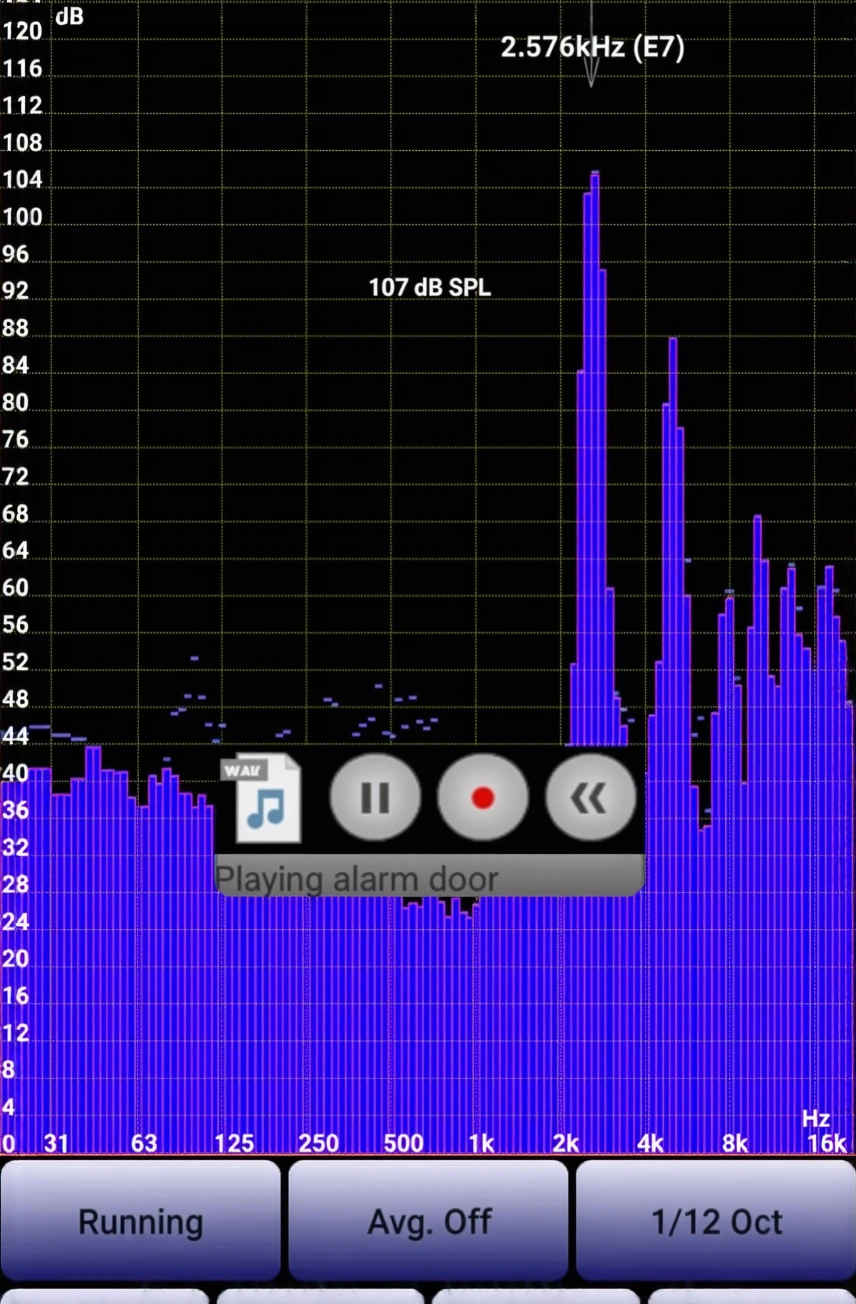
- Output volume sufficient to penetrate from adjacent living spaces (testing confirmed audibility from multiple rooms away) without triggering the alarm fatigue that causes families to disable systems
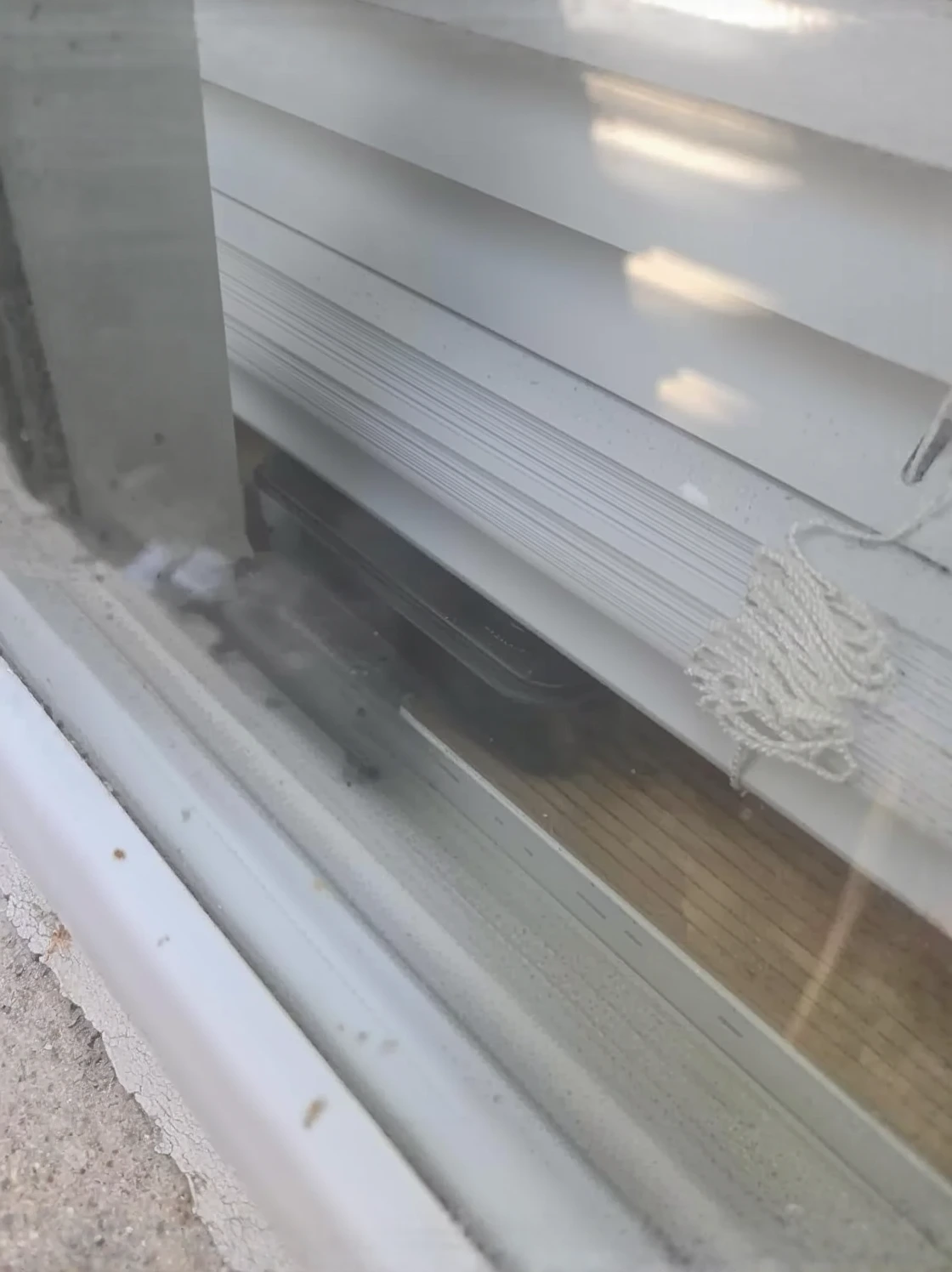
- Retrofit compatibility with existing gate hardware—no trenching, no electrical work, no permanent alterations, which proves invaluable for renters and HOA-restricted properties
What creates friction
- Cell replacement occurs quarterly under consistent use patterns—I learned through direct experience that missing the maintenance window leaves you unprotected, and the gap may go unnoticed for days
- Detection capability is notification only, not prevention—it demands occupant responsiveness to be effective, which means it functions exclusively as a component within a broader defense structure rather than as independent security
I was skeptical at first that a $30 alarm could replace actual supervision, and honestly, it can’t—but I stopped treating it like a magic fix and started seeing it as the early-warning system I should have had all along. If you’re serious about that layered defense, grab the HENDUN Upgraded Window and Door Alarm with Remote and pair it with a cover and CPR training.
This post contains affiliate links. As an Amazon Associate, I earn from qualifying purchases at no extra cost to you.
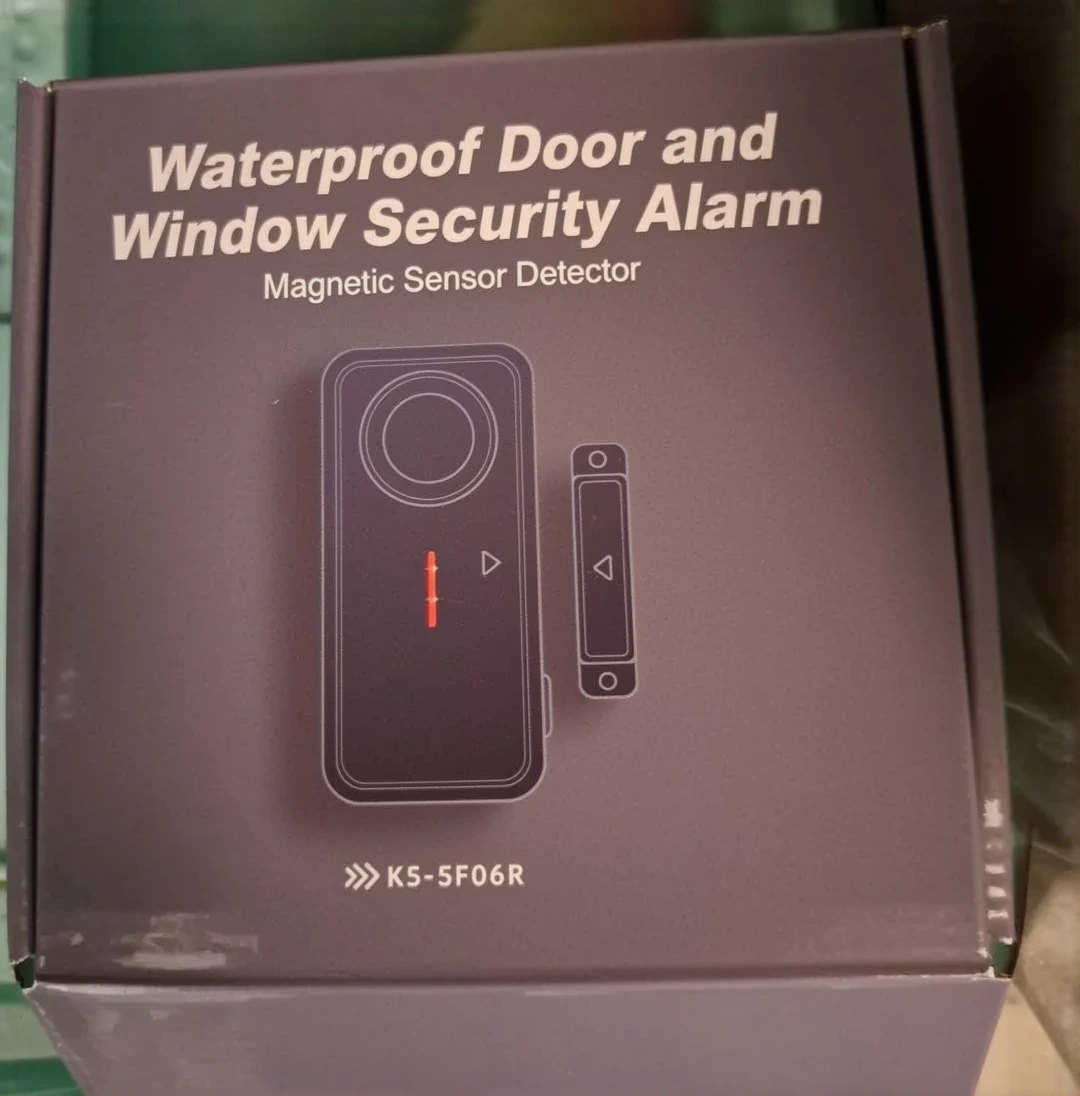
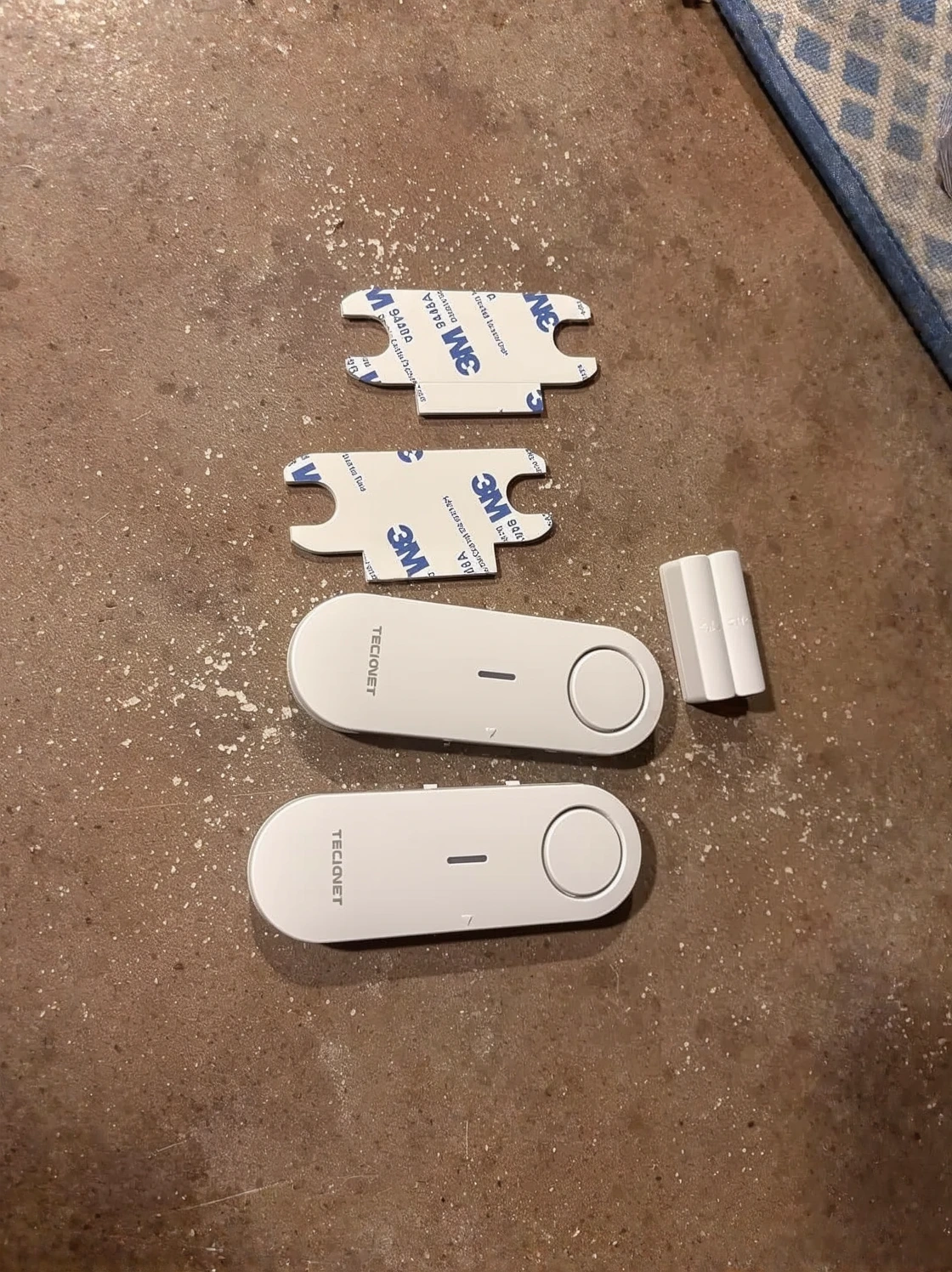
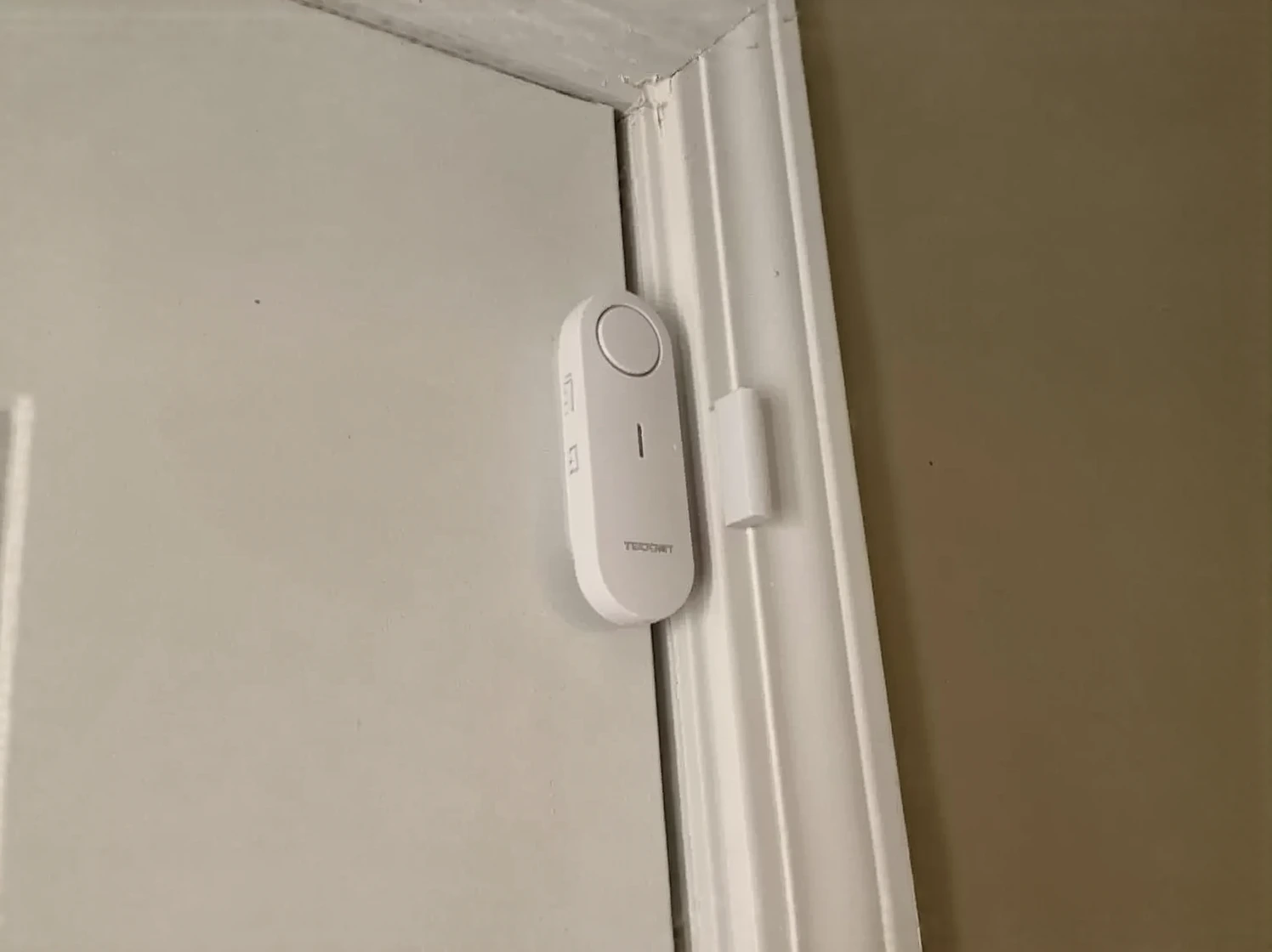
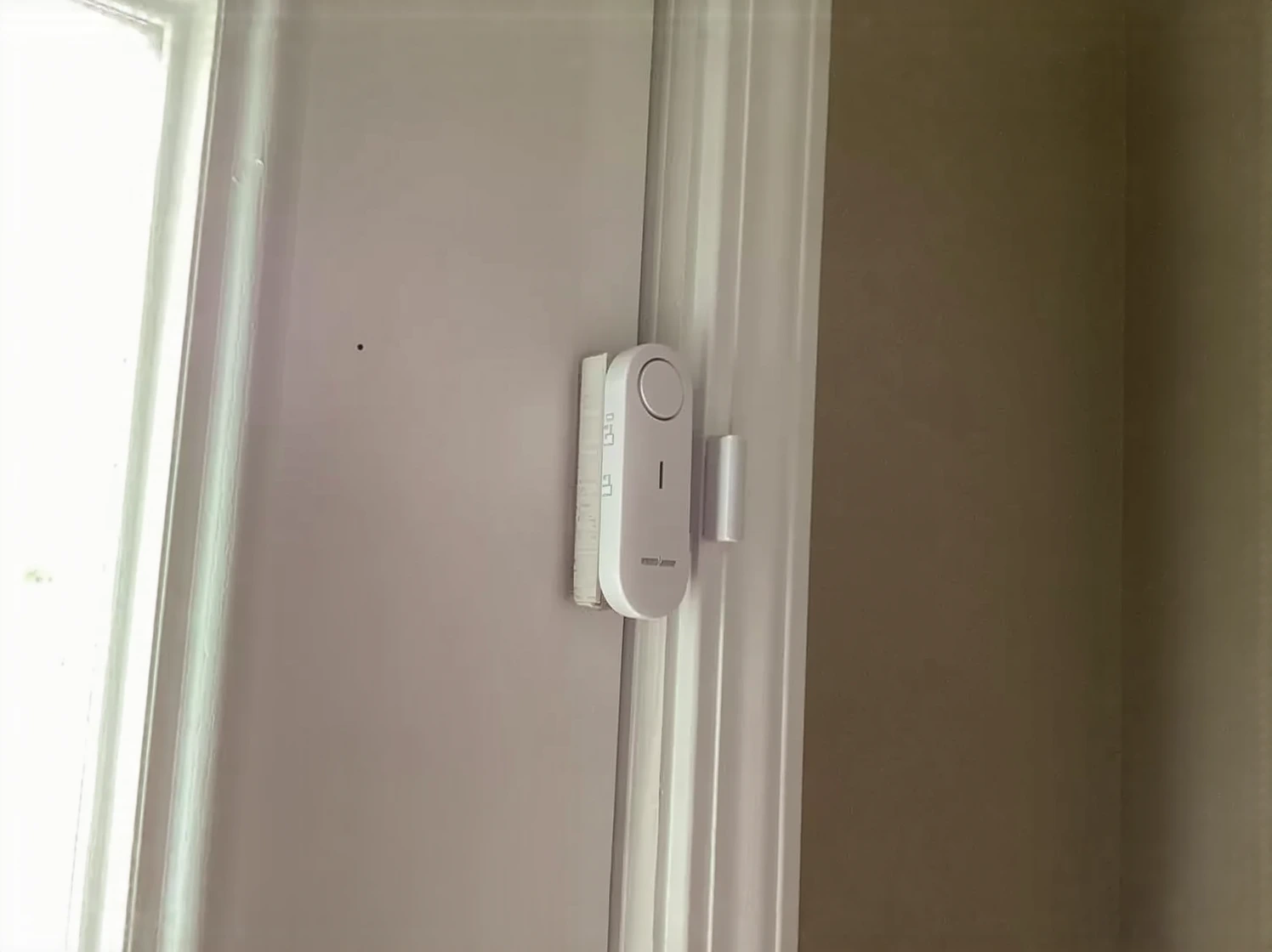
HENDUN Upgraded Window and Door Alarm with Remote
I installed it on a rental gate without drilling—heard it clearly from inside the house.
Check Price on Amazon →