I’ve been managing pools professionally for over a decade — resort properties with 200,000-gallon competition pools, HOA communities with back-to-back weekend swim parties, you name it. And one of the things that still makes me cringe every single time I see it is an old 120-volt incandescent pool light glowing away at the bottom of a pool while a dozen kids splash around above it. If you’ve been meaning to convert 120V to 12V pool light and keep putting it off, I want to give you the nudge — and the roadmap — you need today. Because this isn’t just about saving money on electricity or avoiding the annual ritual of changing a burned-out bulb. This is about what’s actually sitting in that water with your family. Once I walk you through what these old fixtures really mean from a safety and cost standpoint, I think you’ll understand why this upgrade jumped to the top of my priority list every time I inherited a pool with legacy lighting.
Why This Problem Is Worse Than You Think
Let me put the voltage thing in perspective, because I think most pool owners genuinely don’t register what it means. A standard 120-volt pool light runs on the exact same voltage as the outlets in your kitchen. The same current that powers your microwave or your coffee maker is running through a fixture submerged in water — the same water where your kids do cannonballs on Saturday afternoons. When these fixtures were installed, sometimes 20 or 30 years ago, this was simply standard practice. The safety net was the GFCI breaker: a Ground Fault Circuit Interrupter that’s supposed to detect any current leaking into the water and trip the circuit before anyone gets hurt.
Here’s the problem. GFCIs fail. Older ones that haven’t been tested in years — and pool owners almost never test them — can degrade to the point where they don’t respond fast enough, or at all. NEC Article 680 requires GFCI protection on all pool lighting circuits, but a code requirement and a functioning device are two different things. I’ve personally tested GFCI breakers on pools I’ve taken over and found units that were completely unresponsive. The breaker looked fine. The panel looked fine. But the protection wasn’t there.
Beyond safety, the economics are brutal. A standard 120V incandescent pool light bulb draws 300 to 500 watts and has a lifespan of roughly 2,000 to 5,000 hours. Most pool owners go through at least one bulb per season, sometimes two. At $30–$60 per bulb, plus the time and hassle of removing the fixture from the niche, that’s a recurring cost that adds up fast. The heat these bulbs generate also degrades the gasket seal faster — a cracked seal means water intrusion, which means a ruined fixture and a potential shock hazard. It’s a cycle that keeps costing you money and keeps you one seal failure away from a serious problem.
The pool light voltage conversion from 120 to 12 fundamentally changes the equation. At 12 volts, even in a worst-case scenario where the fixture cracks, the seal fails completely, and current enters the water, the physics simply don’t support a lethal shock. Twelve volts cannot drive enough current through the human body to cause cardiac arrest or serious injury. That’s not marketing language — that’s basic electrical physics. It doesn’t mean you should be cavalier about it, but it does mean the failure mode goes from potentially fatal to essentially harmless. That’s a meaningful difference when we’re talking about a pool full of kids.
What to Look For in a 12V LED Pool Light Bulb
Not all 12V LED pool light bulbs are created equal, and I’ve tested enough of them to know the difference. When you’re shopping for a low voltage pool light upgrade LED, here’s what actually matters:
Fixture Compatibility
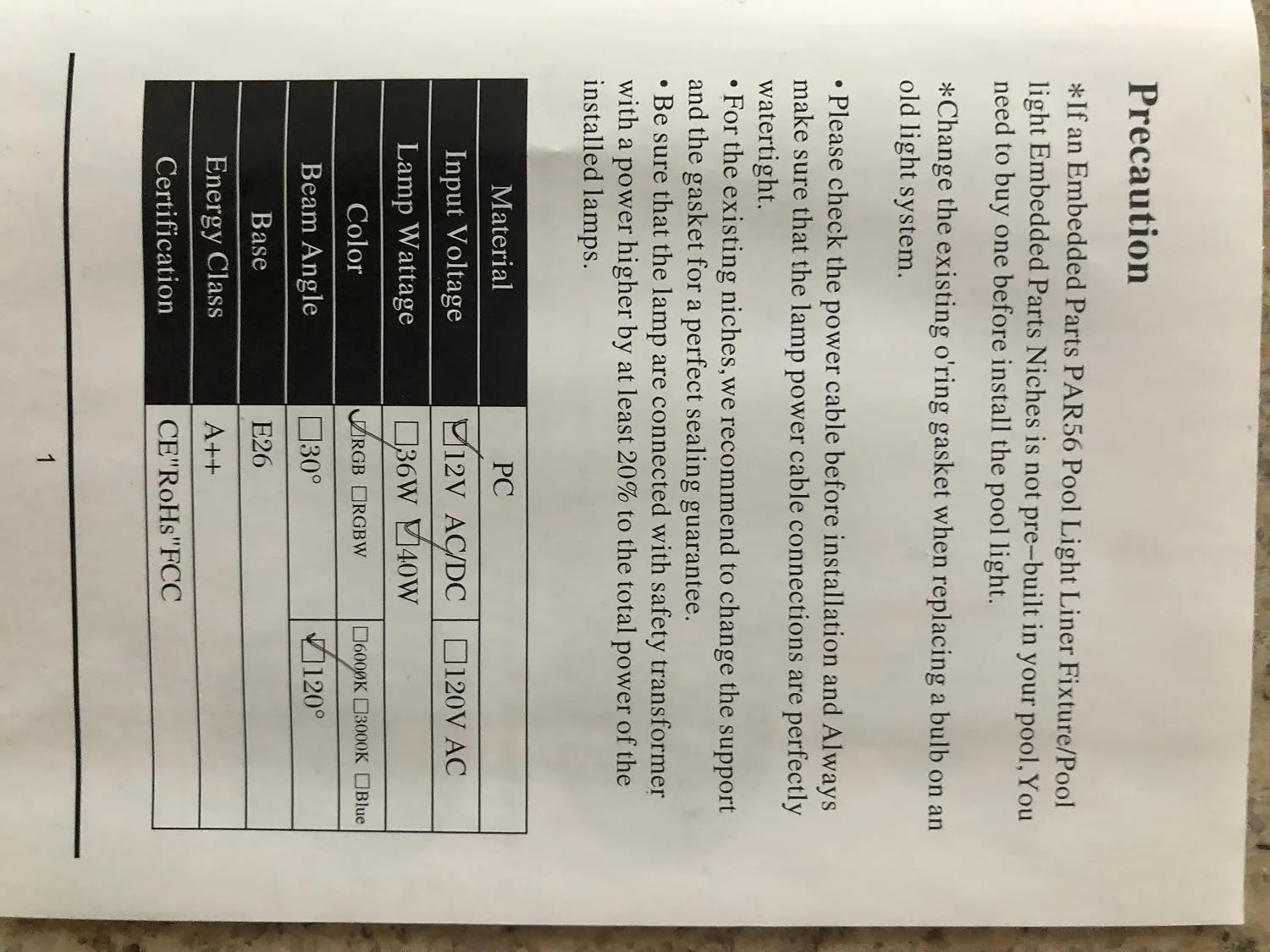
This is the make-or-break spec. Many older Pentair and Hayward niches — the housings built into your pool wall — accept standard-base bulbs in both 120V and 12V configurations. If your niche is compatible, you can do a bulb swap without touching your fixture hardware, which keeps the project simple and cost-effective. Look for bulbs with an E26 base (standard screw base) for the widest compatibility. If your fixture is proprietary or damaged, you’re looking at a full fixture replacement, which runs $150–$400 and absolutely requires a licensed electrician.
Wattage and Lumen Output
You want enough light to actually illuminate your pool at night, not just create a dim glow. A 40-watt LED at 12V produces light output comparable to a 300-watt incandescent — that’s the efficiency advantage of LED technology at work. Don’t get seduced by very low wattage claims without checking lumens. Underwater lighting needs to punch through water and still light a 15,000+ gallon pool.
Color-Changing Capability and Remote Control
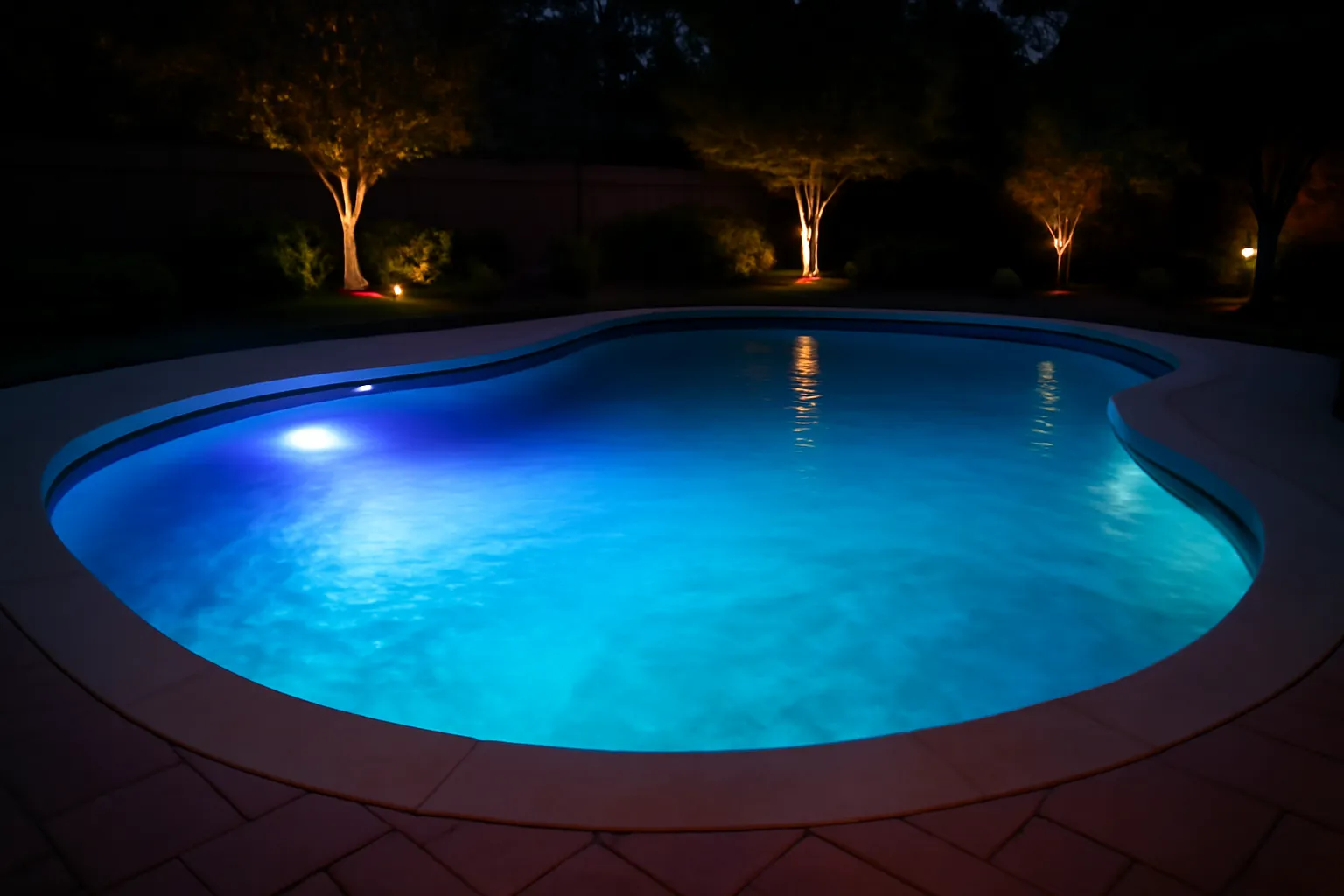
If you’re going through the process of upgrading anyway, go RGB. Color-changing LED pool lights transform nighttime swimming from “the light’s on” to a genuine experience. Parties, holidays, kids’ night swims — the difference is dramatic. A remote control is essential here so you’re not running back to an app or a wall switch every time someone wants to change the mood.
The RGB Light That Finally Made Me Stop Worrying About Fixture Compatibility
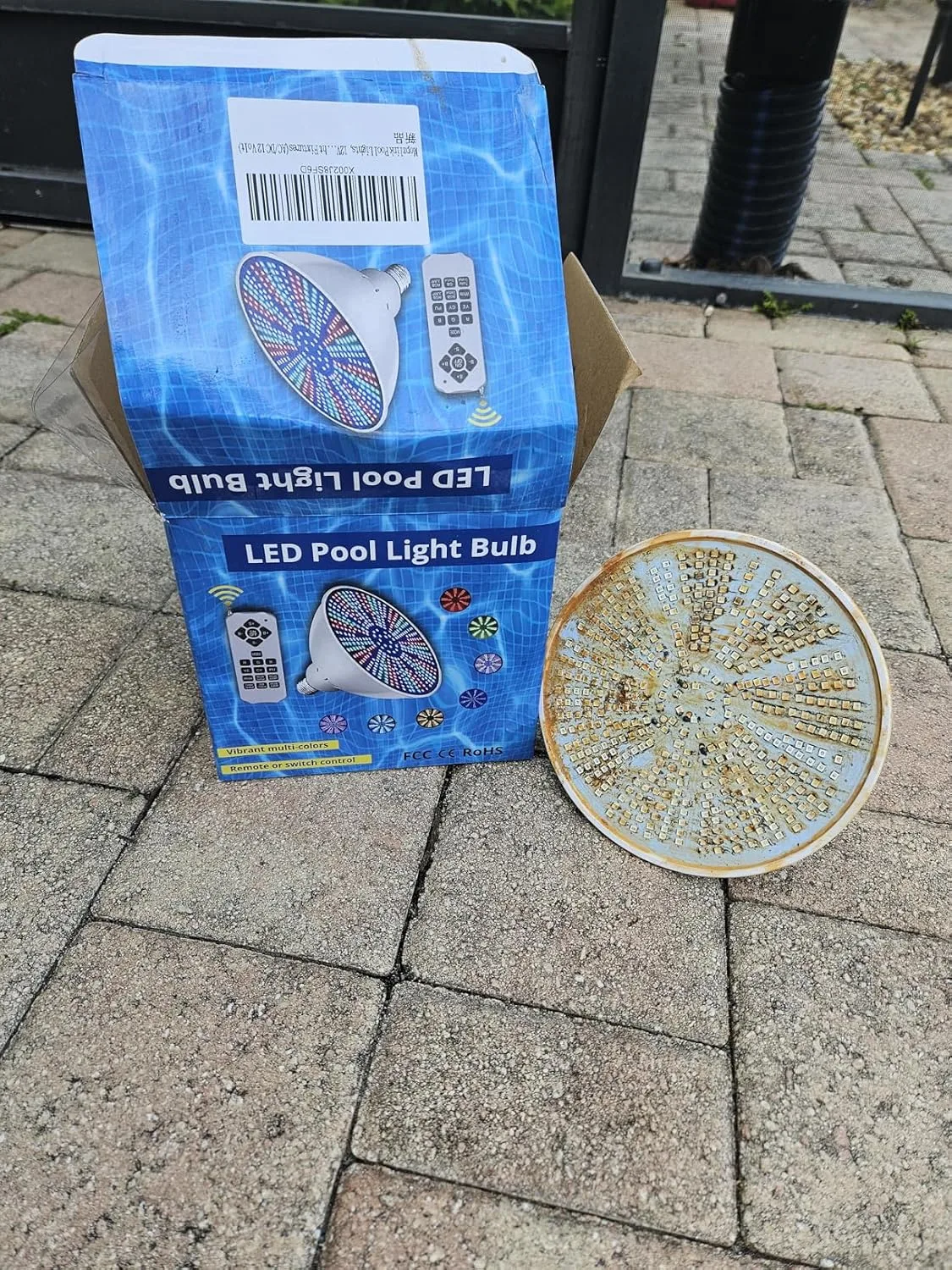
The hardest part of converting to 12V isn’t the transformer—it’s finding a replacement bulb that actually fits your existing Pentair or Hayward fixture without a complete teardown. This RGB LED bulb is one of the few that drops straight into the standard E26 socket and plays nice with older housings.
What works
- Direct E26 replacement means no rewiring the fixture itself—just swap the bulb and you’re running 12V with full safety overhead
- The 40W output is bright enough for nightly ambiance without the heat signature that makes old 120V incandescents a hazard around kids
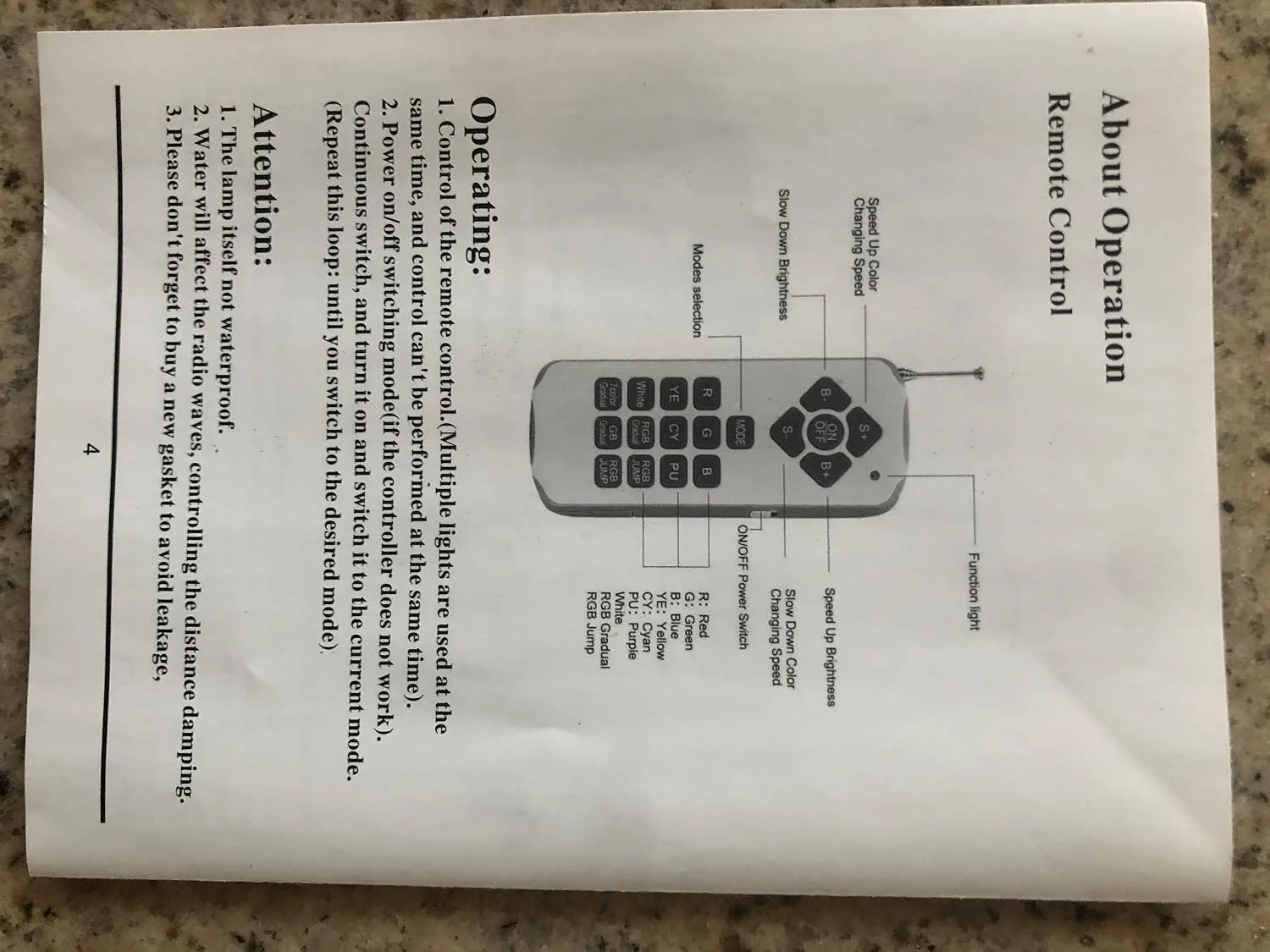
- RGB remote control lets you dial in color without touching the pool, which is genuinely nice for evening entertaining and keeps the light situation feeling intentional rather than “just whatever was installed in 1998”
What doesn’t
- You still need the 12V transformer and proper low-voltage wiring—this bulb alone won’t make your old 120V circuit safe, so don’t skip the full conversion
- The remote has a range limit of maybe 50 feet, which is fine for most backyards but won’t reach if you’re controlling from inside the house
I almost talked myself out of the RGB version thinking it was overkill, but the ability to switch from white to soft blue for a late-night soak changed how often we actually use the pool at night. Pool Lights, 12V 40W RGB Color Changing Underwater LED Pool Light for Inground Pool with Remote Control, E26 Replacement Bulb Fit in for Pentair and Hayward Pool Light Fixtures (AC/DC 12 Volt)
This post contains affiliate links. As an Amazon Associate, I earn from qualifying purchases at no extra cost to you.