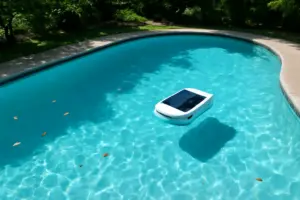
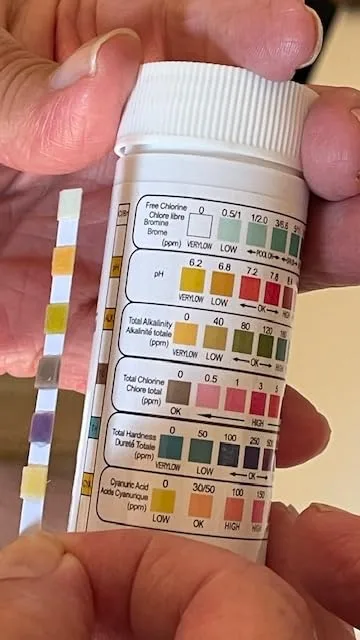
Stand at the equipment pad on a Tuesday in mid-summer, chlorine test kit in hand, and you’ll spot the pattern immediately: the free chlorine reading has tanked again, despite dosing just yesterday. So you add another dose. You recheck the stabilizer levels. A faint green shadow appears near the steps, triggering a full shock treatment and a mandatory 24-hour wait before you can swim again. Then the cycle restarts on Wednesday morning. This is the chemical treadmill, and I’ve watched it consume entire weekends that should have been spent swimming. Pool owners end up tethered to their equipment instead of actually in the water. Their children emerge with red-rimmed eyes and skin that itches for hours afterward. Their swimwear fades and degrades in three weeks flat. Eventually, they call me in frustration because algae has bloomed in the shallow end after a single overcast day. If this describes your summer, I’d like to walk you through something that fundamentally transformed my approach to maintaining residential pools: deploying a solar pool ionizer to reduce chlorine demand while maintaining crystal-clear water quality.
Why the Chemical Treadmill Is Worse Than You Think
Most pool owners grasp that chlorine irritates skin and eyes. What tends to escape their notice is the cumulative damage the chemical treadmill inflicts—on pump seals and heater components, on annual spending, and on physical health over months and years.
The core issue with chlorine is its instability in sunlight. When exposed to UV rays and mixed with bather contaminants—sunscreen residue, perspiration, body oils, fallen debris—free chlorine bonds and transforms into chloramines. Chloramines are the real villain: they trigger that acrid pool odor and the burning eyes everyone associates with “chlorine” (even though it’s actually a breakdown product, not chlorine itself). The more swimmers using the pool, the faster this conversion happens. In a Southwest pool maintained at 85°F under direct sun, you’ll burn through 1–2 ppm of free chlorine in a single afternoon window. This means dosing chlorine isn’t a once-weekly task—it’s a two-to-four-times-weekly necessity during the heat season.
The financial picture gets grimmer. An average residential pool holding chlorine in the 1.0–3.0 ppm range throughout the peak summer months—Memorial Day through Labor Day—will consume $300–$600 in chlorine and shock treatments alone. Many HOA pools run up bills that are double or triple that figure. Beyond the primary sanitizer, you’re also stocking cyanuric acid (stabilizer), algaecide, pH modifier, and water clarifier—the entire supporting arsenal that chlorine systems require.
Equipment longevity takes a hit that most people don’t anticipate. When chlorine levels ride too high—or when pH swings outside the 7.2–7.6 window—corrosion accelerates in heat exchanger tubes, pump bearing seals, and plaster finishes. I’ve documented plaster surfaces that aged a decade’s worth in just three seasons because of relentless chemistry instability. Vinyl membranes turn brittle and crack prematurely. Salt chlorine generators see their cells encrusted and destroyed when overall water balance is constantly oscillating.
For households where family members have chlorine sensitivity—children managing eczema flare-ups, adults with reactive airway disease, anyone whose skin simply rejects heavy chemical exposure—the standard maintenance protocol becomes a real barrier to pool enjoyment. The cost isn’t a line item on an invoice; it’s the chance for those people to actually use their own pool. That’s a hidden expense nobody talks about.
What to Look For in a Solar Pool Ionizer That Can Actually Reduce Chlorine
Quality varies dramatically across ionizer products. Through testing different models across multiple installations, I’ve discovered that distinguishing a genuinely effective unit from an underperforming knockoff takes about three weeks of water testing. These are the specifications that truly matter.
Solar Panel Output
Your system’s effectiveness hinges on the solar panel’s power generation. Weak solar panels fail to generate sufficient ion current, leaving your copper and silver concentrations stuck below the therapeutic threshold. Target units with 1.5–1.8 watts minimum solar capacity. Below that wattage, you’re essentially maintaining a decorative floating object that contributes nothing to water sanitation.
Anode Material and Weight
The anode is the source of all ionization. Copper cations (Cu²⁺) obliterate algal organisms by puncturing their cellular walls—essentially creating openings that prevent the algae cell from maintaining its integrity or reproducing. Silver cations (Ag⁺) function through a distinct mechanism: they affix to bacterial protein machinery and block the replication cycle. NASA perfected this exact copper-silver ionization method during Apollo spacecraft development, where crew members required safe water purification in zero-gravity conditions without relying on heavy chemical cargo. A more substantial anode means extended operational lifespan between replacements. For a home pool, a 1 lb copper anode represents the industry standard for residential systems.
Coverage Capacity
Cross-reference your pool’s total gallonage against the unit’s rated capacity. Most residential installations fall in the 10,000–30,000 gallon spectrum, and you should select a model with a published capacity somewhat above your actual pool volume. Purchasing a unit rated below your pool size is among the most frequent installation errors I encounter.
The Ionizer That Finally Broke My Weekly Shock Cycle
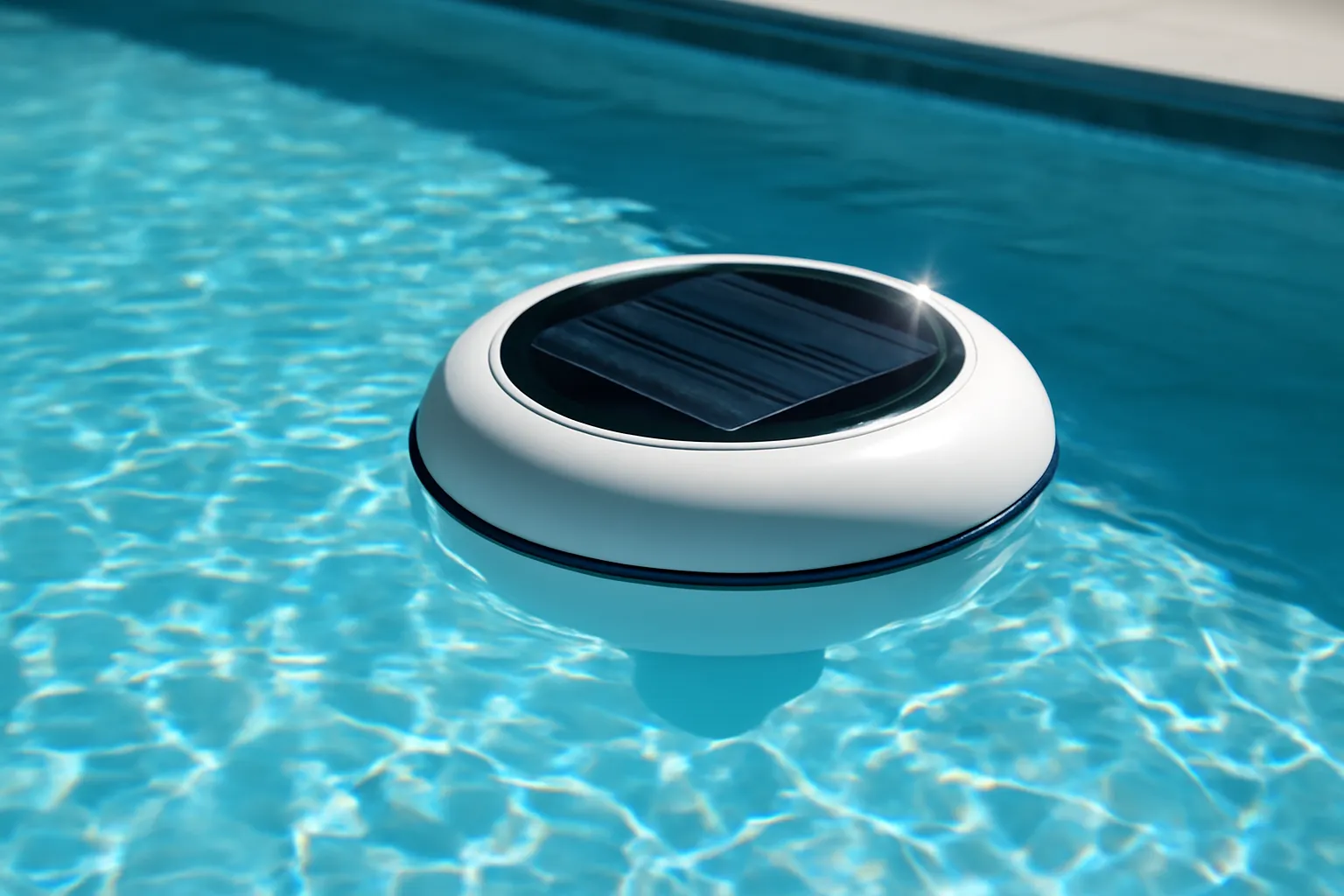
Years into the chlorine chase, I realized I was addressing the result rather than dismantling the root cause. A solar ionizer operates on a contrasting principle—it diminishes chlorine demand by introducing copper and silver ions that neutralize algae and bacteria before they force your sanitizer requirements higher.
What works
- Free chlorine consumption declines measurably from one week to the next—I’m testing and supplementing half as regularly as before, eliminating those frantic Tuesday pad sessions I used to dread.
- Once deployed, the solar panel operates at zero cost; no electrical draw, no rising utility invoices, no mounting chemical purchase receipts the way traditional dosing created.
- A copper anode sustains through one complete season in typical pools, which means no constant component swaps—insert it in May and shelve the maintenance worries until fall.
What doesn’t
- Ionization cannot function as a standalone sanitizer—you must maintain baseline chlorine residuals, so testing frequency won’t disappear and you won’t achieve a chemistry-free pool environment.
- Installing and swapping out the anode demand either hands-on equipment work or a service call from a technician; this isn’t analogous to dumping shock powder into the skimmer basket.
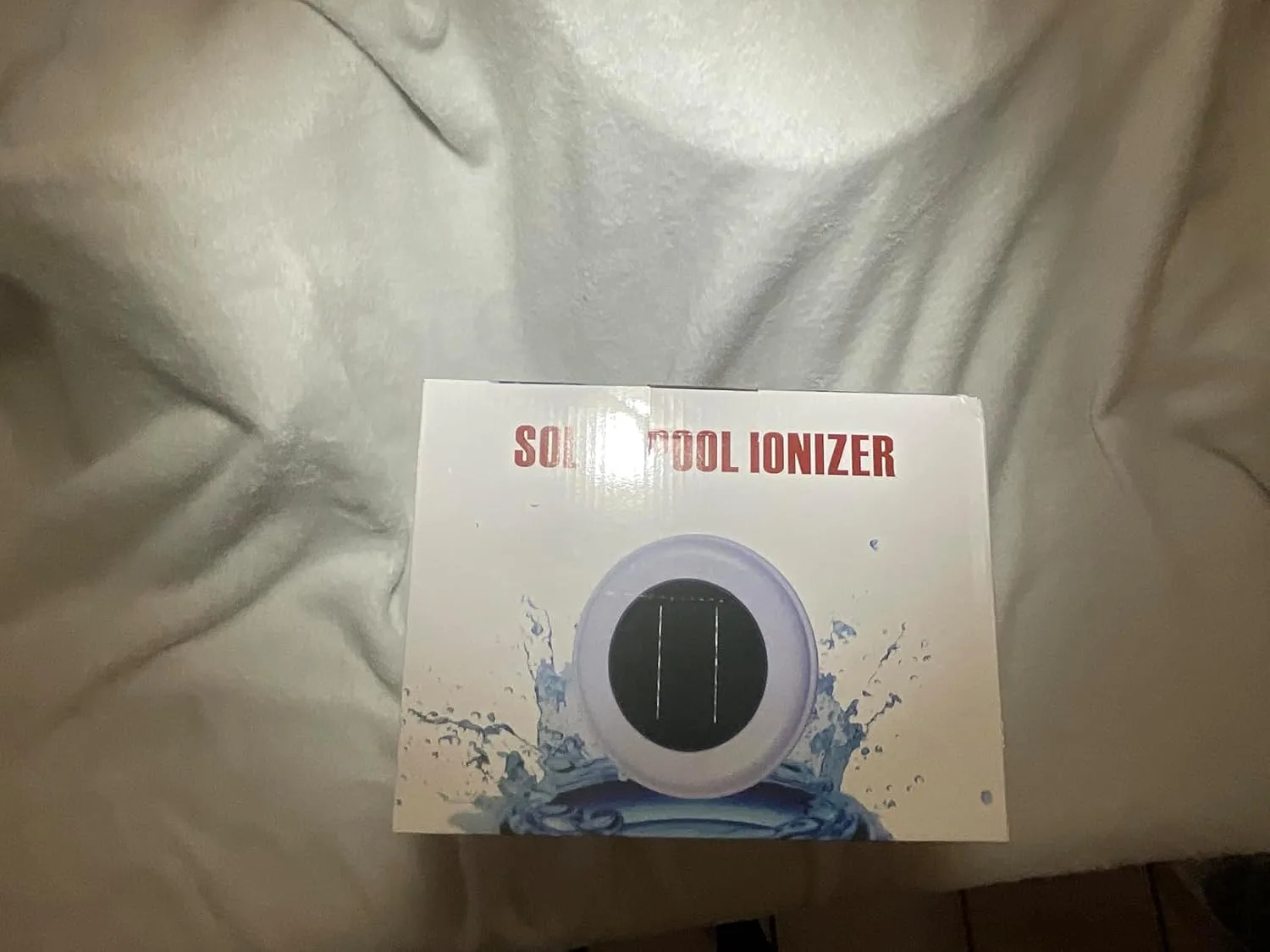
I was skeptical the first month—my chlorine readings didn’t drop overnight, and I almost convinced myself I’d wasted money on pool gadgetry. Then July hit, I tested the water, and realized I hadn’t shocked in three weeks. That’s when it clicked. XtremepowerUS Solar Pool Ionizer – Floating Water Cleaner &
About This Article
Written by Nadia Caldwell. Backyard pool owner and water chemistry nerd. After years of chasing down cloudy water and algae blooms on my own pool and my neighbors', I now write about pool maintenance, water treatment, and everything chlorine-related for everyday pool owners. More about this site.
Scope and limits. Nadia is a pool owner who reads chemistry, not a certified pool professional. Follow label directions on every chemical, never mix them, and use a certified pool operator for equipment and sanitizer system work.
Verify this against a primary source
Specifics change, and your situation may differ from the one described here. These are the authorities worth checking directly:
- World Health Organization — guidelines for safe recreational water environments
- Pool & Hot Tub Alliance — water chemistry and pool operation standards