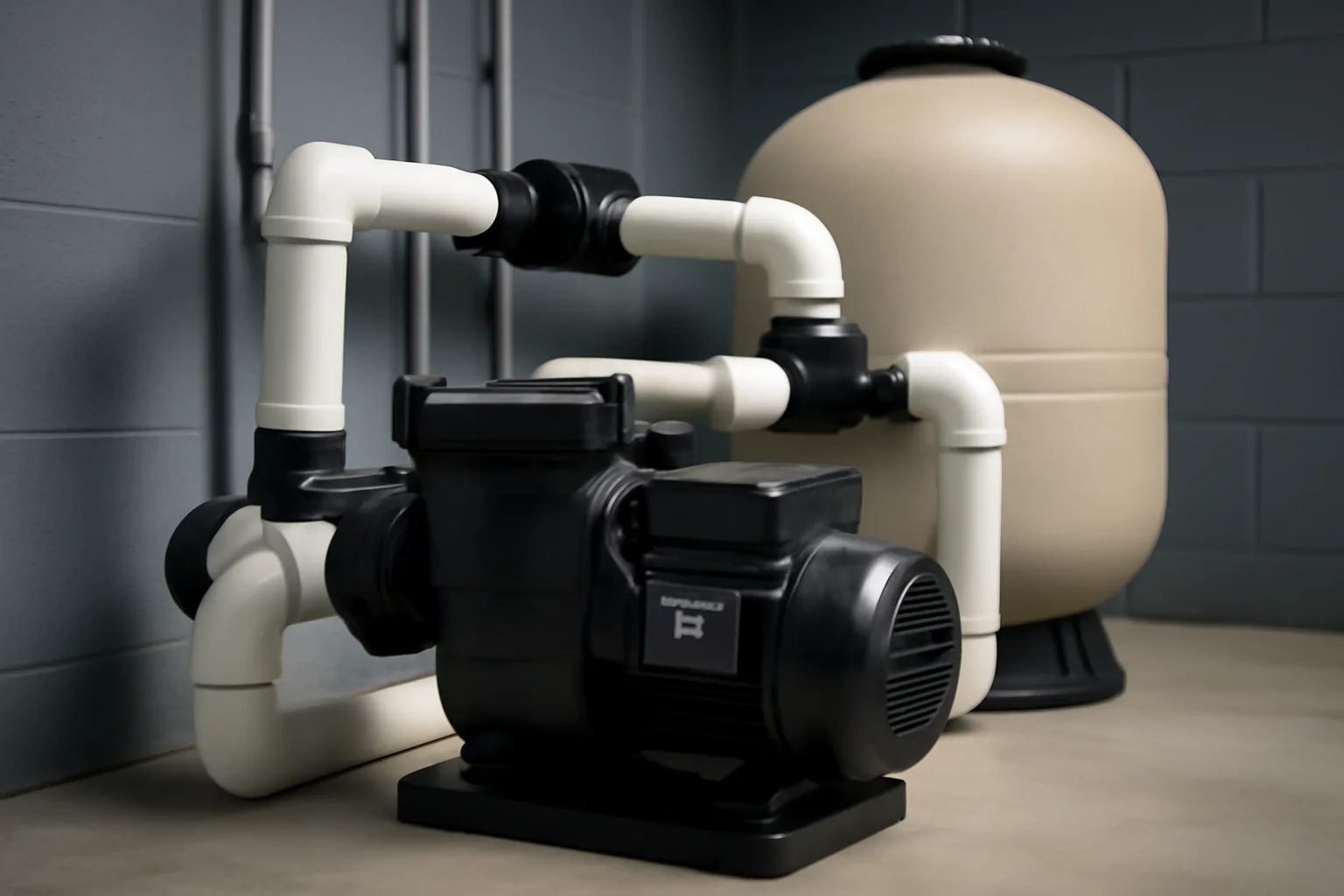

The water in front of you reads 7.2 pH and 1.8 ppm free chlorine — good numbers on the test strip. But the real culprit behind most pool headaches isn’t chemistry at all. It’s the equipment humming behind the equipment pad: a pump that’s too large, drawing power it shouldn’t, grinding through filter media like it’s disposable. I’ve watched this failure repeat across a dozen Arizona resorts, a handful of municipal facilities, and more than a few backyard pools than I can count. Wrong pump sizing cascades into everything else. Right sizing compounds every smart decision you make afterward. The algebra is forgiving — once you know what to measure.
Call came in on a Wednesday that spring: new Scottsdale residence, 20,000 gallons, brand-new equipment, and the homeowner’s rage was audible through the phone. The contractor’s choice: a 3.0 HP single-speed pump. The damage: electricity costs had vaulted $180 each month. The filter was channeling. The skimmer was throwing foam everywhere from sheer turbulence. That’s what happens when you confuse “bigger” with “better.” The right size, by contrast, stays quiet and lets your water sit clean without punishment.
The Foundation: Volume and Circulation Cycles
Before you size anything, you need one number locked down: your pool’s total gallonage. For a rectangular floor plan, the formula is straightforward — length multiplied by width multiplied by mean depth, then multiply by 7.48. Freeform or irregular shapes? I pull the manufacturer’s documentation or segment the basin and add the sections together.
Next comes the circulation requirement — how many hours should a complete water cycle take? The industry standard baked into the Model Aquatic Health Code (MAHC) and adopted across most state regulations specifies an 8-hour turnover for pools serving residential users. Translation: a 20,000-gallon pool must push all 20,000 gallons through the system in 480 minutes. That arithmetic yields your minimum necessary flow: roughly 41.7 GPM. No guessing. No folklore. Just division.
Commercial facilities operate under stricter timelines. Many states — I see this regularly in Arizona and Nevada — demand a 6-hour cycle. Your local health code will spell this out, and compliance inspectors will verify it. Undersizing here isn’t just inefficient; it’s unlawful.
Decoding Total Dynamic Head (TDH)
Flow rate is half the equation. The other half is Total Dynamic Head — a measure of every resistance point your pump must overcome to push water through your plumbing and equipment. Miss this step, and your specs look right on a spreadsheet while performing wrong on the pad.
TDH incorporates multiple layers of friction. Here’s what I measure at every site visit:
- Pipe dimensions and routing distances (tighter bores and longer runs both strangle flow significantly)
- Valves, fittings, and directional changes (each elbow or tee mimics the resistance of 10–15 feet of unobstructed pipe)
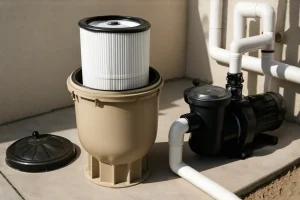
- Filter equipment and accumulated dirt (DE cartridges demand 10–25 feet; cartridge units typically need 8–20 feet)
- Additional treatment or heating apparatus (salt generators, UV sterilizers, and heat exchangers each demand their own head penalty)
- Elevation gaps between pool level and suction source
A friction loss chart becomes your calculator here. Most residential installations land between 40 and 65 feet of TDH. Once your GPM target and your TDH are known, you cross-reference them against a pump manufacturer’s performance curve. Every respectable producer publishes these curves publicly. If a pump delivers your required GPM while operating at or under your TDH ceiling, you’ve found your match.
A Costly Undersized Pipe Taught Me Everything
My second year running pools, I nailed the pump calculations for a 30,000-gallon HOA basin. But the original installation contractor had chosen 1.5-inch return piping instead of the proper 2-inch diameter. That plumbing bottleneck stole nearly 30 additional feet of head — something I hadn’t foreseen. Cavitation ate the pump within months. Three return lines had to be completely replaced. The bill topped $2,400, and it would never have existed if I’d verified the pipes before the final pump selection. I never skip that step anymore.
How Variable Speed Transforms the Entire Sizing Picture
The real breakthrough in equipment came with variable speed technology. The Department of Energy mandated in 2021 that residential pumps exceeding 0.711 horsepower must operate as variable speed or variable flow units. That means nearly every new pool pump installed today is a VSP.
Why does that rewrite the sizing rules? A fixed-speed pump locks you into a single operational velocity and a single power appetite. A variable speed pump lets you dial down to minimal RPM during off-peak hours — mornings, winters, slow-use intervals — and only accelerate when circulation demand actually rises. The physics of pump operation (the Affinity Law) dictates that halving the speed reduces electricity draw by approximately 87%. This isn’t vendor marketing; it’s fundamental engineering.
My approach to VSP sizing: spec the pump slightly above the bare minimum GPM. The goal is operational headroom. Running a VSP at 70–80% of its ceiling during peak demand ensures it’s never strained. During routine filtering, I program it for 1,500–2,000 RPM instead of the 3,450 RPM a fixed-speed model would run. The outcome for my clients: monthly electricity savings between $50 and $120 versus their previous single-speed equipment. That gap pays the equipment premium in 12–18 months.
Why Your Pump Sizing Only Works If Your Pump Can Actually Dial In That Size
Getting the numbers right means nothing if you install a pump that can’t operate at the numbers you’ve calculated. A fixed-speed pump will always hammer away at full velocity no matter what you’ve designed for. Variable speed pumps actually honor the math you’ve done.
Where they excel
- Off-peak hours and seasonal lulls allow reduced RPM operation, cutting electric consumption 40–60% below what an equivalently-rated single-speed pump would burn.
- Lower circulation velocity spares your filter media; debris doesn’t get forced through at destructive speeds, extending media lifespan measurably.
- You gain the ability to test your sizing predictions in real operation, adjusting speeds without committing yourself to permanent oversizing.
Where they fall short
- Initial purchase price exceeds single-speed alternatives by a significant margin — although the energy gap usually recovers that premium within 3–5 years on residential pools.
- You must actively program and monitor speed schedules; the pump itself won’t self-optimize if you’re hoping for a hands-off experience.
I’ll admit I was skeptical about the learning curve on variable speed settings until I saw my first electric bill drop by $80 in a single month. Check out the Aquastrong Variable Speed Pool Pump if you want your sizing investment to actually pay off.
This post contains affiliate links. As an Amazon Associate, I earn from qualifying purchases at no extra cost to you.
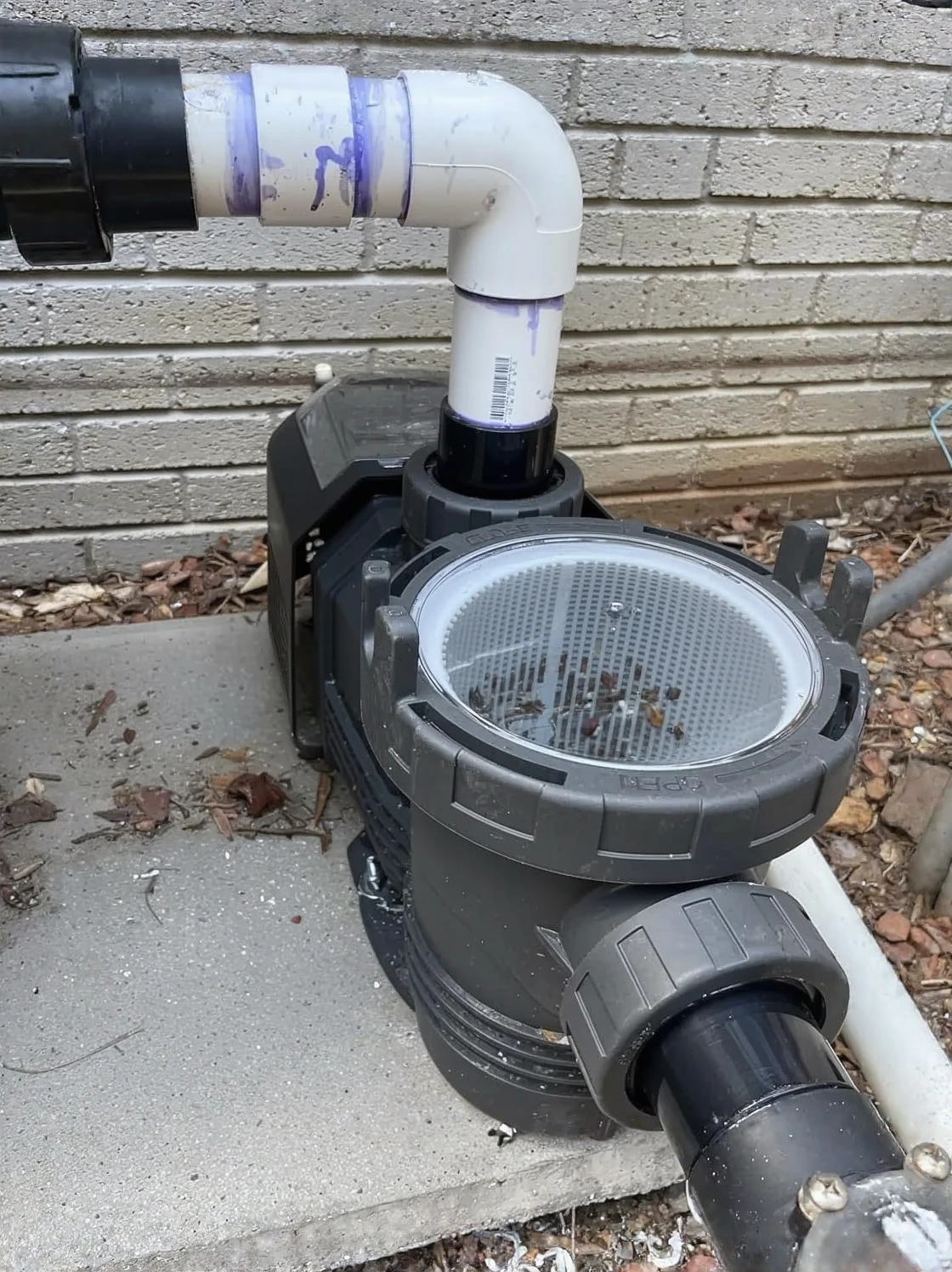
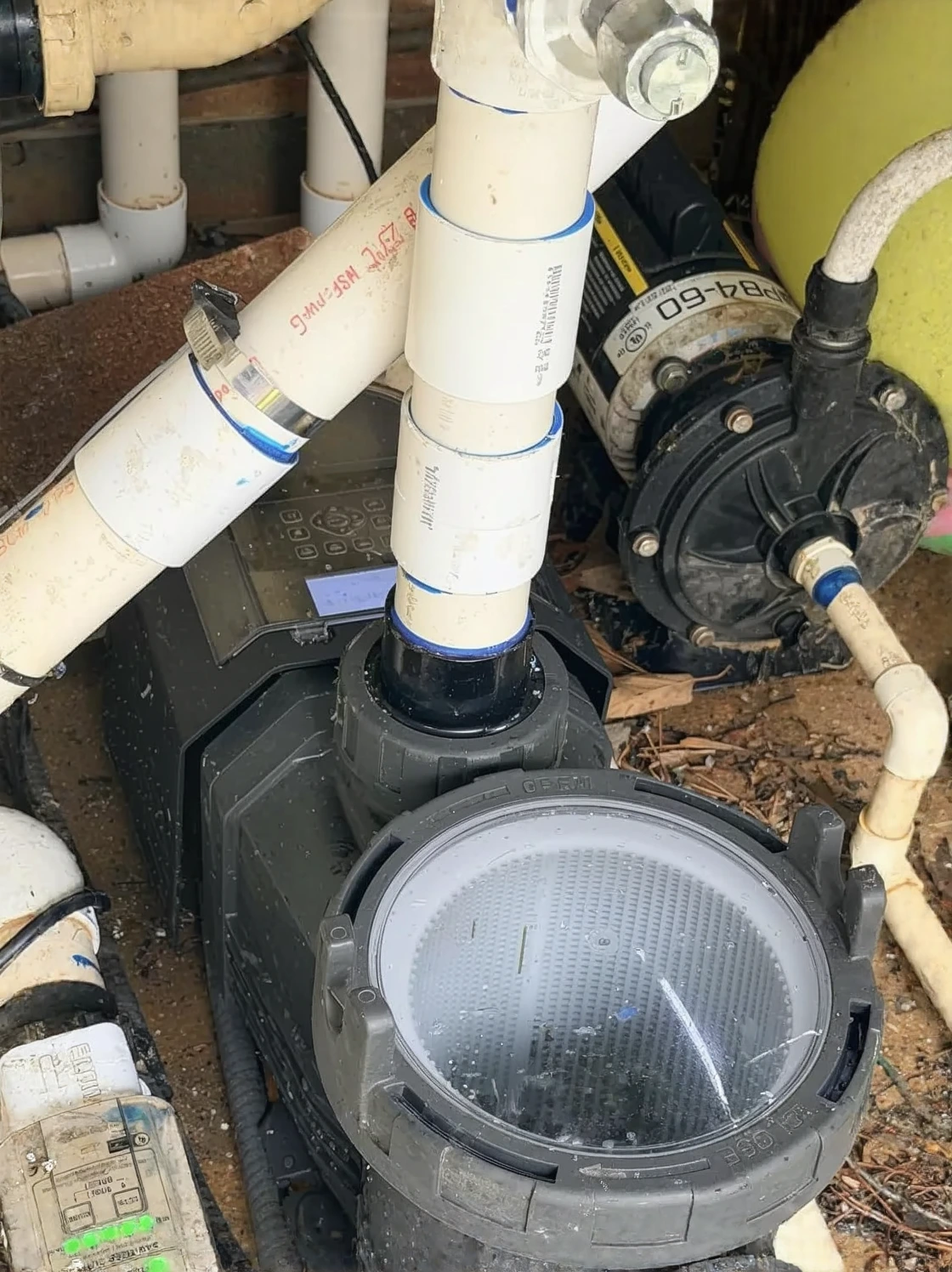
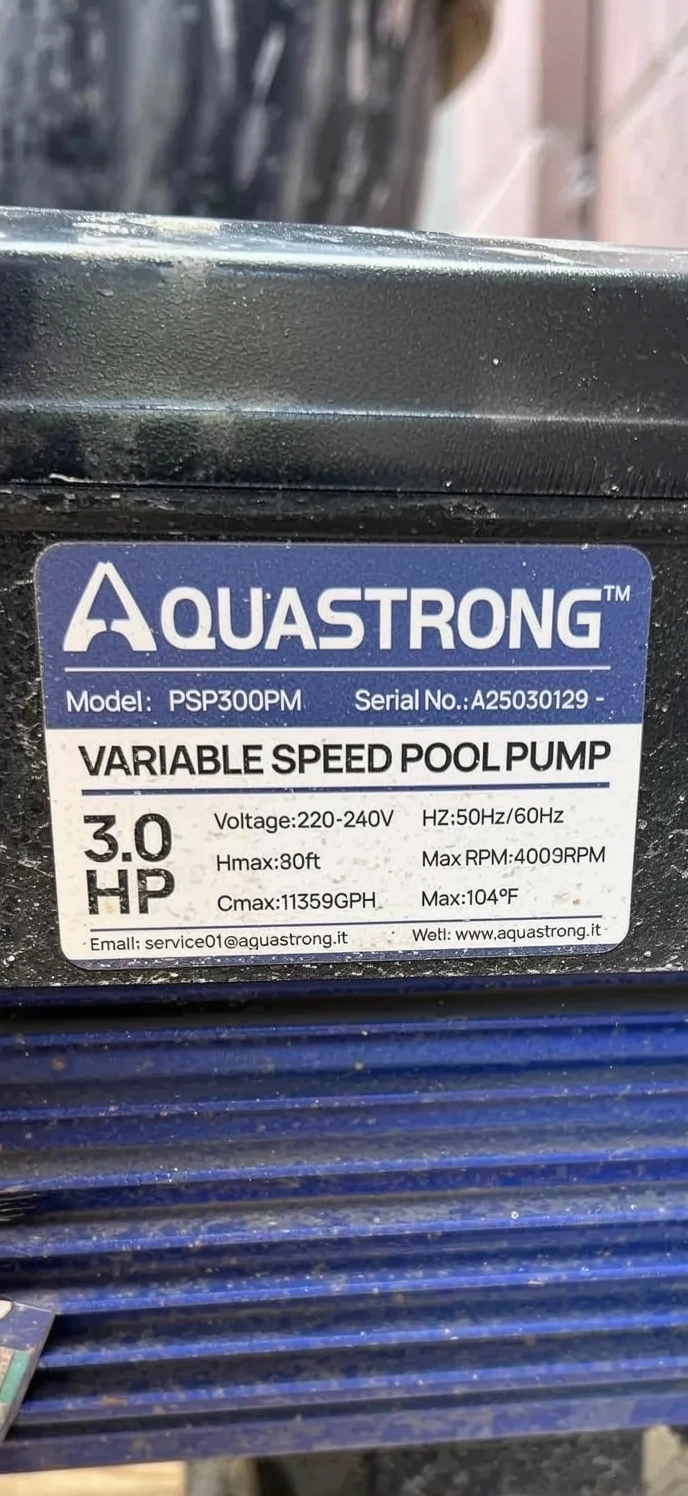
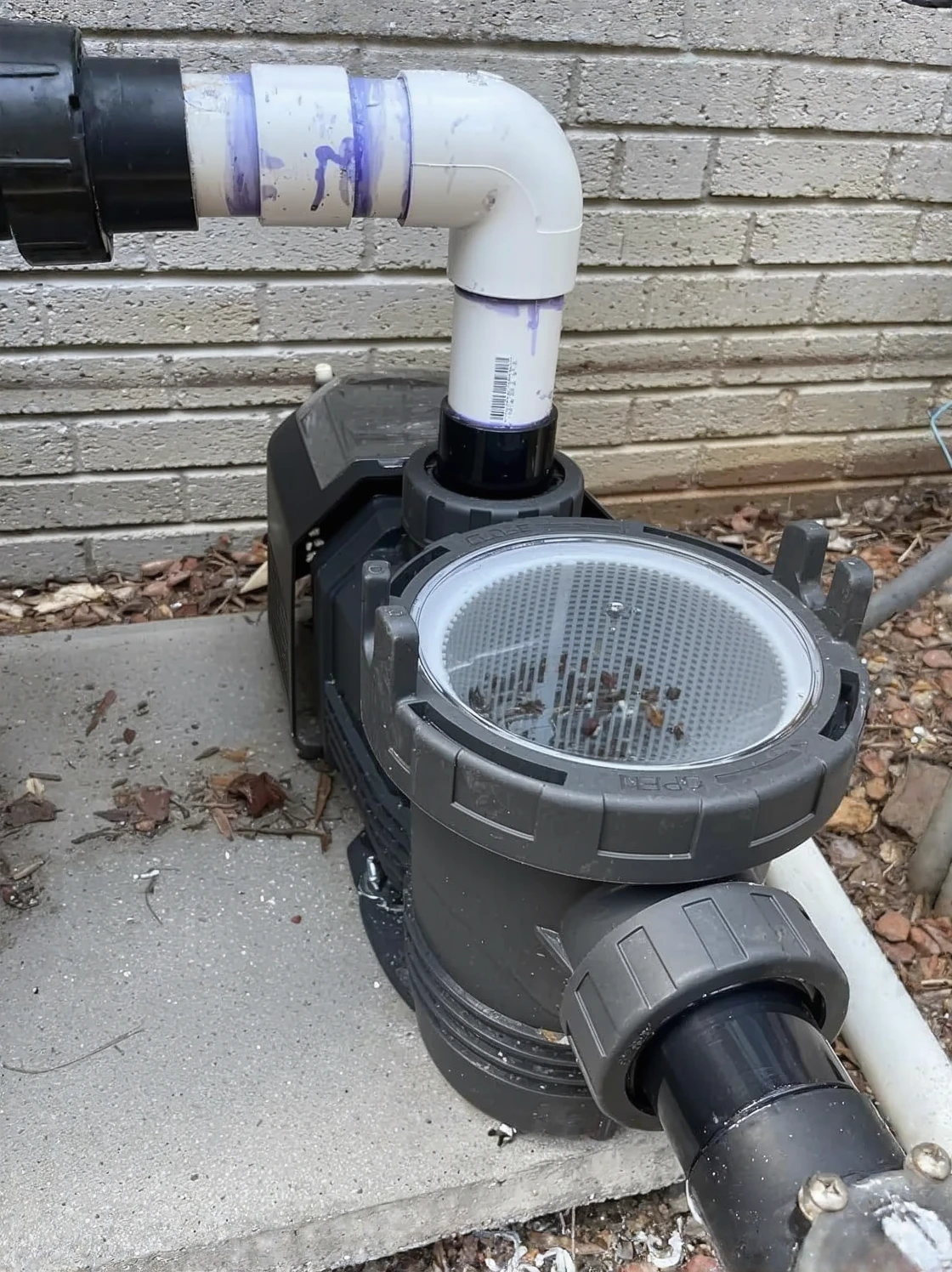
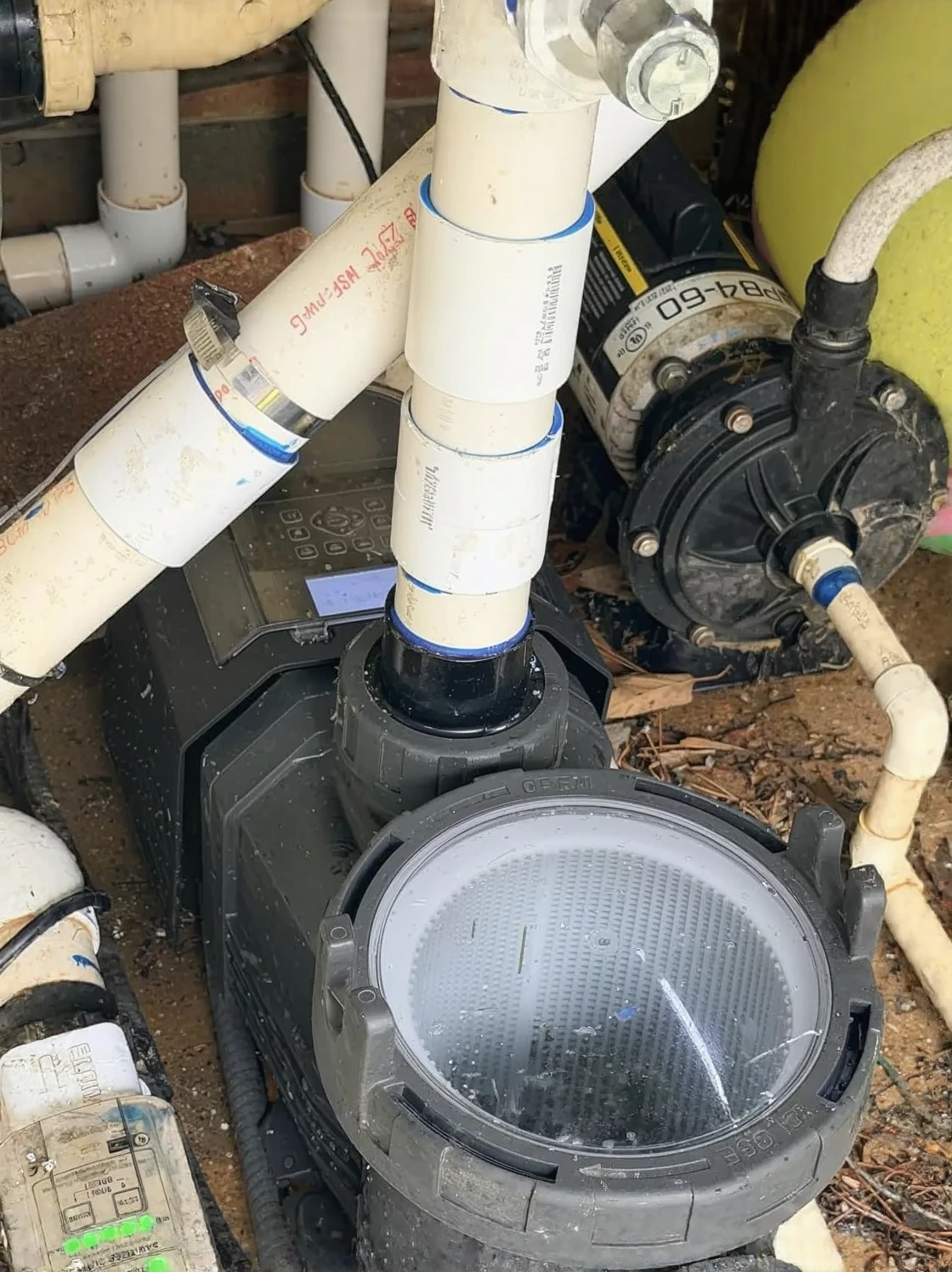
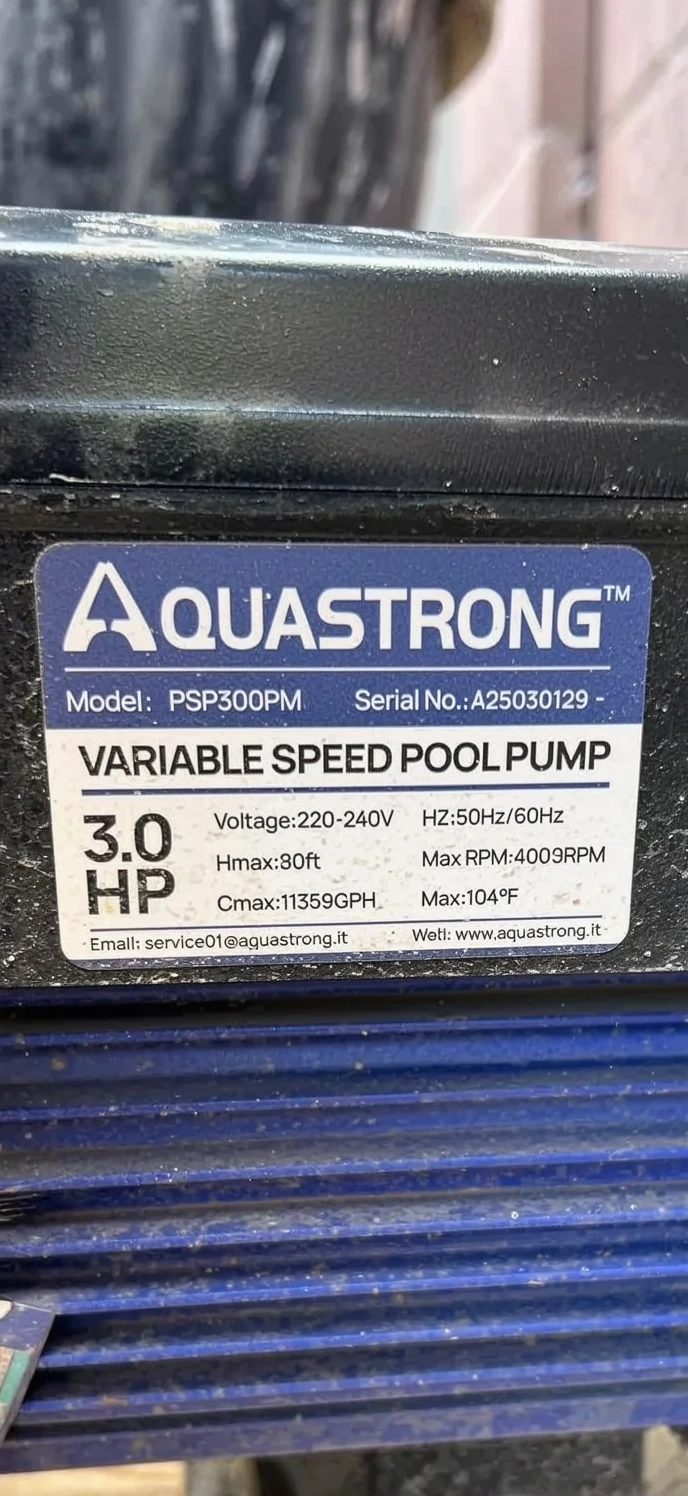
Aquastrong Variable Speed Pool Pump
I sized mine wrong initially, but this pump let me dial in the right speed without overspending on electricity year-round.
Check Price on Amazon →