Over years of chasing water chemistry in Arizona and homeowner communities, one question surfaces consistently from hot tub owners entering the spa world: “bromine vs chlorine hot tub—which one should I use?”
The problem is staggering. Spa retailers champion bromine. Your neighbor touts chlorine results. Someone on a forum insists bromine reeks of laboratory chemicals, while another claims chlorine scorched their eyes. Everyone holds a fragment of truth, yet the guidance contradicts itself at every turn. My own early weeks proved this painfully—rotating between chlorine and loose bromine powder left me battling inconsistent water clarity and hazy conditions. Only when I shifted to a tablet-based bromine regimen did consistency finally emerge, and that’s precisely why so many owners feel lost.
What I’ve discovered through extensive hands-on spa stewardship: both substances sanitize effectively, yet one outperforms the other for spa-specific chemistry. And if you’re accustomed to pool maintenance, the superior choice will likely surprise you.
Your answer hinges on actual usage patterns—and crucially, on water behavior at 100-104°F (a temperature range that rewrites the chemistry rulebook entirely). I’ll break down what succeeds and what fails based on field experience, so you sidestep guesswork and land on the correct decision.
Why This Dilemma Runs Deeper Than Most Owners Realize
Coming from pool ownership, many assume spa chemistry simply mirrors pool conditions with elevated temperatures. That comparison crumbles. It’s equivalent to calling a high-performance truck merely a standard pickup with a turbocharged engine. The mechanics operate on entirely different principles.
The overlooked reality: elevated heat destabilizes chlorine dramatically. At a typical pool temperature of 75°F, chlorine remains resilient and functional. Raise the water to a spa’s standard 102°F, and chlorine begins evaporating into air at a rate roughly 2-3 times faster than pool conditions permit. You find yourself perpetually restocking your sanitizer, watching levels spike after each addition, only to plummet hours later. The cycle exhausts both time and finances.
Compounding the issue: that accelerated gas release occurs within a contained, typically covered basin. Chlorine vapors accumulate in the airspace directly above the water line. When you remove the cover to enter, you inhale concentrated fumes. The experience is unpleasant.
The genuine culprit behind that offensive “chemical odor” people associate with spa use isn’t chlorine in its pure state—it’s chloramines, produced when chlorine binds with human byproducts like perspiration, cosmetic oils, sun protection lotions, and bodily waste (guests do urinate in hot tubs). Chloramines deliver irritation, produce unpleasant odors, and generate the redness and burning sensations many blame on chlorine itself, though the sanitizer wasn’t the true cause. Within a confined tub sealed with a cover, chloramine concentrations spike rapidly.
Water pH presents another recurring challenge. Spa conditions naturally push pH upward through continuous aeration and immersion of multiple bodies. Chlorine’s sweet spot spans 7.2-7.6 on the pH scale. Deviation outside this band—a frequent occurrence—forces repeated dosing with acid or alkalinity modifiers. Dosing introduces costs and multiplies the risk of swinging too far in the opposite direction.
Begin with the proper sanitizer selection, and you eliminate the steep learning curve, conserve resources, and preserve your peace of mind from the start.
Understanding Why Hot Tub Water Behaves Distinctly From Swimming Pool Water
A critical distinction deserves emphasis: bromine and chlorine perform dramatically differently as spa temperatures climb.
Chlorine emerged from development in pool-centric research—conditions featuring mild temperatures, substantial water volumes, and open or well-circulated atmospheres. When industry experts and chemical researchers discuss chlorine performance and persistence, they’re anchored in 75-80°F baseline conditions. A spa operating at 102°F inhabits an entirely different chemical domain.
Molecular velocity increases with temperature, causing structural breakdown and fragmentation. This elevated activity accelerates off-gassing—chlorine transforms from dissolved substance into airborne molecules, abandoning the water before completing its sanitizing mission. Pool environments absorb this loss within the context of larger volumes. A 300-gallon spa wearing a cover transforms this liability into a persistent headache.
Bromine demonstrates superior resilience when exposed to heat. Volatilization occurs at markedly slower rates. Your sanitizer concentration remains stable over time, reducing the frequency of additions and rendering your chemical expenditures more forecastable.
The byproduct chemistry differs significantly. Organic contaminants—perspiration, emollient products, cosmetics, human secretions—react with chlorine to produce chloramine compounds. These byproducts generate unpleasant smells and cause irritation. When identical organic material encounters bromine, it generates bromamines—still antimicrobially active yet producing substantially less odor and causing minimal discomfort. This distinction matters profoundly. That “chemical-laden” aroma from spas typically stems from chloramine accumulation, not chlorine performing correctly.
pH tolerance shows another divergence. Bromine remains bactericidal across a broader pH spectrum (7.0-8.0) whereas chlorine narrows to 7.2-7.6. Given that spas naturally creep upward in pH, bromine usage translates to fewer chemical corrections and diminished overcorrection risks.
These distinctions aren’t superficial. Over months of operation, they accumulate into measurable practical differences.
Tablet Bromine: The Consistency Method That Eliminated Chemistry Chaos in My 104°F Tub
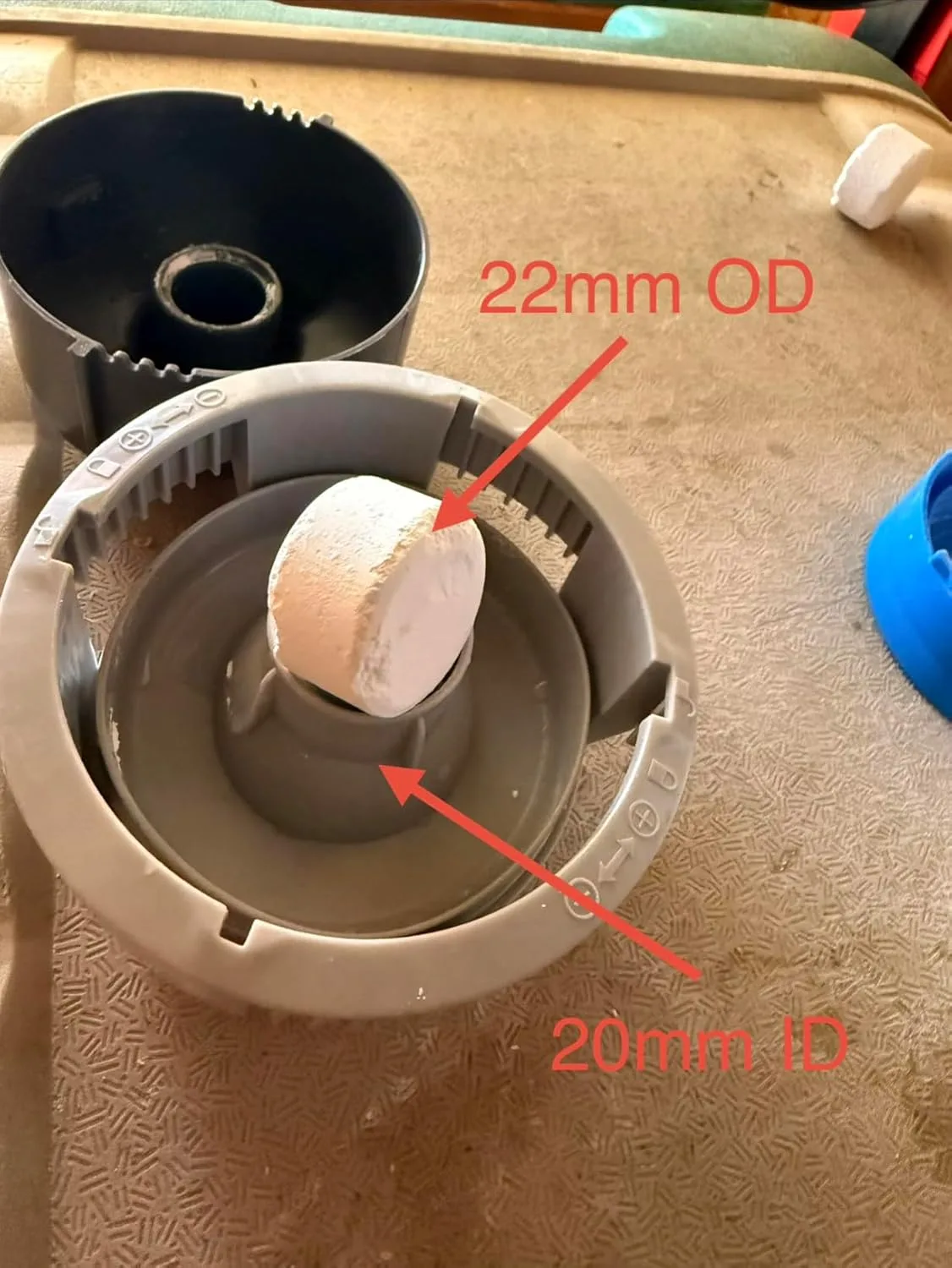
When spa water climbs toward and exceeds 100°F, traditional chlorine tablets degrade and discharge into atmosphere at accelerated rates—particularly concerning once temperatures breach the century mark. My initial attempts alternating between chlorine applications and loose bromine granules created frustration and hazy water conditions repeatedly. The turning point arrived when I transitioned to a tablet bromine system engineered for heat-stressed environments.
Advantages observed
- Slow, uniform dissolution within hot water produces constant residual levels, preventing dangerous spikes that generate the unpleasant “science lab” aroma users report encountering
- Ammonia-derived compounds develop far less readily under the heat conditions where chlorine struggles, keeping water transparency high and preventing the eye irritation that follows extended soaking sessions
- Monitoring frequency decreases substantially once your dosing becomes routine—my personal schedule shifted from daily checks to assessments spaced 2–3 days apart
Tradeoffs to acknowledge
- Once tablets are placed, their breakdown speed becomes fixed—if your tub temperature fluctuates day to day, you lack the agility to respond as rapidly as powder-based approaches permit
- Per-unit expense climbs relative to buying chlorine powder in bulk, a reality that initially strained my budget until purchase intervals lengthened considerably
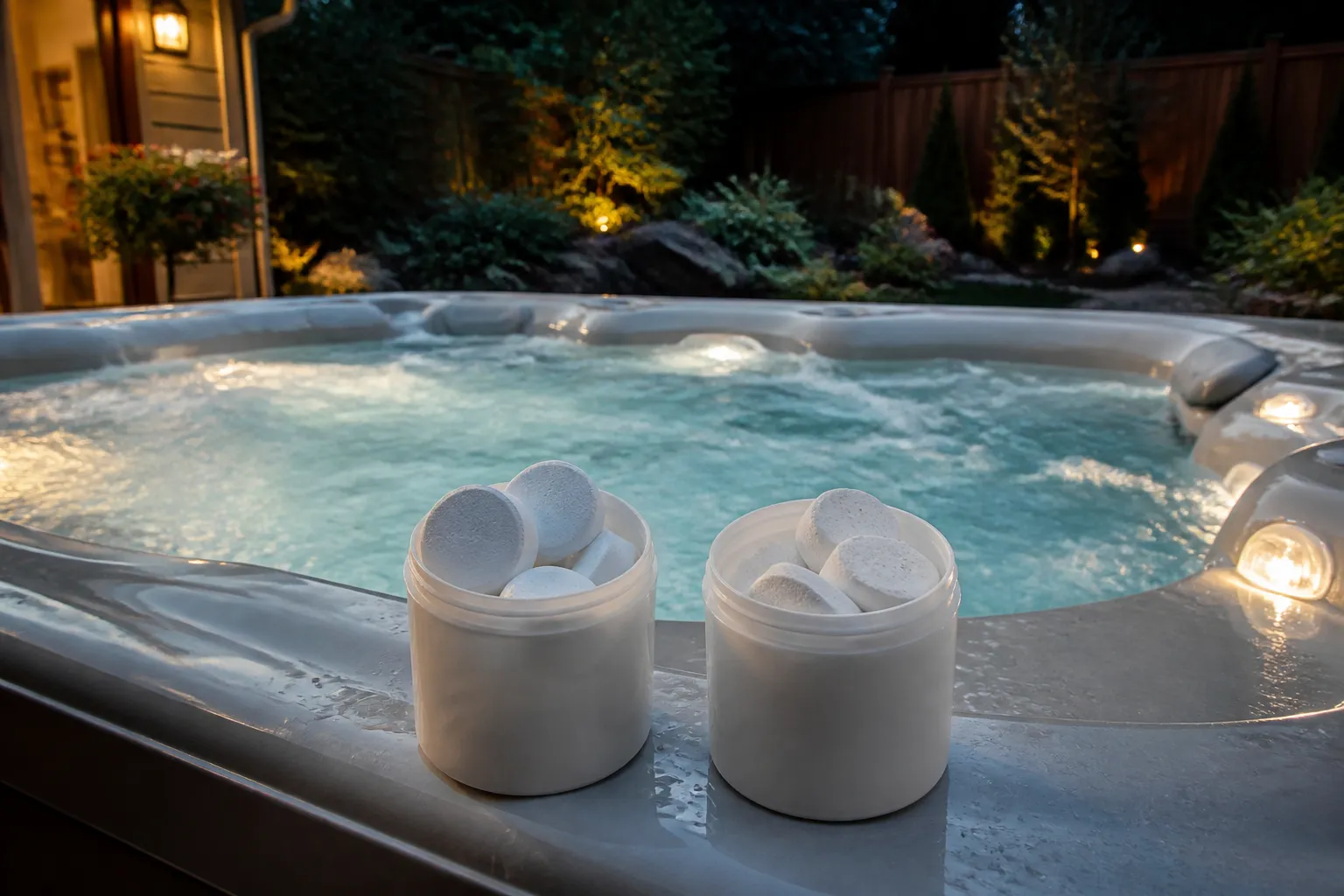
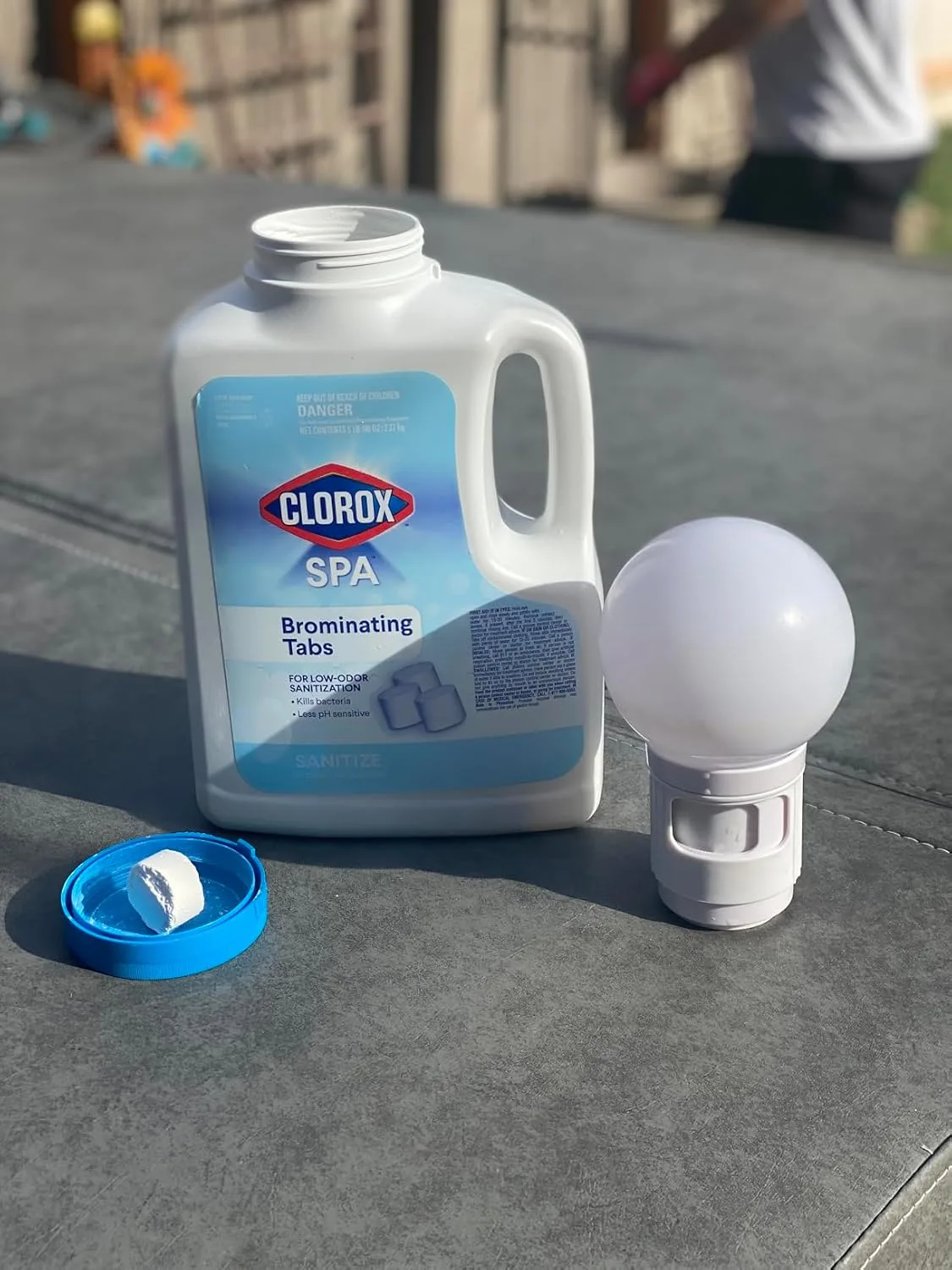
I almost switched back to chlorine after my first tablet lasted longer than expected and I second-guessed whether it was actually working—but a quick test strip proved the residual was exactly where it needed to be. That’s when I realized the real win: bromine tablets work so quietly you forget you’re treating your water at all. If you’re tired of chasing numbers and fighting chemistry, grab a bucket of Clorox® Pool&Spa™ Spa Bromine Tablets and give your hot tub routine the upgrade it deserves.
About This Article
Written by Nadia Caldwell. Backyard pool owner and water chemistry nerd. After years of chasing down cloudy water and algae blooms on my own pool and my neighbors', I now write about pool maintenance, water treatment, and everything chlorine-related for everyday pool owners. More about this site.
Scope and limits. Nadia is a pool owner who reads chemistry, not a certified pool professional. Follow label directions on every chemical, never mix them, and use a certified pool operator for equipment and sanitizer system work.
Verify this against a primary source
Specifics change, and your situation may differ from the one described here. These are the authorities worth checking directly:
- World Health Organization — guidelines for safe recreational water environments
- Pool & Hot Tub Alliance — water chemistry and pool operation standards