A free chlorine reading of 3 ppm at 102°F in a hot tub sounds acceptable until you test the combined chlorine — and watch it spike to 1.5 ppm or higher. That gap between the two numbers is telling you something critical: your sanitizer is degrading faster than your water chemistry can handle it, and your bathers are about to complain about red eyes and harsh chemical smell. This scenario plays out constantly, and it’s exactly why I stopped recommending chlorine for spas years ago.
My career in water chemistry spans more than a decade managing sanitation systems across resort facilities, municipal installations, and private communities throughout Arizona and Nevada. I’ve overseen hundreds of hot tub maintenance schedules, tested both bromine and chlorine in real-world conditions — 110°F Southwest summers, rotating bather loads, equipment failures — and developed strong, field-tested opinions on what actually works. The bromine-versus-chlorine question surfaces repeatedly, and almost every time, the person asking has been steered toward incomplete information. That’s what drives this breakdown: field experience with both sanitizers, side-by-side comparisons under demanding conditions, and a willingness to explain what the water chemistry is actually showing you — not what online forums claim.
My answer leans toward bromine for most residential and light-commercial spas. But the reasoning matters far more than the recommendation itself. Knowing *how* each sanitizer performs at heat and bather load will guide you toward the choice that keeps your water balanced, your maintenance predictable, and your guests comfortable.
Bromine vs Chlorine Hot Tub: The Core Chemistry Difference
Both bromine and chlorine attack pathogens by the same mechanism: they disrupt cell walls in bacteria, viruses, and algae spores. Beyond that foundational similarity, their behavior diverges sharply — especially once temperature climbs.
In pools operating at 78°F to 82°F, chlorine excels at maintaining a stable residual. Hot tubs, running between 100°F and 104°F, create an entirely different environment. Elevated heat accelerates the off-gassing of free chlorine molecules. Your residual depletes faster than you can dose it back. The combined chlorine (chloramines) that form at these higher temperatures are volatile and irritating — they’re what bathers detect as that harsh, acrid smell people wrongly attribute to “clean” water.
Bromine operates through a different chemical pathway. Its molecular structure remains stable at spa temperatures without rapid volatilization. When bromine reacts with organic matter, it forms bromamines — which retain sanitizing power. Chlorine forms chloramines that are essentially inert. Additionally, bromine carries an inherent pH of roughly 4.0, whereas chlorine sits near 7.0 to 7.5, meaning bromine exerts gentler pressure on your water balance. That distinction has cascading effects on your weekly maintenance routine.
Why Hot Tub Conditions Favor Bromine
Consider a situation I encountered last spring in a Scottsdale community. A residential HOA managed a shared 400-gallon spa with heavy weekend traffic. The property manager had relied on floating trichlor tablet dispensers, and residents were consistently reporting irritated eyes and overpowering chemical odor. Free chlorine tested in the acceptable 3–5 ppm range, which confused her — shouldn’t the numbers suggest clean water?
The culprit was combined chlorine, consistently measuring 1.5 ppm or higher. Chloramines, not free chlorine residual, generate that stinging sensation and smell. We transitioned to a bromine tablet feeder with a dedicated bromide foundation, and two weeks later, complaints vanished. Combined chlorine settled below 0.2 ppm. Identical bather load. Superior water quality. Resident satisfaction increased measurably.
Then there’s the pH instability that chlorine introduces — trichlor especially. Trichlor powder carries a pH of 2.8 to 3.0, making it extremely acidic. Each dose crashes your spa’s pH, forcing you into a continuous balancing cycle. You chase alkalinity adjustments week after week in a small 400-gallon body of water. Bromine tablets, sitting closer to neutral pH, demand far fewer corrective additions. The cumulative effect is maintenance that becomes predictable instead of reactive.
When Chlorine in a Hot Tub Actually Makes Sense
I want to present the full picture, because there are genuine scenarios where chlorine deserves consideration. Dichlor — the sodium dichloroisocyanurate compound — is the chlorine form most compatible with spa water. It dissolves rapidly, hovers near pH 6.7 (relatively neutral), and doesn’t create problematic residue buildup.
Light-use personal spas fit this profile: a couple soaking once or twice weekly, cover in place most days, minimal organic load entering the water. Under those conditions, dichlor’s off-gassing is manageable. If you already maintain a stock of dichlor tablets and have established a functional routine, a wholesale shift isn’t automatically justified by economics or effort.
However, I made a costly error earlier in my career that shaped my thinking permanently. A small resort plunge pool — straddling the line between heated pool and spa — received trichlor tablets for stabilization purposes. Within 60 days, cyanuric acid had accumulated to 104 ppm. At that concentration, chlorine molecules become “locked” — they can’t sanitize effectively, a condition called chlorine lock. We drained and refilled roughly 800 gallons at a cost exceeding $200, lost a full operational day, and scrambled to adjust schedules. That lesson stuck: never dose trichlor into a heated vessel.
The Cyanuric Acid Problem with Chlorine in Spas
This deserves explicit attention. NSF/ANSI Standard 50 governs equipment and chemical performance across pools and spas. Most regional health authorities across the Southwest enforce a 100 ppm ceiling on cyanuric acid — and several prohibit stabilized chlorine entirely in commercial spa applications. Before committing to a chlorine-based program for a shared community spa, consult your local health code. Arizona and Nevada both maintain explicit spa water quality mandates that may restrict your sanitizer choices depending on facility type and bather volume.
Selecting Bromine Tablets That Transform Spa Maintenance Into a Manageable Rhythm
Once you commit to bromine for your spa, the product itself determines whether maintenance becomes straightforward or turns into an endless guessing game. A quality bromine system delivers consistent dissolution and predictable dosing, eliminating the weekly surprises that frustrate spa owners.
What works
- Tablets engineered for gradual release mean you’re not replenishing product obsessively — on my 500-gallon unit, one tablet lasts the entire week without constant fiddling.
- Bromine maintains sanitizing force across wide temperature swings, so your 102°F soak remains protected without potency loss partway through.
- Absence of harsh chloramine odor and eye irritation means your guests experience genuinely pleasant water — they’ll return voluntarily instead of dreading the spa.
What doesn’t
- Initial tablet cost outpaces chlorine alternatives, and without proper baseline water chemistry, you risk throwing money at a problem before diagnosis happens.
- Monitoring bromide reserves requires a dedicated test kit — an additional equipment expense that chlorine operators often overlook when budgeting.
I almost gave up on bromine after my first attempt went sideways because I skipped the alkalinity adjustment step—but switching to a quality tablet product and dialing in my baseline chemistry first saved the whole system. Clorox® Pool&Spa™ Spa Bromine Tablets (1.5 lb) is exactly what I reach for now when I’m setting up a client’s spa or maintaining my own.
This post contains affiliate links. As an Amazon Associate, I earn from qualifying purchases at no extra cost to you.
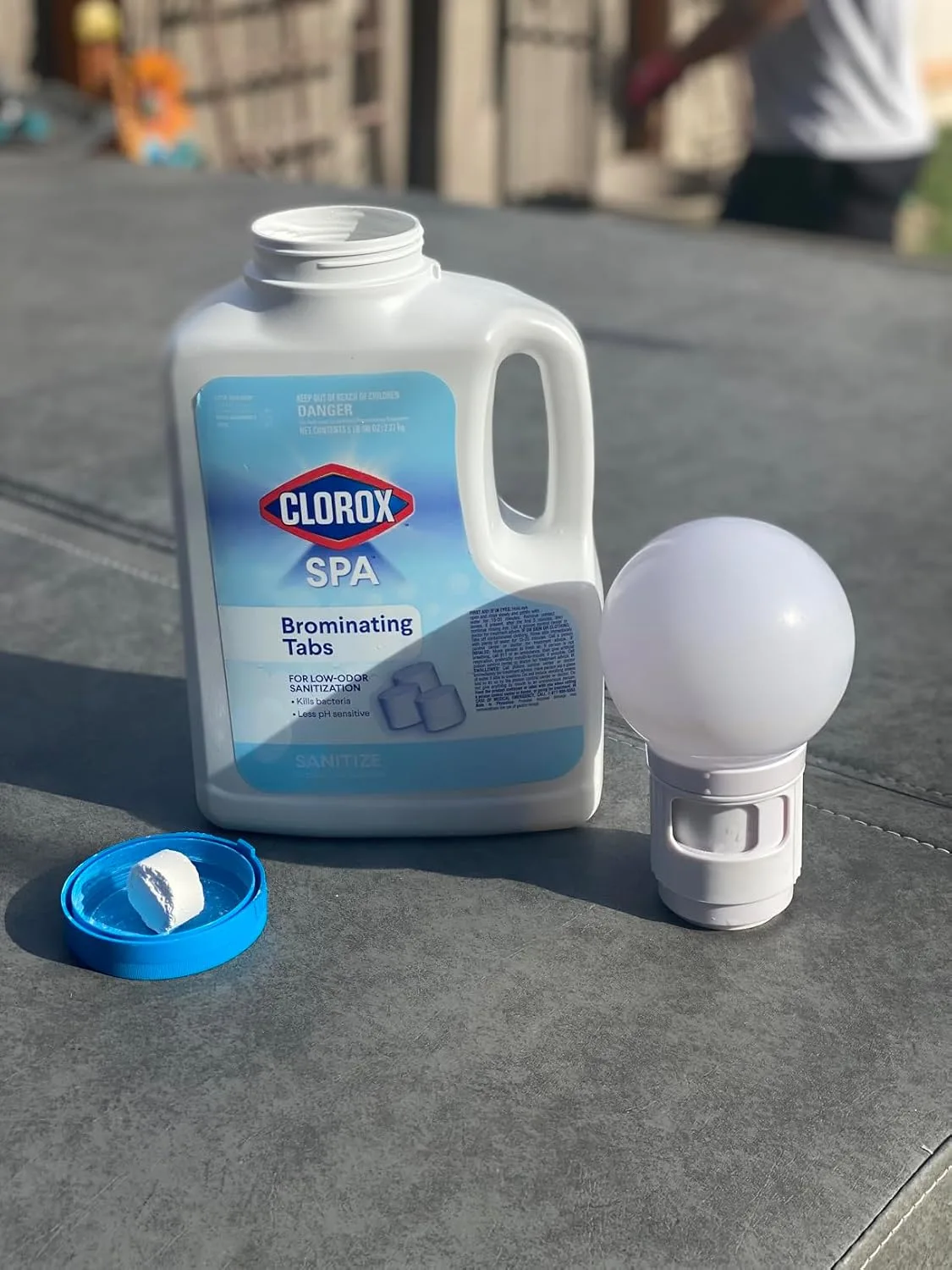
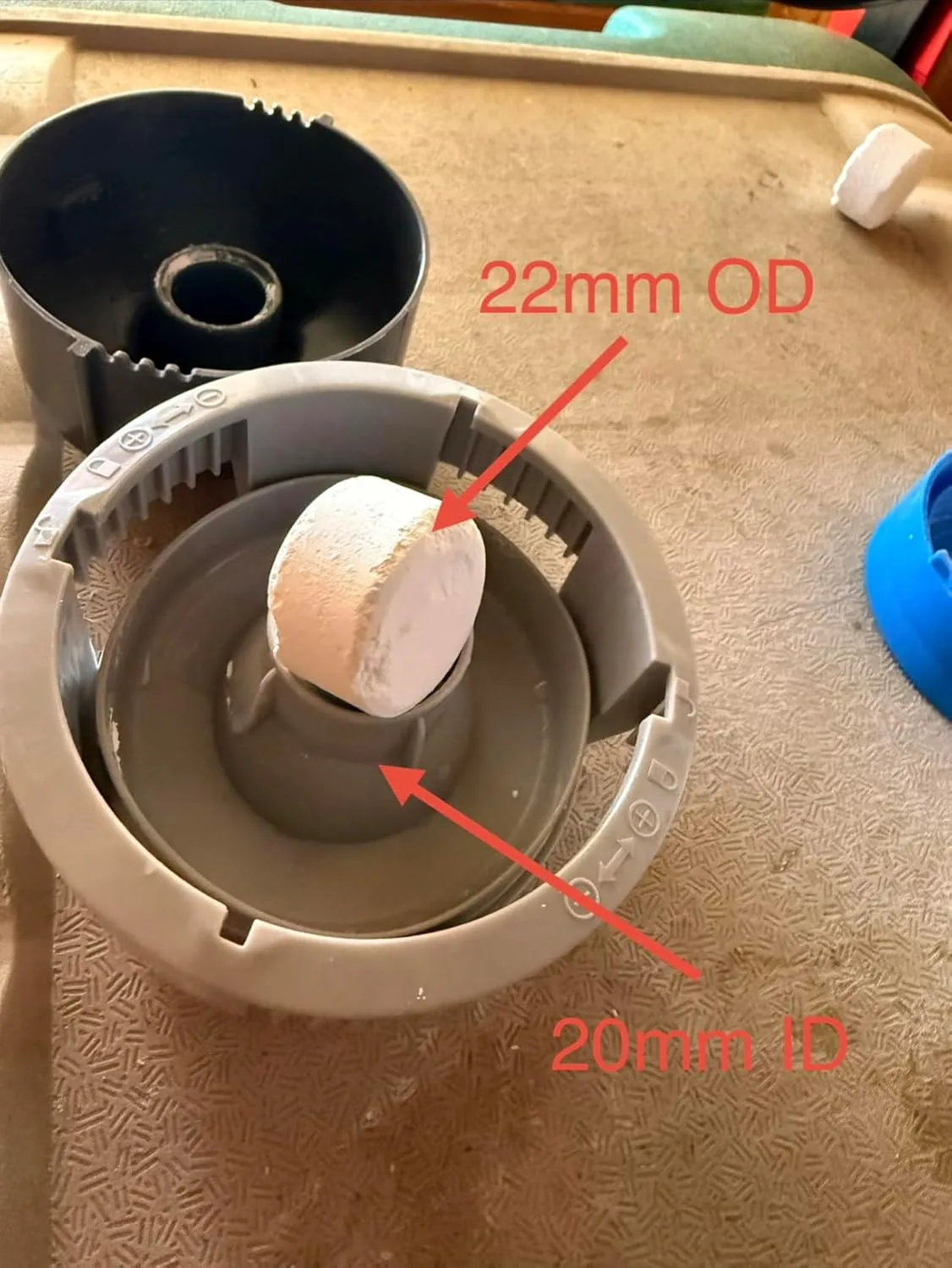
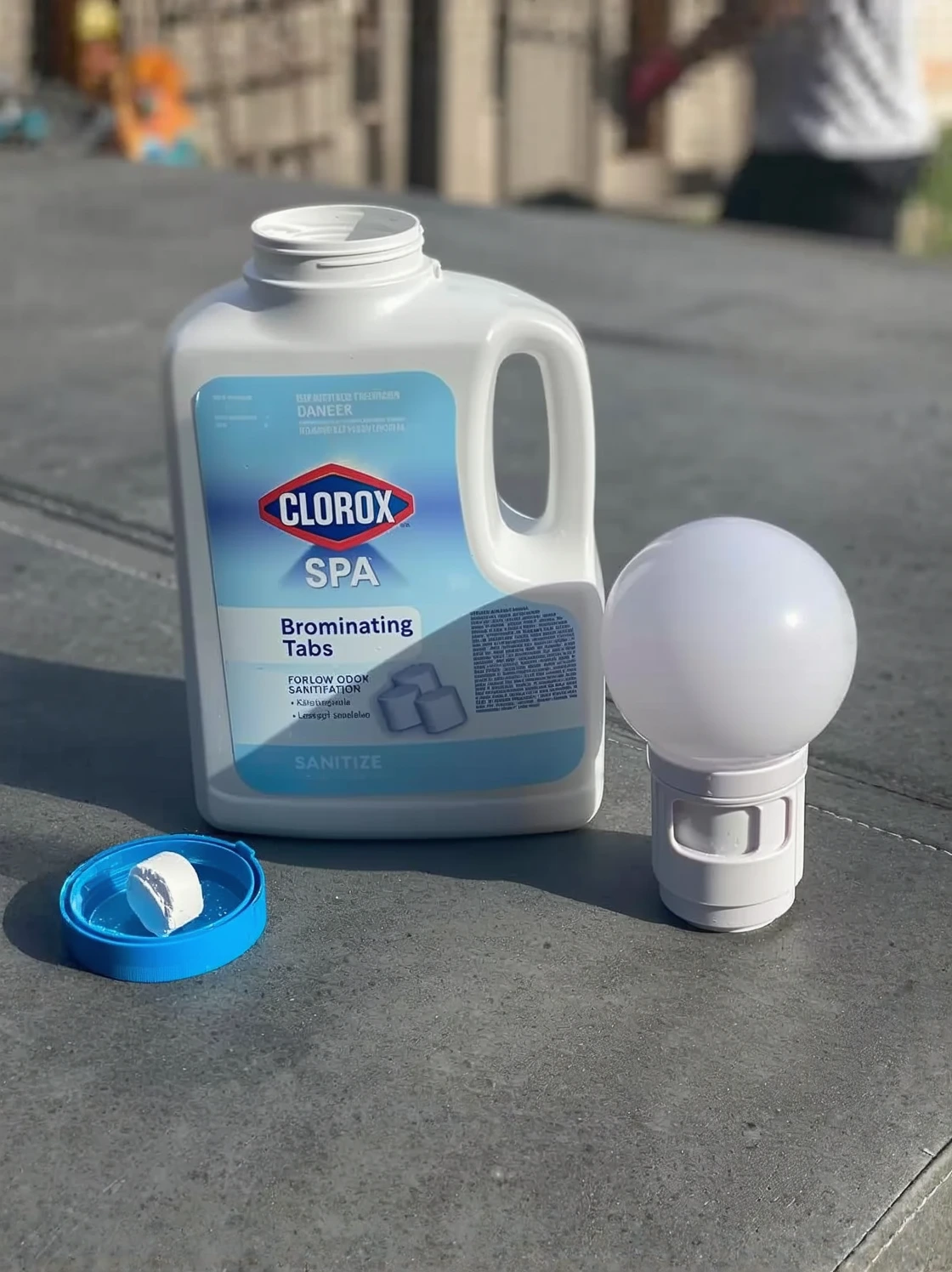
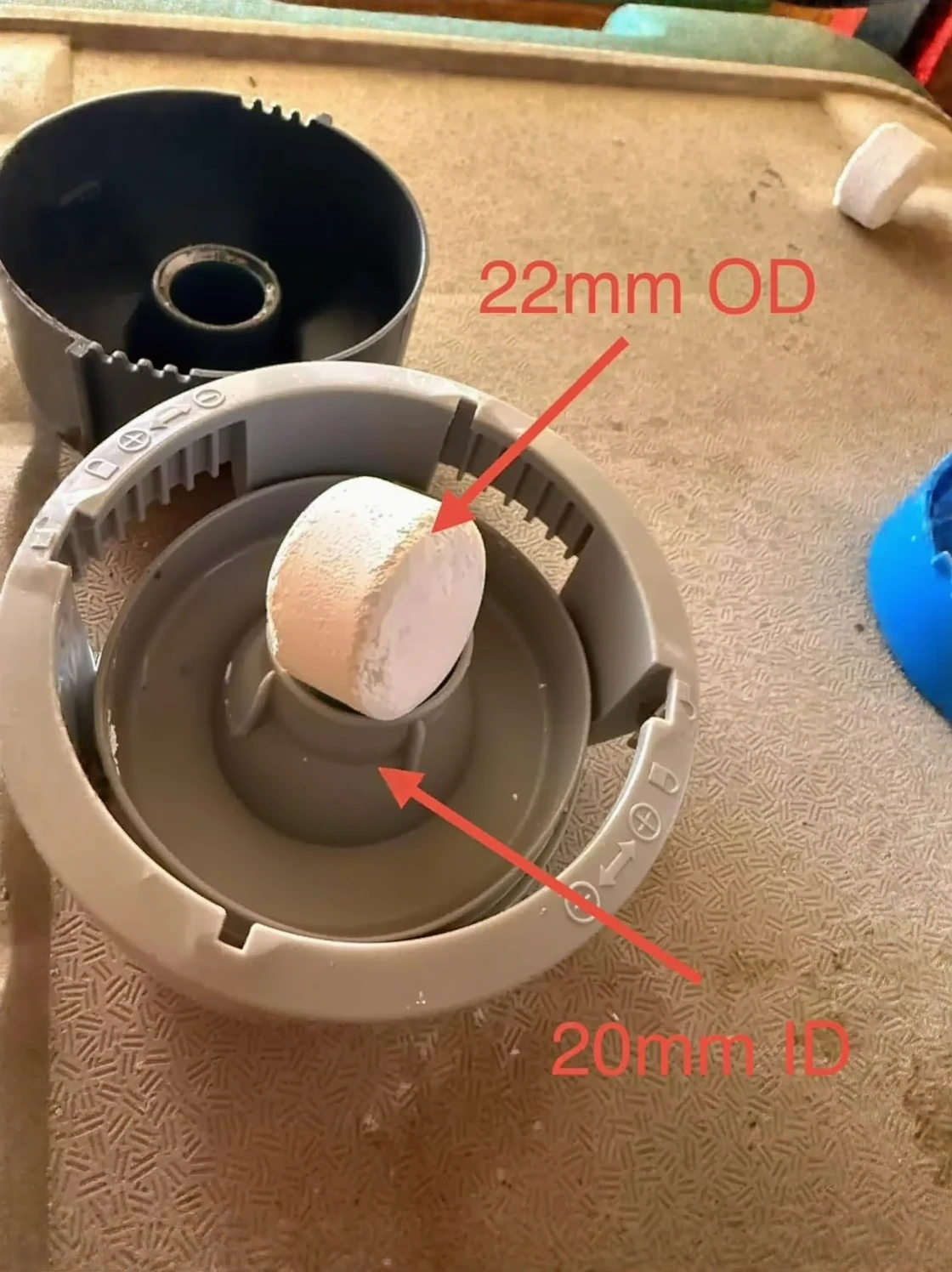
Clorox® Pool&Spa™ Spa Bromine Tablets (1.5 lb)
I use these tablets because I don’t have to adjust my bromine every few days like I did with chlorine.
Check Price on Amazon →