Your pool’s eye-stinging reputation may have nothing to do with excess chlorine—and everything to do with chemistry you’re not actually measuring. Back in the middle of a Scottsdale summer, I showed up at a resort dealing with guest complaints about irritation that had persisted for days. The maintenance crew had their numbers in front of me: 3.0 ppm total chlorine, which they defended as solid coverage. Then I pulled out my own equipment and ran the breakdown they’d skipped. Free chlorine registered at 0.8 ppm. Combined chlorine had climbed to 2.2 ppm—the sneaky compounds that sting eyes and create that chemical reek. The resort wasn’t chlorine-heavy at all. It was running on fumes, sanitizer-wise. That one test result shifted how I understood water chemistry from that day forward.
Many operators treat chlorine as interchangeable—drop in tabs, glance at a test strip, finish the day. My years in the field taught me that oversimplification creates more headaches than nearly anything else. Knowing how free, combined, and total chlorine differ is the foundational skill that changes everything. It’s not rocket science once someone breaks it down properly—which is what this post exists to do.
What Free Chlorine Actually Means
Free chlorine (FC) is your pool’s working sanitizer. More precisely, it’s the chlorine molecule that hasn’t bonded with contaminants yet—it’s loose, available, and actively fighting pathogens. This is the form that eradicates harmful bacteria, breaks down algae spores, and maintains water safety. Public health standards from the CDC and Model Aquatic Health Code both call for a minimum of 1.0 ppm free chlorine in pools, though most residential operators shoot for 2.0–4.0 ppm and commercial facilities maintain 3.0–5.0 ppm.
Free chlorine takes on two distinct chemical identities: hypochlorous acid (HOCl) and hypochlorite ion (OCl⁻). Hypochlorous acid carries the real punch—it’s the aggressive form, fast-acting, and dominates your FC pool at lower pH readings. This connection between pH and chlorine efficacy is why I treat the two as inseparable partners. Push your pH to 7.2, and roughly 66% of your FC exists as hypochlorous acid. Let pH climb to 7.8, and that share drops to around 33%. The number on your test kit doesn’t change, but its actual disinfecting muscle shrinks by half.
Combined Chlorine: The Problem Hidden in Your Test Results
Combined chlorine (CC) is born when free chlorine collides with organic debris—sweat, urine, cosmetics, body oils, dirt—that contains nitrogen. The reaction produces chloramines. Monochloramine, dichloramine, and trichloramine are the three main varieties. They’re feeble sanitizers and strong irritants. Trichloramine particularly stands out because it becomes a gas, which escapes the water surface and creates that sharp, acrid chemical odor you notice around indoor facilities.
Most people get this backward: that intense chlorine stench you detect indicates *insufficient* working chlorine, not an overload. The odor is trichloramine volatilizing. From what I’ve seen, the best-run pools produce barely any smell at all. The Model Aquatic Health Code caps combined chlorine at 0.4 ppm for public pools, and I apply that same ceiling to residential clients. Once CC surpasses 0.4 ppm, that’s your signal to shock.
A Tempe homeowner called me out last spring because his swimmers were dealing with eye discomfort after every session. He’d been conscientious about chlorine tablets, so his total chlorine sat right around 4.0 ppm. Dig into the details, though, and free chlorine was only 1.5 ppm—meaning 2.5 ppm of his total was tied up in combined chlorine. I treated him with a superchlorination shock, bringing free chlorine to ten times the combined reading, which destroyed the chloramine bonds. Twenty-four hours later, the eye irritation vanished.
Understanding the Free vs Combined Chlorine Pool Test
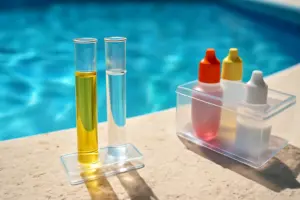
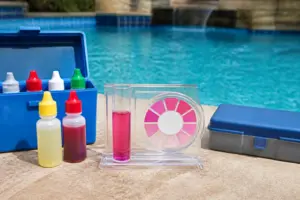
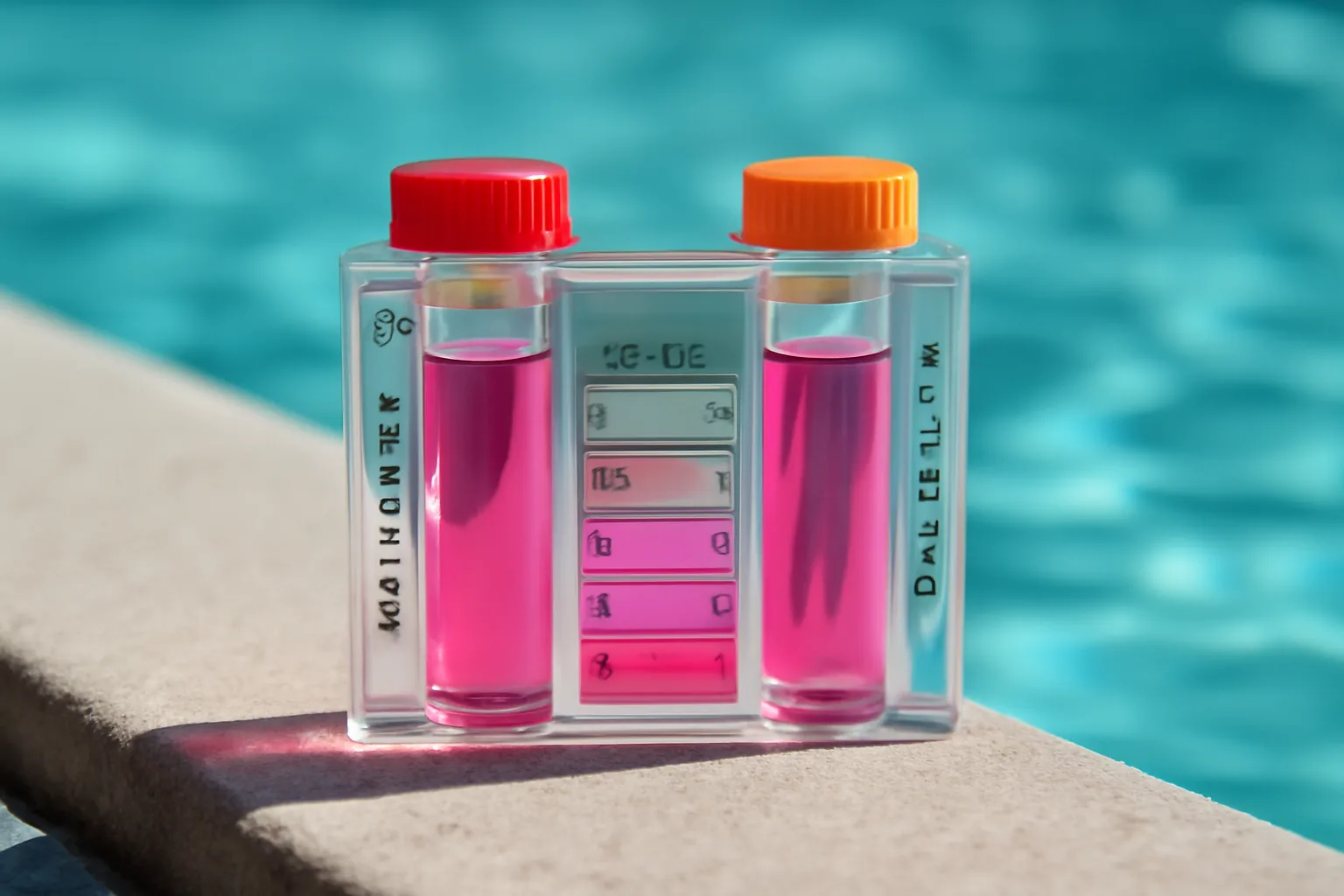
A complete free vs combined chlorine pool test relies on a chemical method called DPD—diethyl-p-phenylenediamine. Reputable liquid test kits contain this reagent. The testing sequence unfolds like this:
- Step 1 — Free Chlorine: Introduce DPD #1 into your water sample. The reagent binds only to free chlorine, producing a pink tint. Match it against your color scale to establish your FC value.
- Step 2 — Total Chlorine: Drop DPD #3 into the same sample. This compound reacts with FC and CC together. Match the new color to determine your TC measurement.
- Calculate Combined: The math is simple: TC − FC = CC. That difference is your combined chlorine number.
This is why basic test strips disappoint for serious chemistry work. Most commodity strips give you only total chlorine. Without a distinct free chlorine result, you can’t derive a combined chlorine number. Strips are fine for casual monitoring. When you’re hunting down why your water smells bad or makes eyes burn or turns cloudy, you absolutely need a proper DPD liquid kit.
Reading the Numbers: What the Results Actually Mean
Here’s the interpretation guide I carry into every job:
- FC: 2.0–4.0 ppm, CC: below 0.4 ppm — Perfect operating range. Water is appropriately sanitized.
- FC: below 1.0 ppm — Sanitization deficit. Dose chlorine right away.
- CC: 0.4–1.0 ppm — Borderline condition. Initiate a shock within the next 24 hours.
- CC: above 1.0 ppm — Emergency state. Execute shock immediately, then retest in 4–6 hours.
- TC high, FC low — The Scottsdale pattern. Heavy chloramine buildup. Apply intensive shock protocol.
The Test Kit That Finally Exposed What My Numbers Were Actually Hiding
This is the tool I wish I’d owned during that resort visit. A total chlorine figure standing alone doesn’t cut it—you need the separation between free and combined to know whether your pool is genuinely protected or merely appearing safe on paper.
What works
- The extended range lets you capture readings even on badly degraded pools exceeding 10 ppm without requiring sample dilution—I’ve tested rough conditions and gotten reliable results consistently.
- The color-comparison approach for distinguishing free from combined is straightforward enough that even staff trained incorrectly can master it in a single training session.
- The build quality survives both weekly residential checks and daily commercial schedules—my kit has endured three years of poolside exposure and neglectful storage practices.
What doesn’t
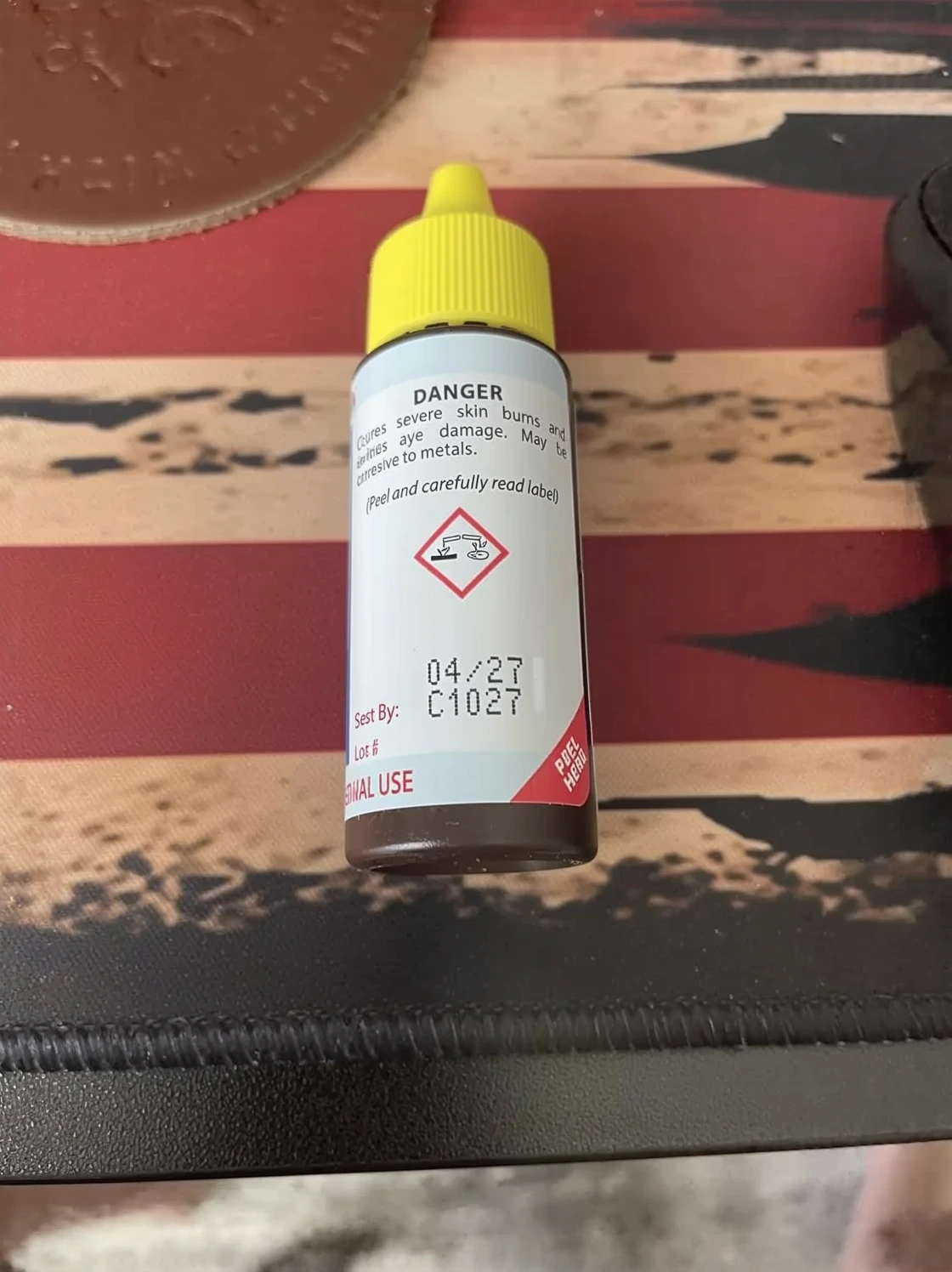
- The reagent vials are fragile and deplete over time—you’ll need to earmark funds for replacement bottles, which compounds the overall ownership cost.
- Low-light conditions make color comparison unreliable; I’ve had to retreat indoors or test during midday hours to confidently read borderline values.
I nearly threw mine in the trash after my first cloudy afternoon test came back inconclusive, convinced it was junk. But the moment I used it in proper sunlight and actually *saw* the difference between my free and combined numbers, it became the most valuable $30 investment I’d made in pool care. Grab the Taylor K2005 High Range Swimming Pool Total and Free Chlorine Test Kit and stop flying blind on your chemistry.
This post contains affiliate links. As an Amazon Associate, I earn from qualifying purchases at no extra cost to you.
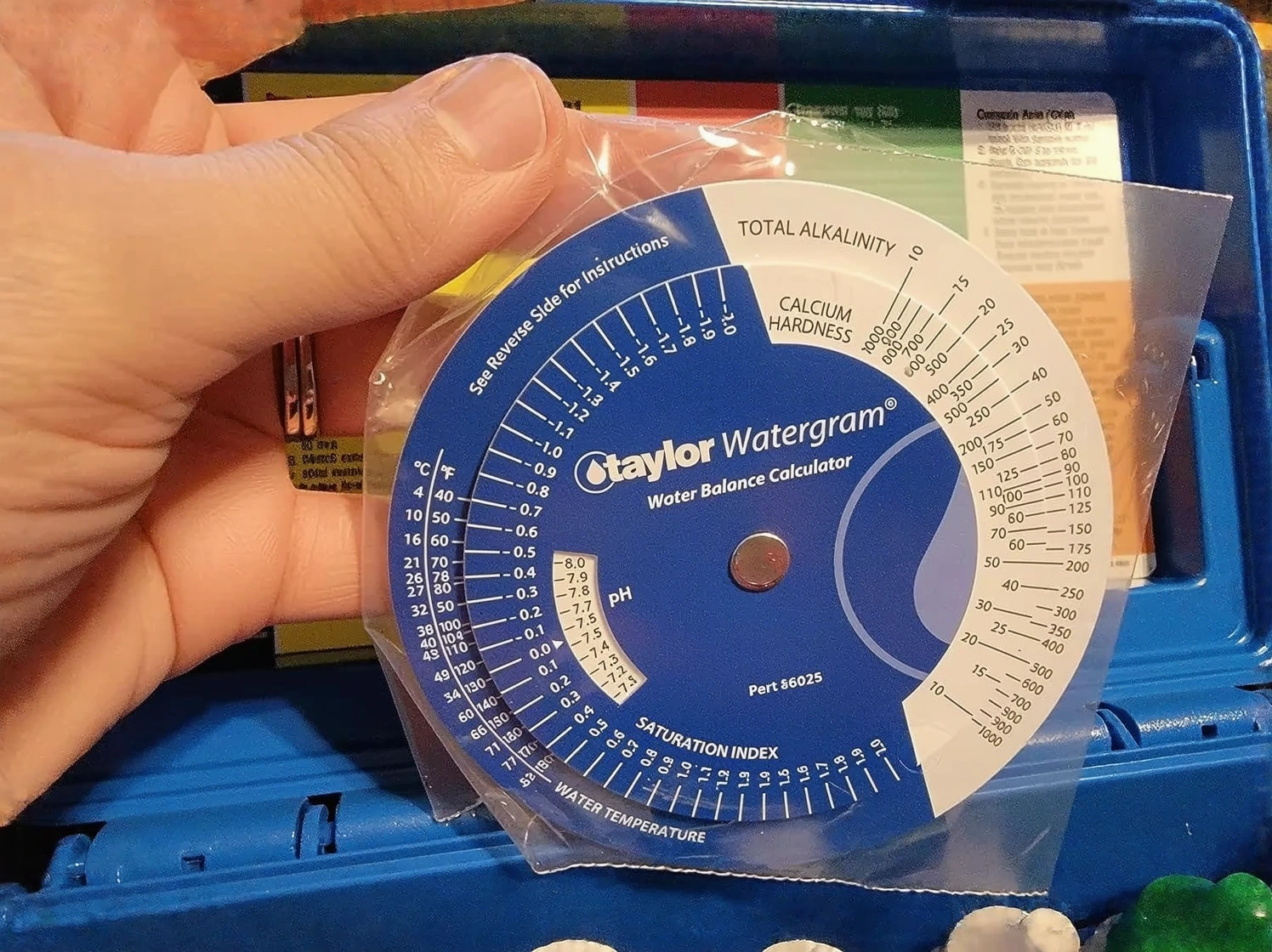
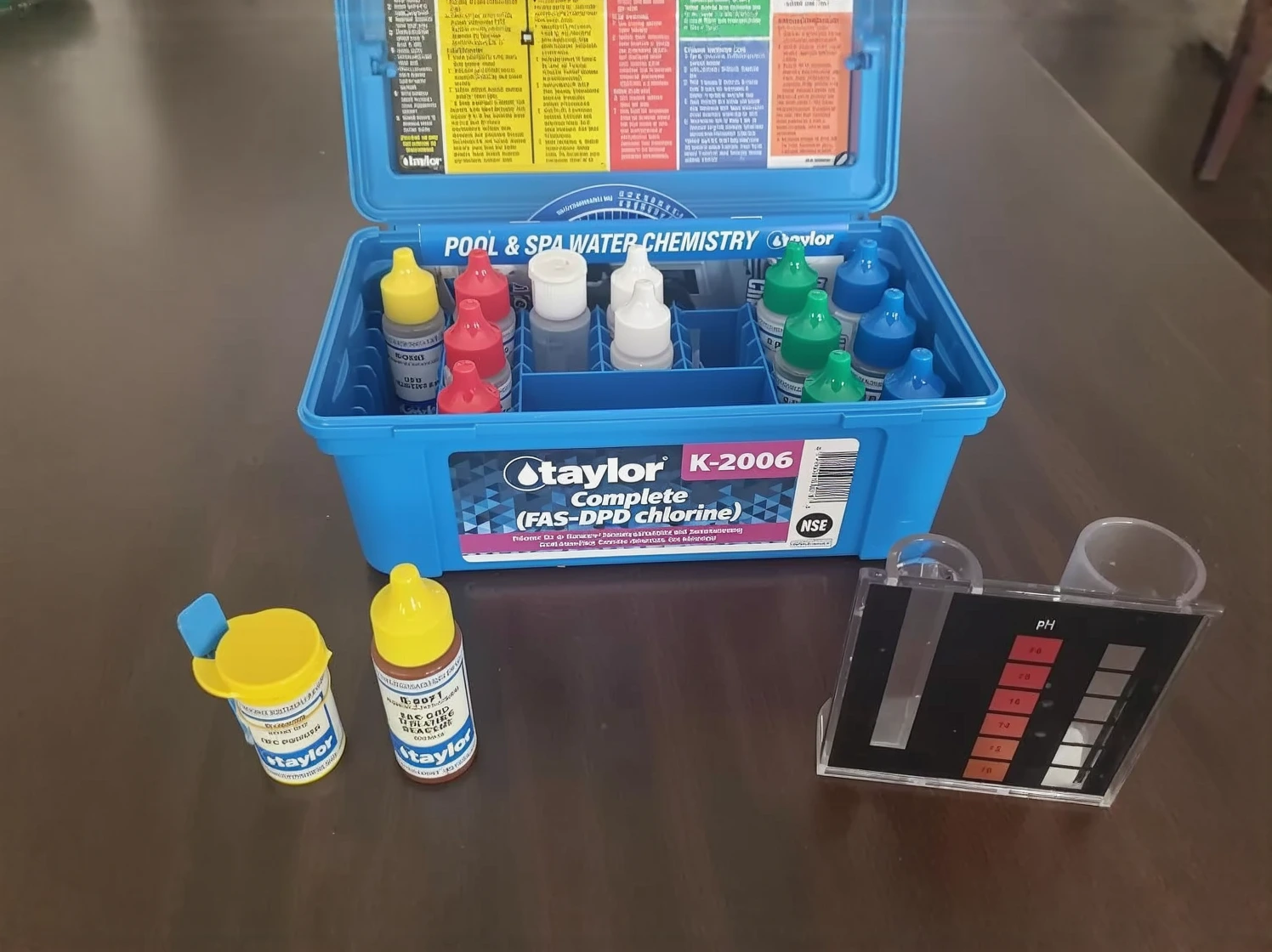
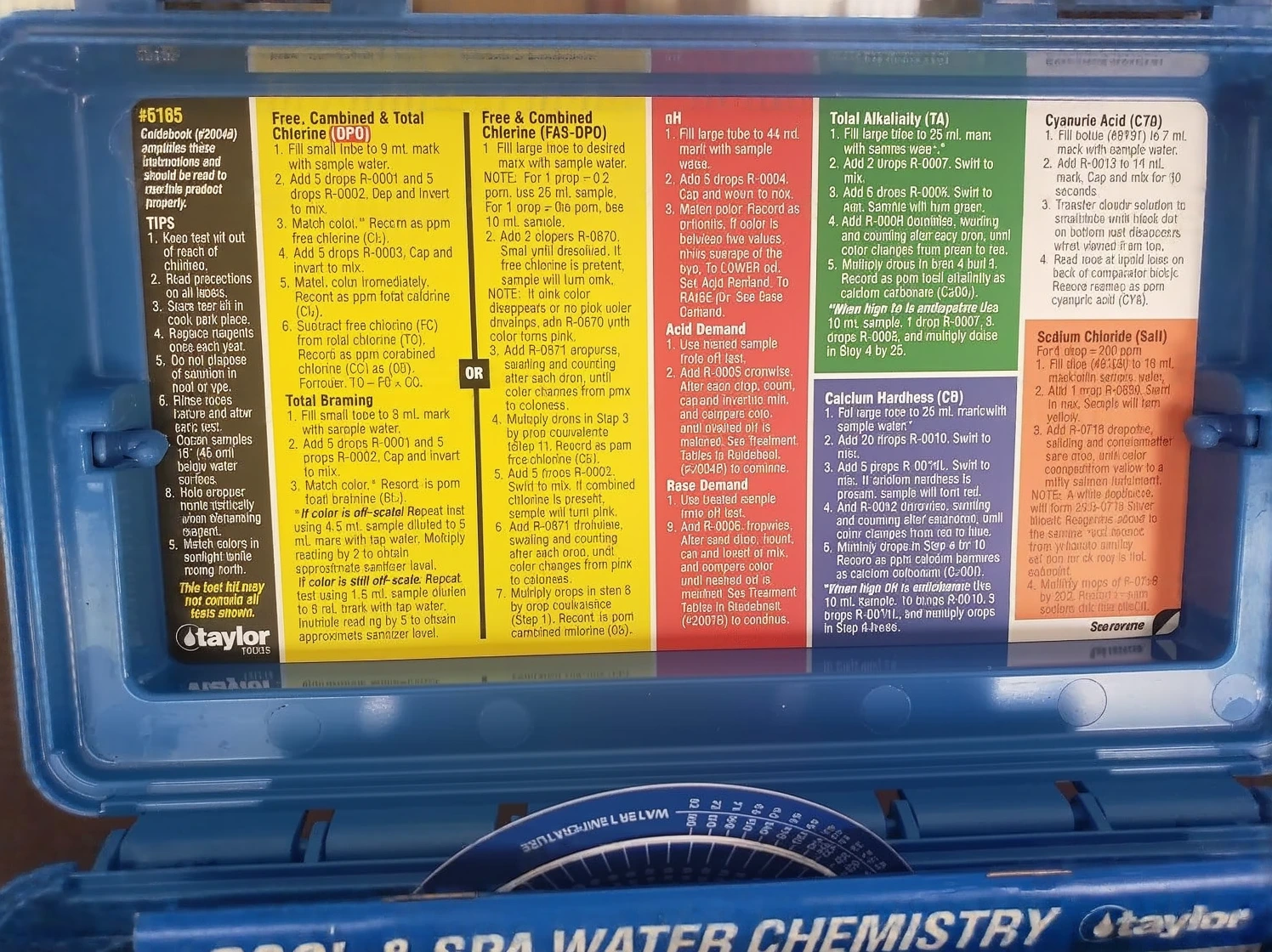
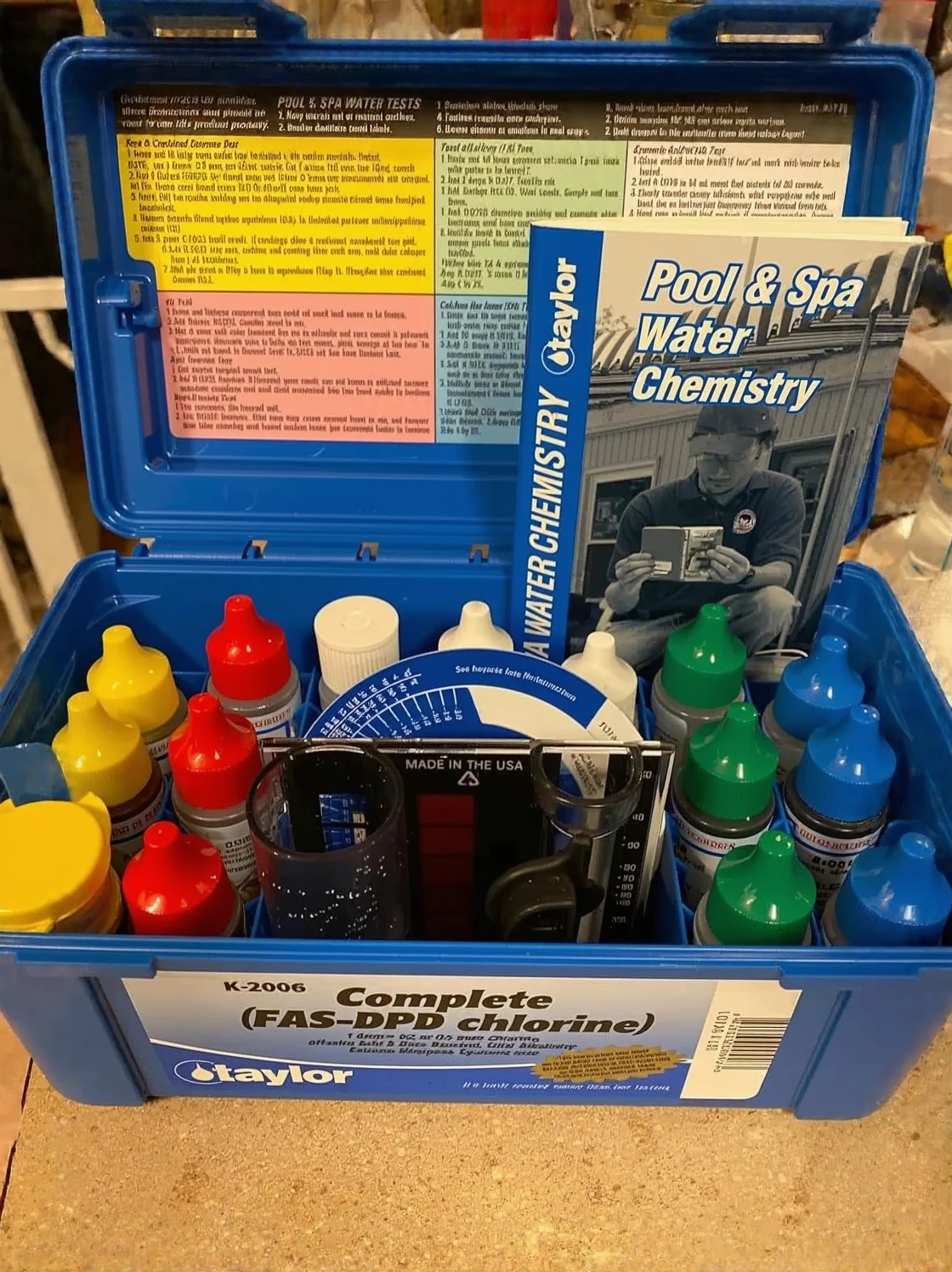
Taylor K2005 High Range Swimming Pool Total and Free
I’ve used it on pools over 10 ppm and got clear readings every time without dilution.
Check Price on Amazon →