Last summer, a homeowner in my HOA service area called me in a panic. She’d just spent $180 on a suction-side automatic pool cleaner, installed it herself, and three weeks later her pump basket was clogged with debris, her filter pressure had spiked 8 PSI above normal, and she had a repair bill forming. The pool store had never asked her what kind of debris her pool collected. She had a massive oak tree overhanging the deep end. That cleaner was the wrong tool entirely. I’ve seen this exact scenario play out more times than I can count — and honestly, it comes down to one question that almost nobody asks before they buy: suction side vs pressure side pool cleaner, which one actually fits your pool? If you’re standing in that store aisle right now, or scrolling through Amazon at midnight trying to figure it out, this breakdown is for you.
Why Choosing the Wrong Automatic Cleaner Is Worse Than Having None at All
I manage pools for resorts and HOA communities across the Southwest, which means I’ve dealt with everything from fine Sonoran Desert dust settling on pool floors to massive debris loads from cottonwood trees dropping cotton in May. What I’ve learned is that the wrong cleaner doesn’t just fail to clean — it actively creates new problems. And those problems cost real money.
Here’s what actually happens when you run a mismatched cleaner. A suction-side unit connected to a pool with heavy leaf loads will shred those leaves through the impeller, sending debris straight into your filter. Sand filters get clogged faster, requiring backwashing two or three times as often. Cartridge filters can clog so severely that you’re replacing a $60–$120 cartridge every two months instead of every season. Over the course of a year, that’s $240–$480 in filter media alone — far more than the price difference between cleaner types.
There’s also pump wear to consider. A suction-side cleaner restricts flow through your skimmer port, which can cause your pump to cavitate — essentially pulling air instead of water — if the throat of the cleaner isn’t seated perfectly or the diaphragm starts to wear. Running a pump in cavitation even occasionally shortens its lifespan significantly. Replacing a variable-speed pool pump runs $600–$1,200 installed. That math gets ugly fast.
On the pressure side, a poorly matched cleaner running without adequate return pressure will just wander aimlessly, leaving half the pool floor untouched. Your chlorine demand stays elevated because decomposing organic matter on the floor — algae food, essentially — keeps building up. I’ve seen pools with a “working” automatic cleaner still develop algae blooms because coverage was only 60% of the floor. You end up adding an extra 2–3 ppm of chlorine weekly to compensate, which adds up to roughly $30–$50 in extra chemical costs per month during peak season.
The short version: buying the wrong cleaner is an expensive mistake that keeps costing you. Let’s make sure you buy the right one.
Suction Side vs Pressure Side Pool Cleaner: A Clear Breakdown of Both Types
Before we talk about what to look for in a suction-side cleaner specifically, let me give you an honest side-by-side comparison of both types — because understanding how each one works is the only way to make a confident decision.
How Suction-Side Cleaners Work
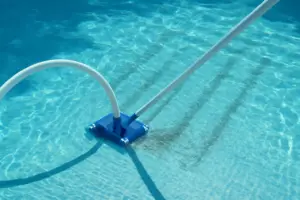
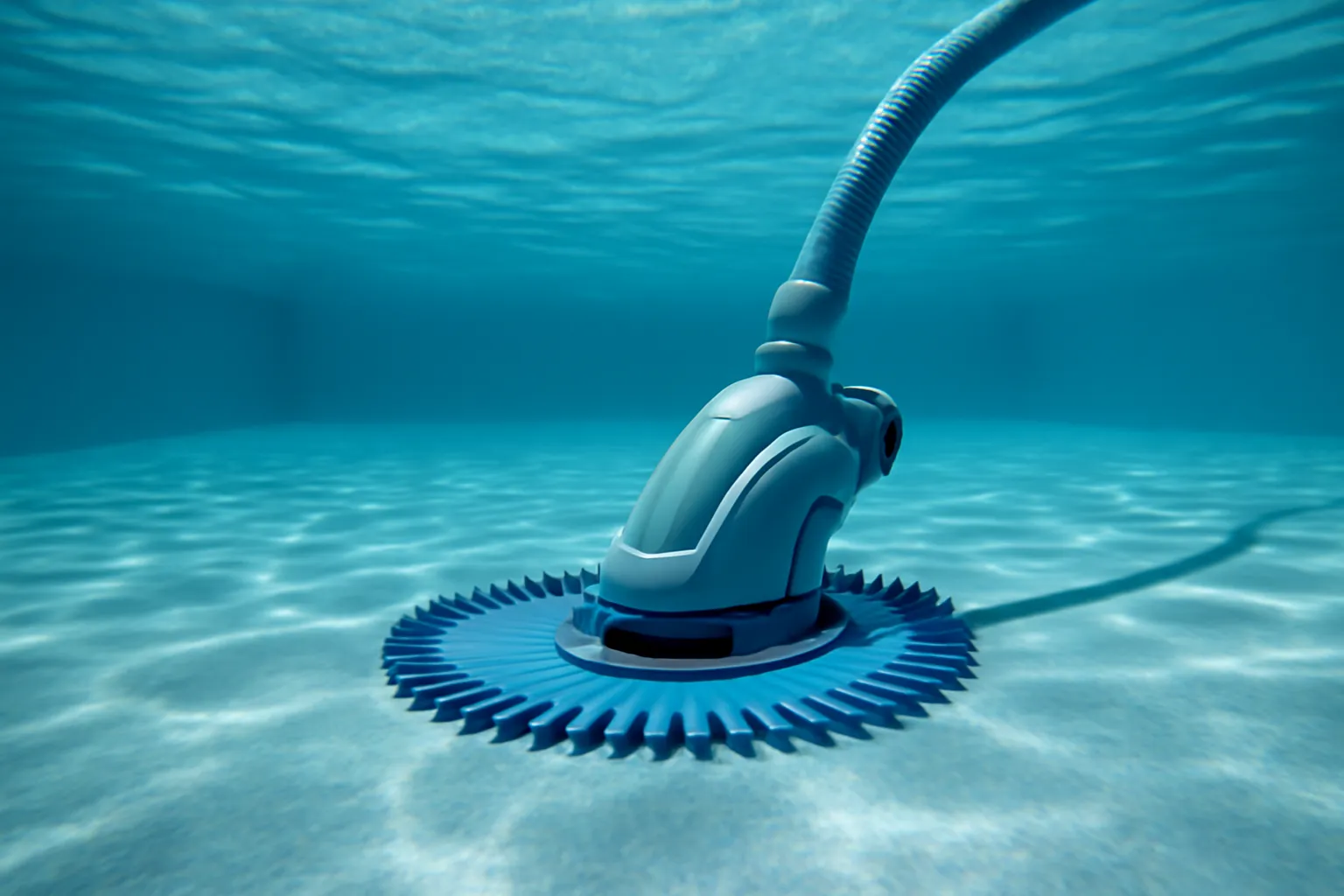
A suction-side cleaner connects to your skimmer port or a dedicated suction port on the side of your pool wall. It uses the vacuum power your existing pool pump already generates to move around the pool floor and walls, sucking debris through a hose and into your pump basket and filter. There’s no separate motor, no booster pump, no extra electricity. The cleaner itself is basically an ingenious series of deflector plates and a diaphragm or turbine that converts water flow into random directional movement.
Suction-side pool cleaner pros and cons at a glance:
- Pro: Most affordable option — quality units run $100–$300
- Pro: Uses equipment you already own — no additional installation needed
- Pro: Simple to install and maintain — most homeowners can do it themselves in under 15 minutes
- Con: All debris passes through the pump and filter, which can clog faster
- Con: Reduces pump efficiency while running — your pump is working harder for the same output
- Con: Struggles with large debris like whole leaves, acorns, or twigs
- Con: Adds some wear to pump over time
How Pressure-Side Cleaners Work
A pressure-side cleaner — sometimes called a pressure cleaner or booster-pump cleaner — connects to your return jet and uses water pressure (rather than suction) to propel itself around the pool. It sweeps and vacuums debris into its own onboard collection bag, completely bypassing your pump and filter system. Some models run off the existing return pressure; others require a dedicated booster pump.
Pressure-side cleaner pros and cons:
- Pro: Debris stays in the cleaner’s own bag — doesn’t strain your pump or filter
- Pro: Handles larger debris like whole leaves much better
- Pro: Scrubs the pool floor while moving, which helps with algae prevention
- Pro: Doesn’t reduce your main pump’s efficiency
- Con: More expensive — $200–$500+ for the cleaner itself
- Con: Many models require a booster pump, adding $300–$500 installed
- Con: More moving parts — wheels, belts, and bags need regular checking
There’s also a third category worth a quick mention: robotic cleaners. These are completely independent of your pool’s plumbing — they plug into a standard outlet, have their own internal pump and filter, and crawl around the pool on their own schedule. They’re the most effective option and the most expensive ($500–$1,500+), but they belong in their own conversation. For this post, we’re staying focused on the suction-vs-pressure decision.
The honest decision framework I use with every pool owner I consult: If your pool collects mostly fine debris — sand, dirt, pollen, small grit — and you’re budget-conscious, a suction-side cleaner is the smarter buy. If your pool is surrounded by trees and collects heavy leaf loads regularly, invest in a pressure-side system. The debris type matters more than the price difference.
What to Look For in a Suction-Side Pool Cleaner (And Why the Zodiac MX6 Stands Out)
If your debris situation points you toward a suction-side cleaner, the quality range within that category is wide. A $79 off-brand unit and a $250 engineered cleaner both connect to your skimmer — but they behave very differently in the water. Here’s what actually separates a good suction-side cleaner from one that will frustrate you within a season.
Coverage Pattern
Cheap suction cleaners use a simple random-bounce pattern that leaves dead zones — typically corners, steps, and the area right along the walls. Better units use engineered deflection geometry or even a programmed navigation algorithm to maximize floor coverage. For a standard 16×32 inground pool, you want a cleaner that achieves at least 80% floor coverage per cycle. Anything less and you’re still vacuuming manually every week.
Maneuverability on Curves and Walls
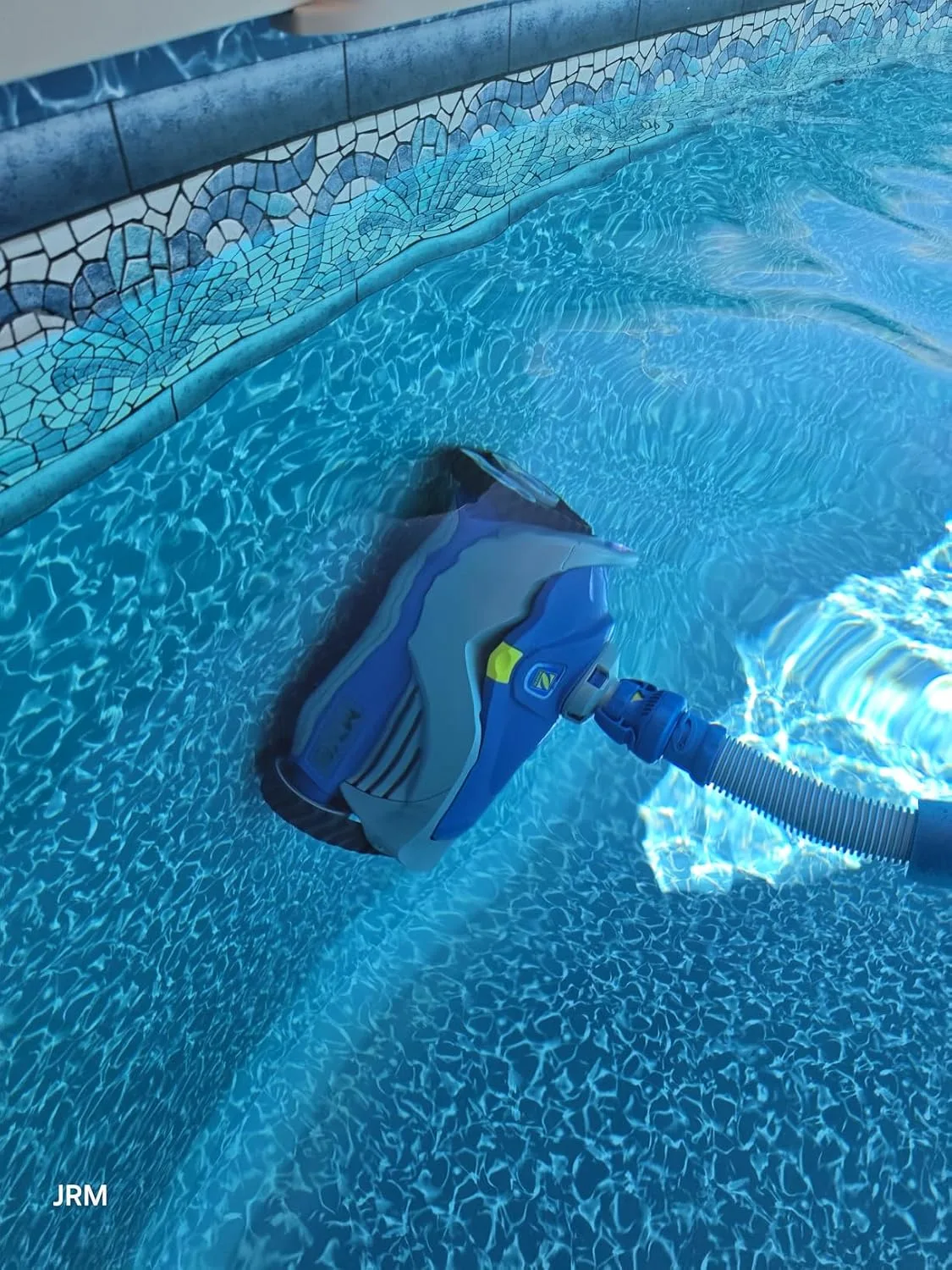
If you have a freeform pool, a kidney shape, or a pool with tight curves, the cleaner needs to articulate well. Rigid-body cleaners will get stuck constantly. Look for units with flexible hinging, multi-directional drive mechanisms, or specialized track designs that hug curves.
Hose Quality and Length
The hose is almost always the first thing to fail. Look for UV-resistant, kink-resistant hose material. The hose should reach from the skimmer to the farthest point of your pool floor with about 12 inches of slack — not tight, not so loose it tangles.
The Suction-Side Cleaner That Actually Handles Leaf Load Without Suffocating Your Filter
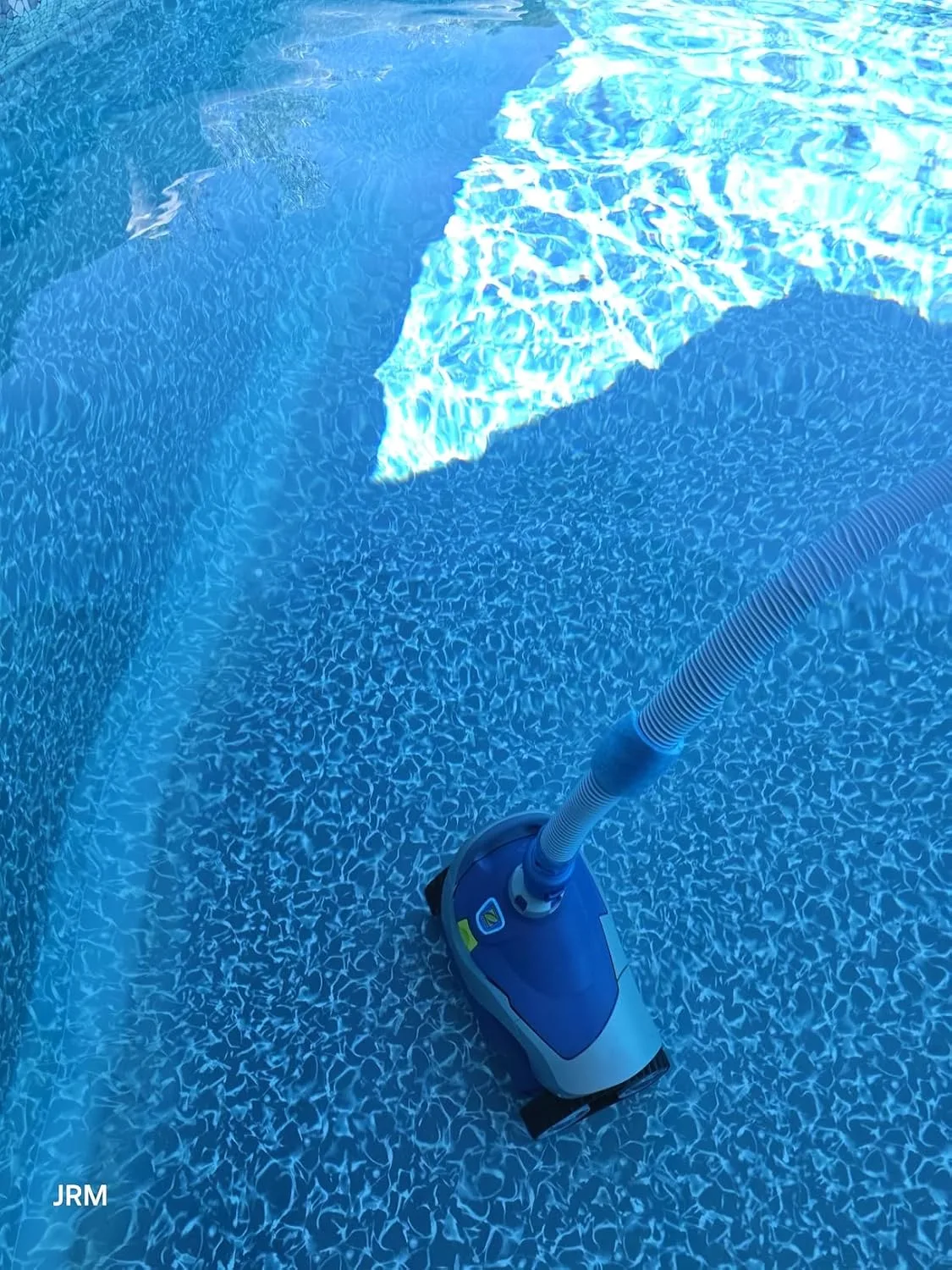
If your pool sits under trees or catches a lot of surface debris, a suction-side cleaner can either be your best friend or your worst nightmare—it depends entirely on whether it’s designed to handle your specific debris load. The Zodiac MX6 is built for steady, high-volume pickup without the filter-clogging disasters I see all the time.
What works
- Large debris basket on the unit itself catches leaves and twigs before they reach your pump, buying you real time between filter cleanings
- The sweep hose design covers more pool floor per cycle, so you’re not running it 24/7 to keep up with moderate leaf fall
- Works with standard 1.5–2 HP pumps without requiring a dedicated booster, which means you’re not adding another piece of equipment to your equipment pad
What doesn’t
- Still needs the basket emptied regularly during heavy leaf season—it’s not a “set and forget” solution if you have an oak tree overhead
- Can occasionally get stuck on pool steps or uneven floor surfaces if your deep end isn’t perfectly sloped, which means monitoring during the first week of operation
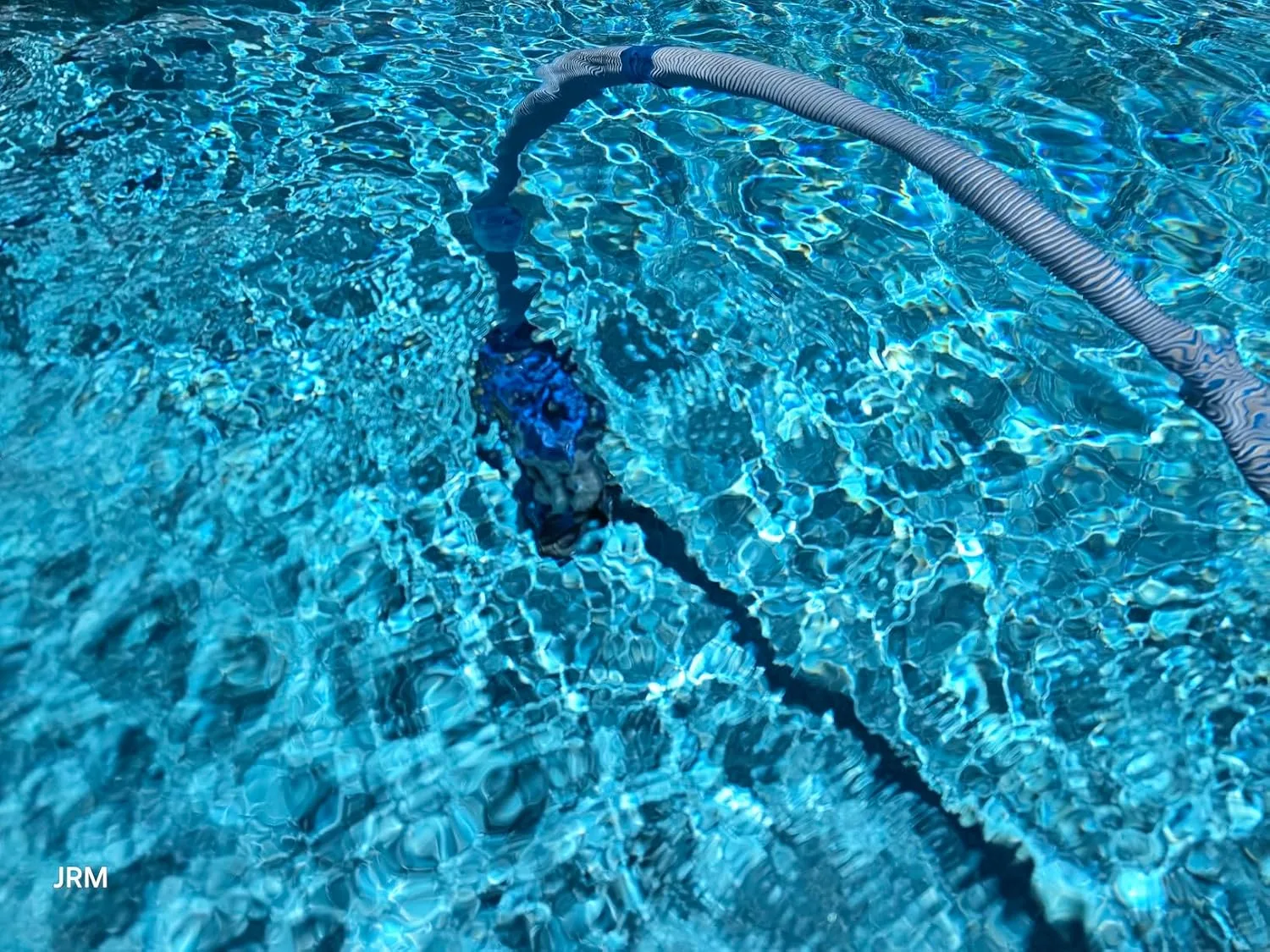
I had one tense afternoon last June when I noticed the pressure creeping up after only two days of MX6 operation, and I nearly panicked—until I realized I’d just forgotten to empty the basket after an overnight windstorm. That single basket-check saved me from the exact nightmare the HOA homeowner experienced. If you’re in a similar situation, grab the Zodiac MX6 Suction-Side In-Ground Pool Cleaner and commit to a weekly basket inspection during leaf season.
This post contains affiliate links. As an Amazon Associate, I earn from qualifying purchases at no extra cost to you.