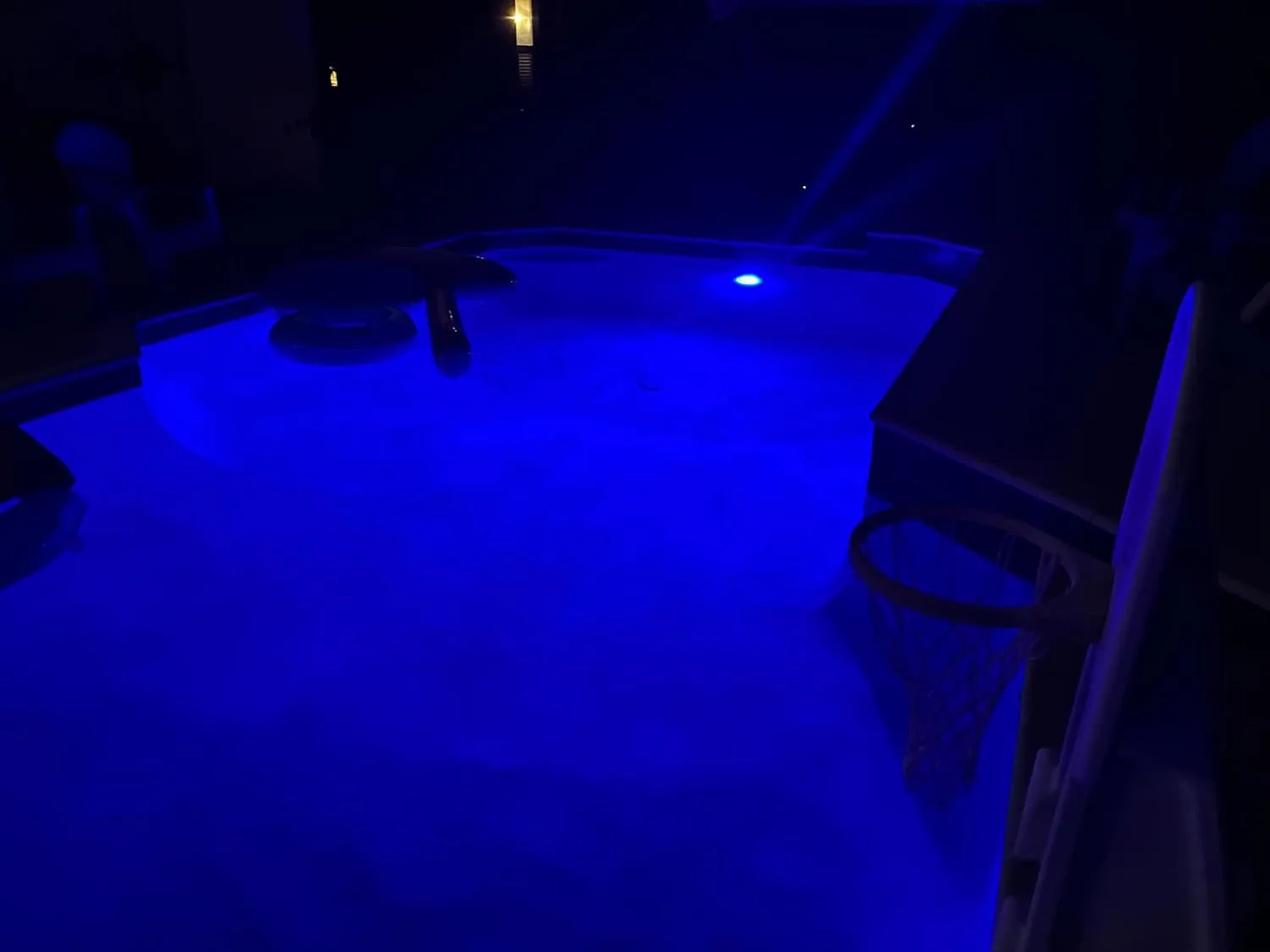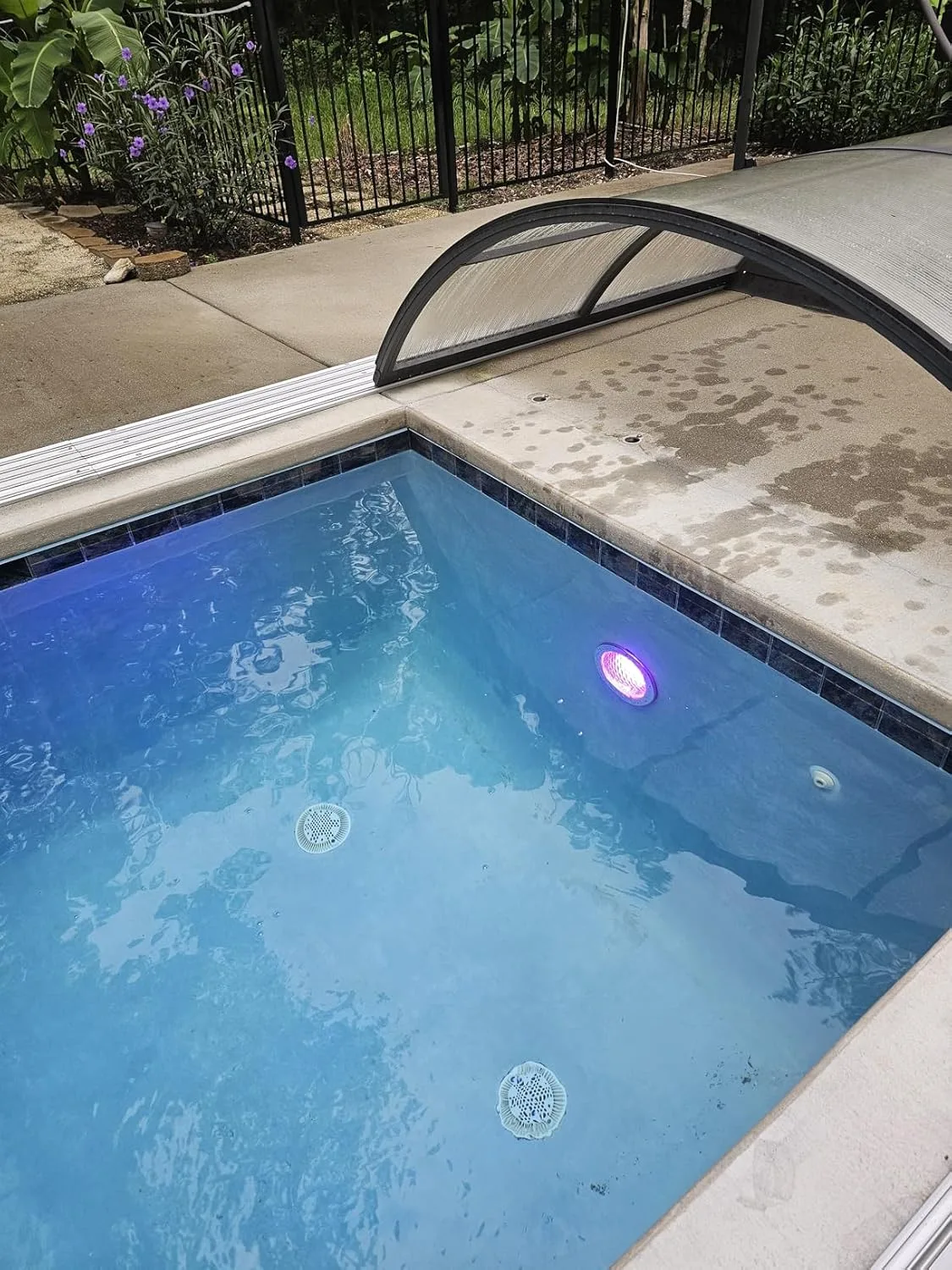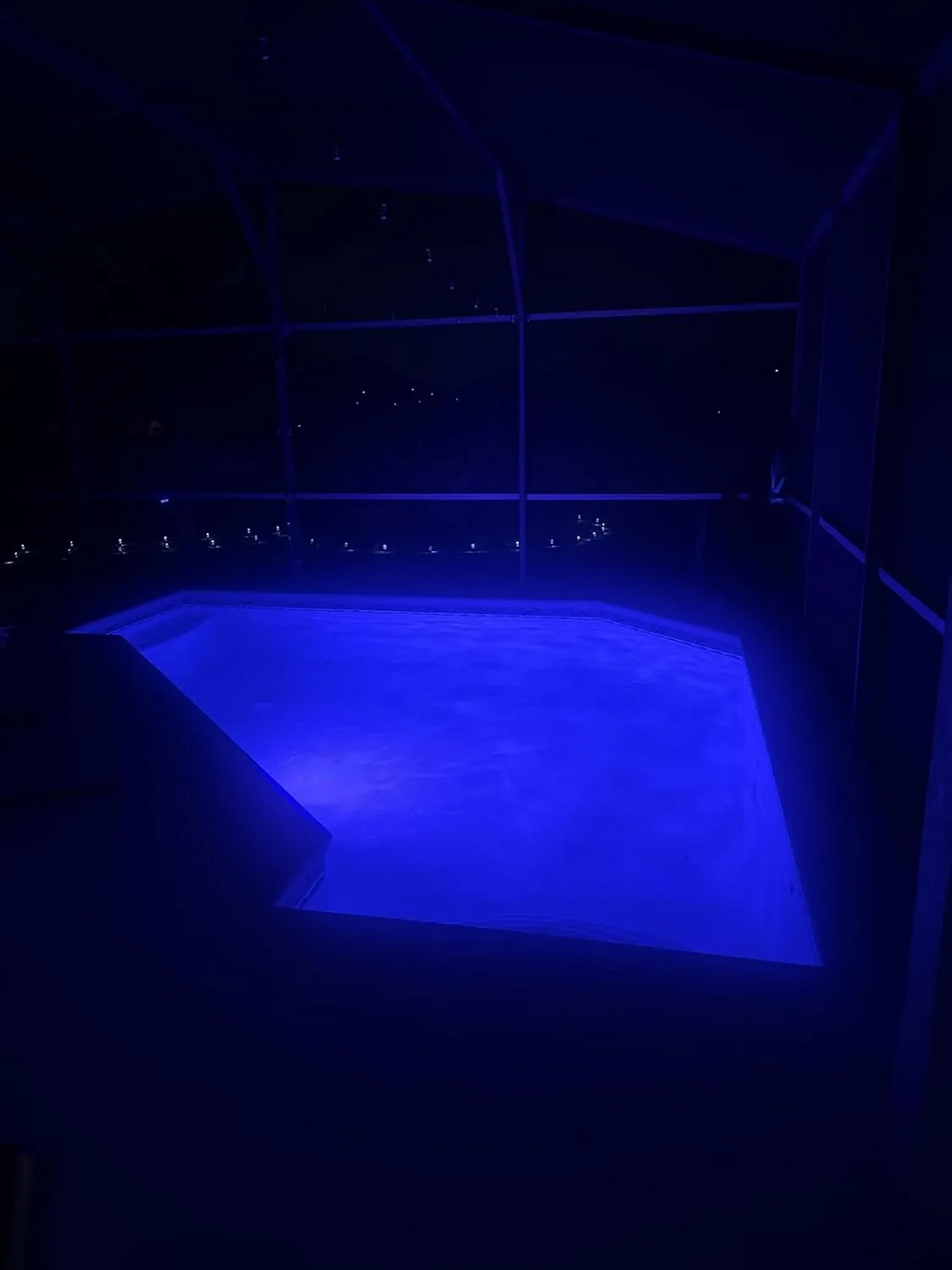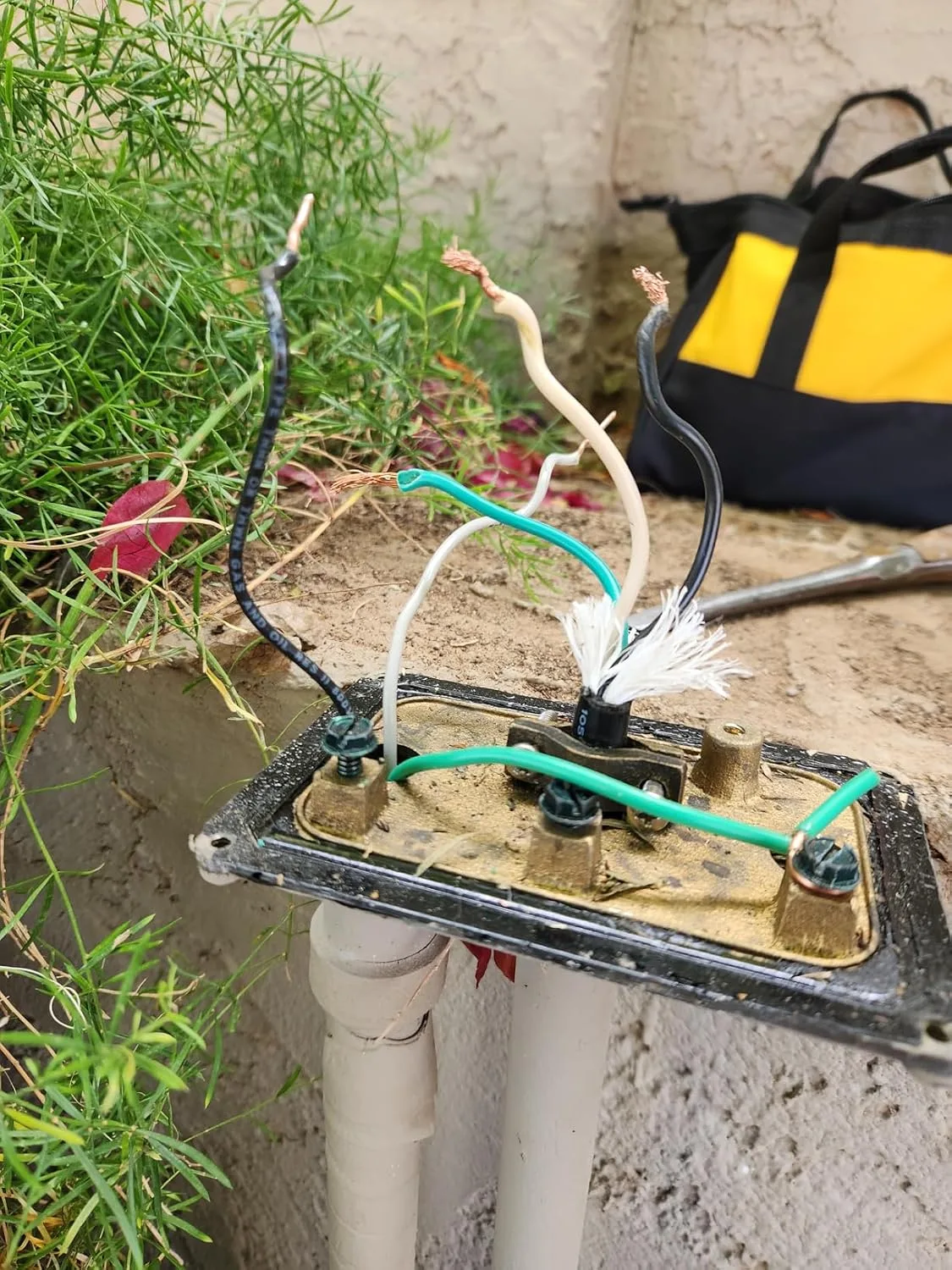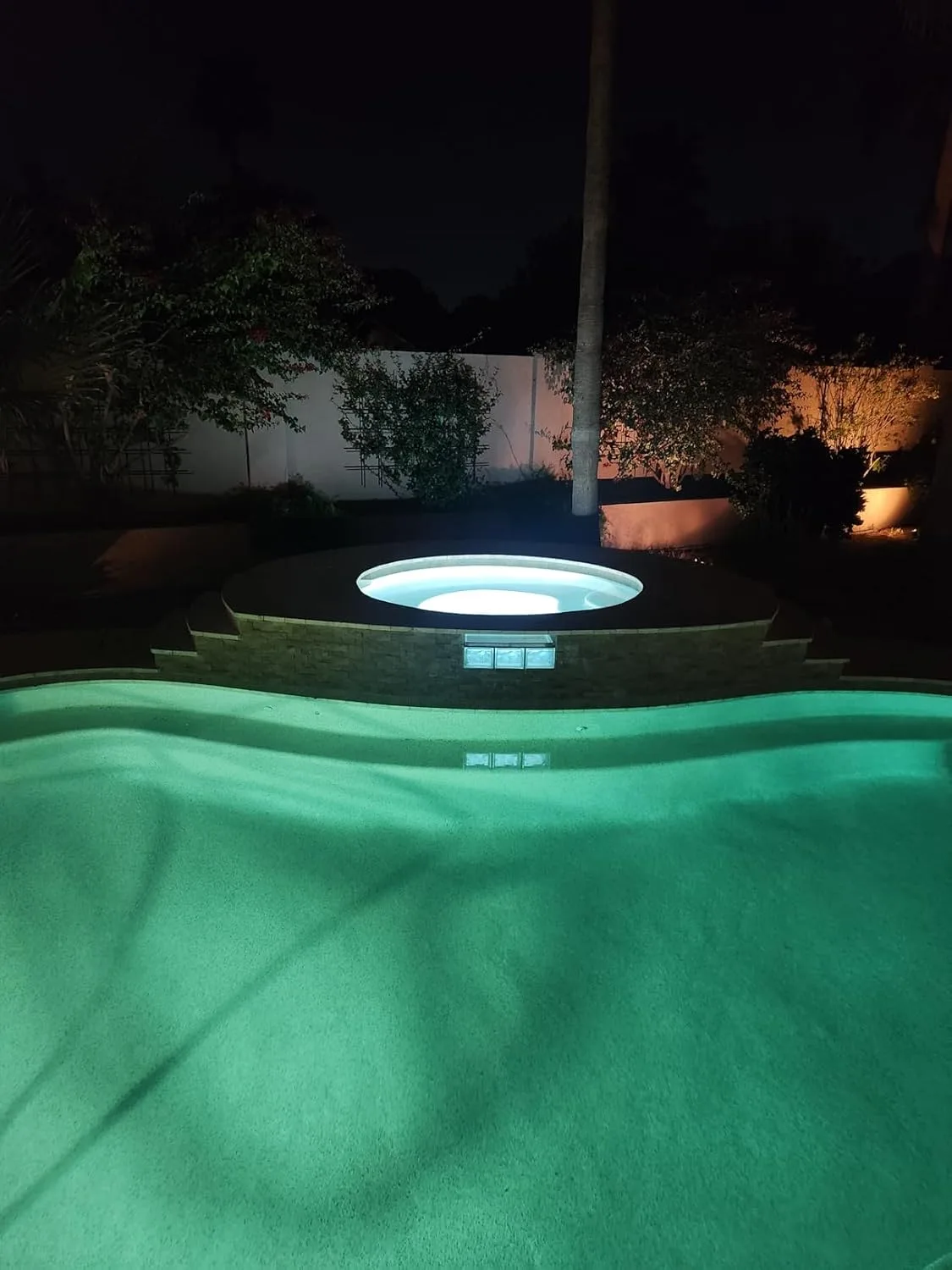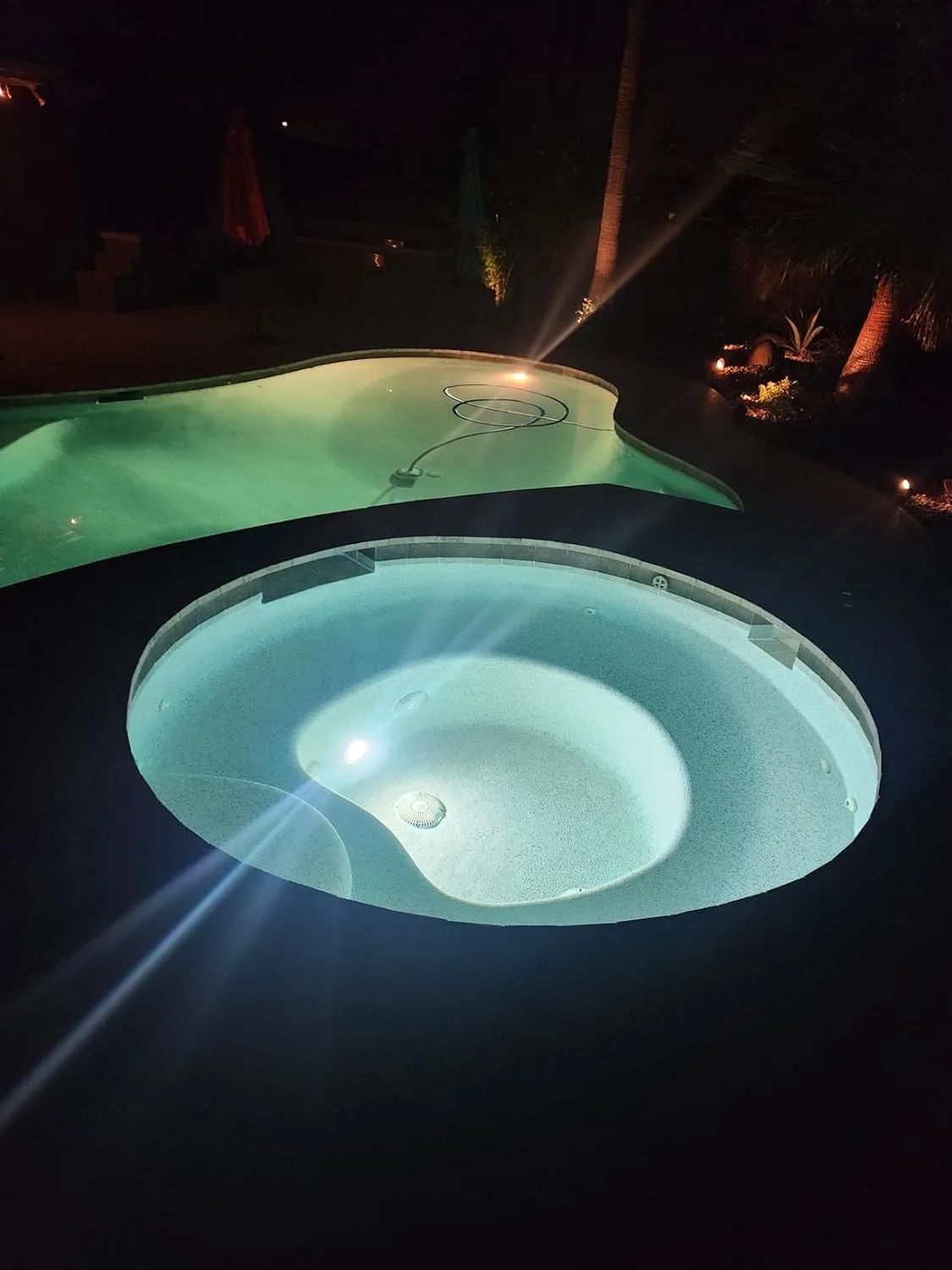
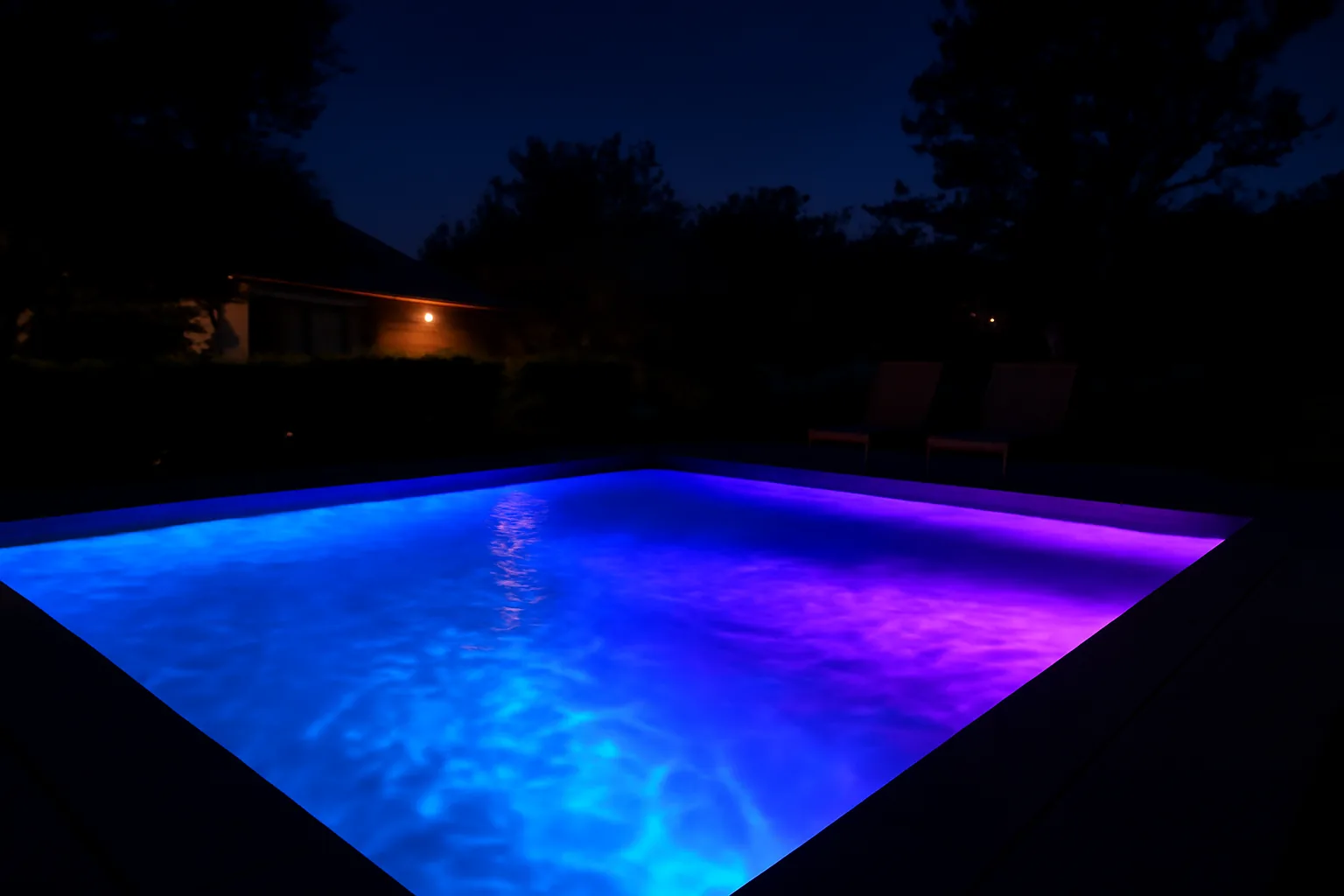
The first time a guest at one of my resort accounts saw the pool lit up at night, she stopped mid-stride and said, “That looks like something from a magazine.” I had just finished swapping out two aging incandescent fixtures for modern underwater LED pool lights. That moment stuck with me — because up until then, I had been skeptical about how much of a real-world difference a lighting upgrade could make. If you’ve been researching an underwater LED pool lights review and wondering whether the upgrade is genuinely worth it, I’m here to give you an honest, hands-on answer. Spoiler: it absolutely is — but only if you pick the right fixture for your setup.
I’m Nadia Caldwell. I’m a certified pool operator and water chemistry specialist. Over the past decade, I’ve managed pools for resorts and HOAs across the Southwest — from 20,000-gallon community pools to sprawling resort lagoons. I’ve installed, tested, and pulled apart more pool light fixtures than I can count. This post covers what I actually look for when evaluating underwater pool lights, what separates a quality fixture from a liability, and the specific product I keep recommending to my clients right now.
Why I Stopped Recommending Incandescent Pool Lights Years Ago
Incandescent pool lights burn hot, draw enormous amounts of power, and fail constantly. I used to budget roughly $80–$120 per fixture per year just in replacement bulbs for a mid-sized HOA account. That doesn’t include the labor. Standard incandescent pool lights pull 300–500 watts per fixture. An equivalent LED draws 35 watts or less. Over a full swim season — roughly 180 nights of evening use in the Phoenix area — that wattage difference adds up to real money on the utility bill.
There’s also a thermal issue most people don’t consider. Incandescent fixtures run hot enough that you’re supposed to submerge them before powering on. If someone forgets — and someone always forgets — you crack the lens. I learned this the hard way at a resort property in Scottsdale early in my career. A newly replaced $140 fixture cracked during a pre-season startup because it powered on dry. The gasket failed, water got in, and I had a nuisance tripping a GFCI breaker all season. That single mistake cost more than the fixture itself to diagnose and replace properly.
LED fixtures don’t have that thermal sensitivity. They run cool. Startup out of water isn’t ideal for any underwater fixture, but the risk of lens cracking drops dramatically. For me, that alone makes LEDs the only responsible recommendation for any pool I manage professionally.
What to Actually Evaluate in an Underwater LED Pool Lights Review
Most online reviews focus on color brightness and remote control features. Those matter, but they’re not where I start. Here’s what I evaluate first as a certified pool operator.
Niche Compatibility
Your pool has a pre-formed cavity in the wall called a wet niche. Fixtures must fit that niche precisely. The two most common sizes in residential and commercial pools are 5-inch and 10-inch niches. Installing a mismatched fixture creates serious problems — water infiltration behind the niche, failed seals, and potential electrical hazards. Before you buy anything, measure your existing niche diameter. Don’t guess.
Voltage: 12V vs. 120V
This is a safety-critical decision. The National Electrical Code (NEC Article 680) governs pool electrical installations. It requires specific bonding and grounding for all underwater fixtures. Low-voltage 12V AC systems require a step-down transformer and are generally considered safer in retrofit applications. Standard 120V fixtures integrate directly into your existing line-voltage circuit — but they demand verified bonding to the pool’s equipotential grid. Both voltages are code-compliant when installed correctly. However, 12V is my default recommendation for older pools where bonding documentation is unclear.
Cord Length and Housing Material
NEC 680.23 requires the fixture cord to reach the junction box without a splice — and that junction box must be at least 8 inches above the water line. Most residential pools need a minimum 30-foot cord. Many larger installations need 50 feet. Stainless steel housing is non-negotiable for me. Plastic housings degrade with chemical exposure over time. Stainless holds up to sustained chlorine and salt environments without warping or cracking the mounting flange.
The 12V Retrofit That Finally Replaced My Flickering Incandescent Setup
If you’re running older incandescent underwater lights like I was, you know the frustration: dim light output, constant bulb replacements, and a transformer that’s basically a relic. The jump to a modern 12V LED system is where the real transformation happens—and it’s quieter, brighter, and actually affordable to run.
What works
- The 12V AC design runs off standard pool transformer infrastructure, so I didn’t have to rewire the whole system—just swap the fixture itself.
- Light output is noticeably brighter and more consistent than the old incandescent bulbs, with none of that yellowing or dimming over time.
- Energy consumption dropped enough that I actually noticed it on my electric bill after the first month—LED really does make a difference when you’re running lights nightly.
What doesn’t
- Installation assumes you’re comfortable working with pool wiring and a transformer—if you’re not, you’ll want to call an electrician and budget accordingly.
- Color options on the 12V AC model are more limited than some fancier RGB systems, so if you want to cycle through colors, you’ll need to shop higher-end fixtures.
I’ll admit—I hesitated for months, convinced that LED upgrades were either overkill or wouldn’t fit my existing setup without a full overhaul. Then I looked at the 12V AC spec sheet and realized it was literally a bolt-in replacement. Check the SURAIELEC 12V AC Pool Light for Inground Pools if your setup is running an older transformer system.
This post contains affiliate links. As an Amazon Associate, I earn from qualifying purchases at no extra cost to you.