The best above ground pool vacuum you choose will make or break your weekly maintenance routine — and I say that from years of firsthand frustration. Early in my career managing a 14-unit HOA property in Arizona, I watched a homeowner spend 45 minutes dragging a full-size canister vacuum around a 15-foot Intex pool. The hose kinked, the head kept floating, and she gave up halfway through. The pool looked worse than when she started. That moment stuck with me. The right tool genuinely changes everything.
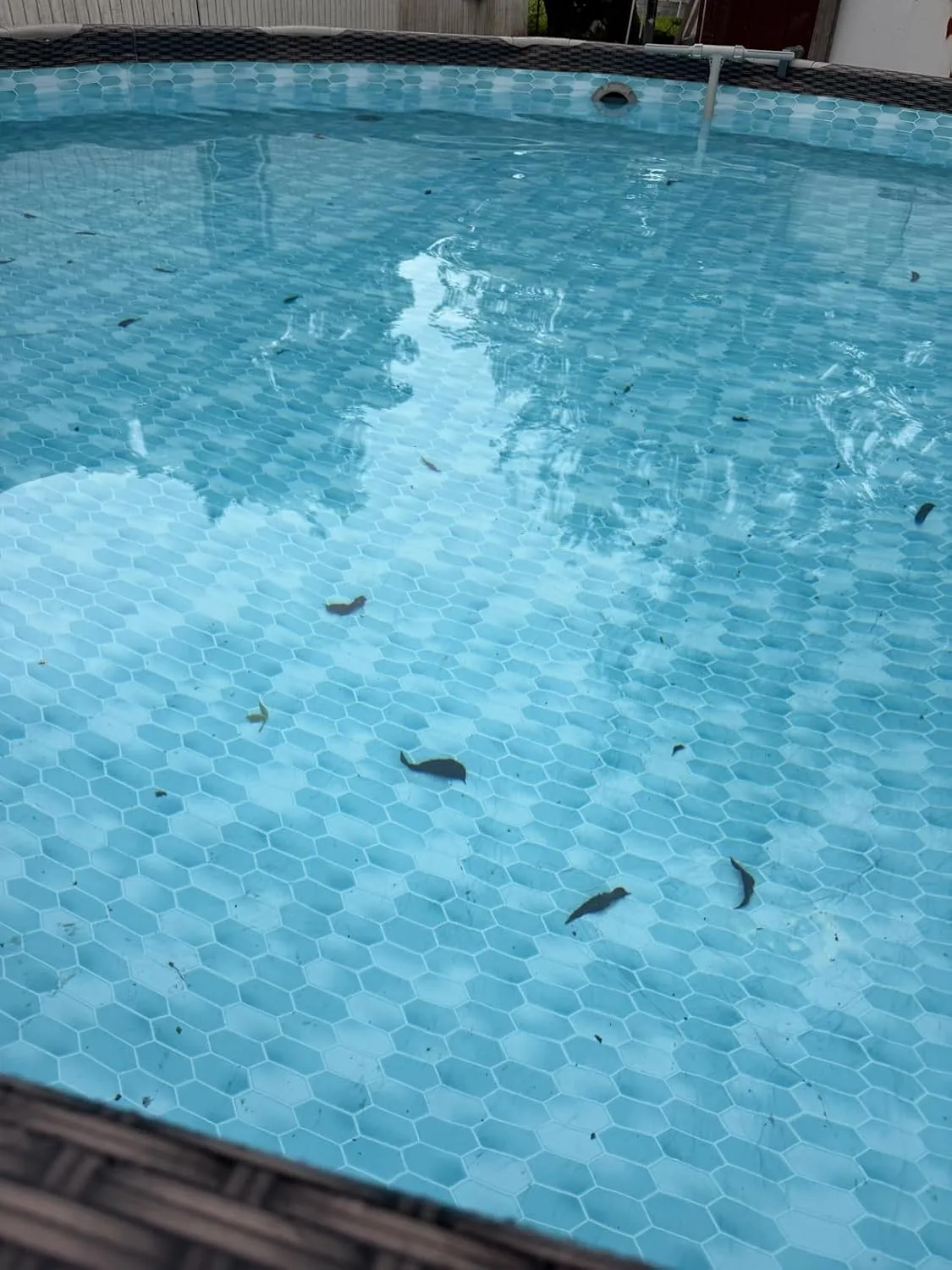
Above-ground pools have specific cleaning challenges that most people underestimate. The walls are flexible. The liners are thinner — typically 20 to 30 mil versus the 60 mil you’d see in a gunite inground build. The water volume is lower, which means debris concentration happens faster. In my experience, a vacuum that works brilliantly in a 40,000-gallon commercial pool can actually damage a soft-sided above-ground liner if the suction is too aggressive. Scale matters here.
I’ve tested and used dozens of pool vacuums over the years — cordless handhelds, manual suction heads, robotic units ranging from $89 to $1,200. In this post, I’m sharing what actually held up in real conditions, what failed me, and specifically which models I now recommend to my clients without hesitation.
What Makes a Pool Vacuum Right for Above-Ground Pools
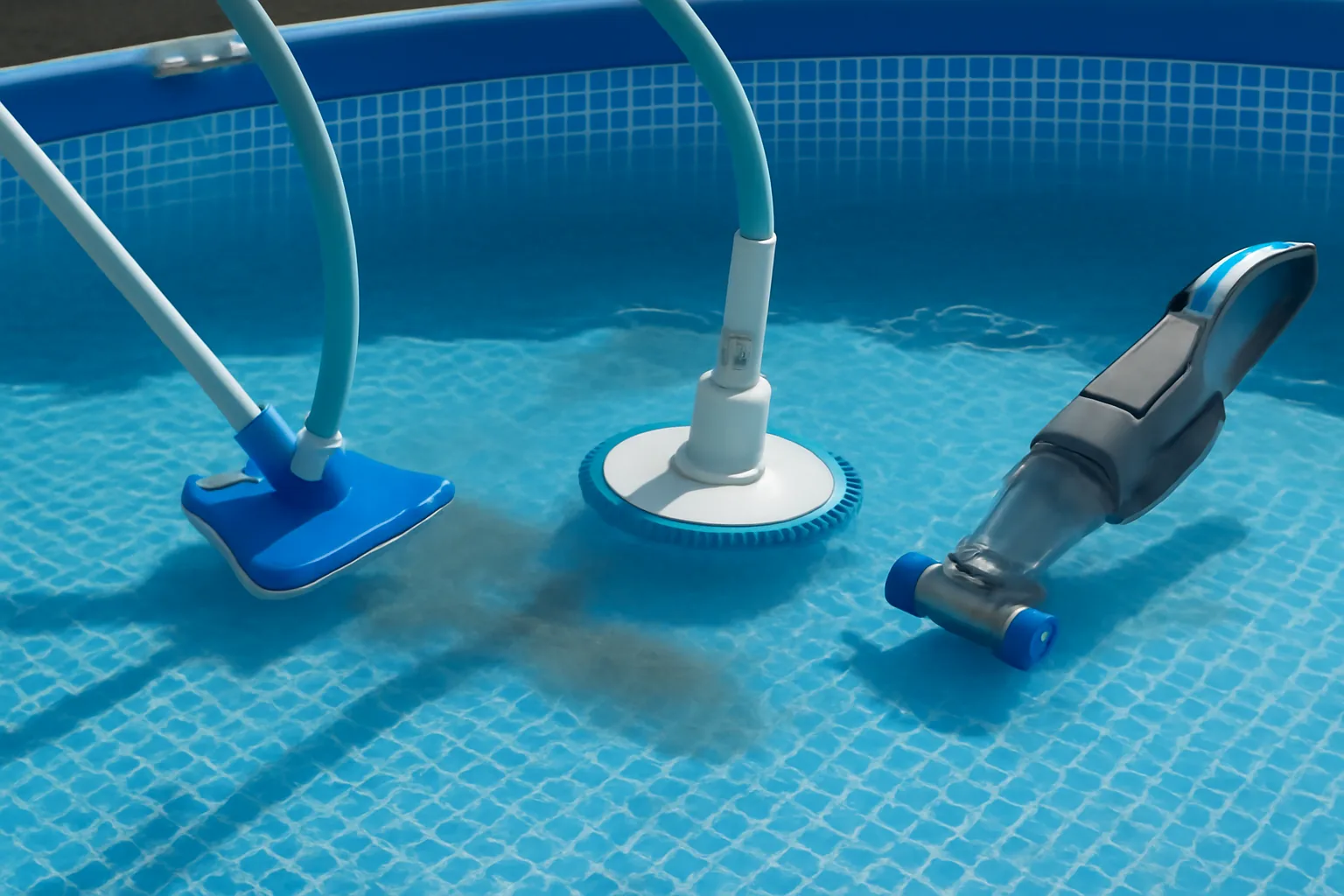
Not every pool vacuum is designed with above-ground pools in mind. The biggest factors I evaluate are suction pressure, head design, pole compatibility, and liner safety. Traditional vacuum heads connected to your skimmer work fine for routine maintenance — but they require your pump to be running, they depend on your filter being clean, and they’re clumsy in tight corners. For smaller above-ground pools, that setup is often overkill.
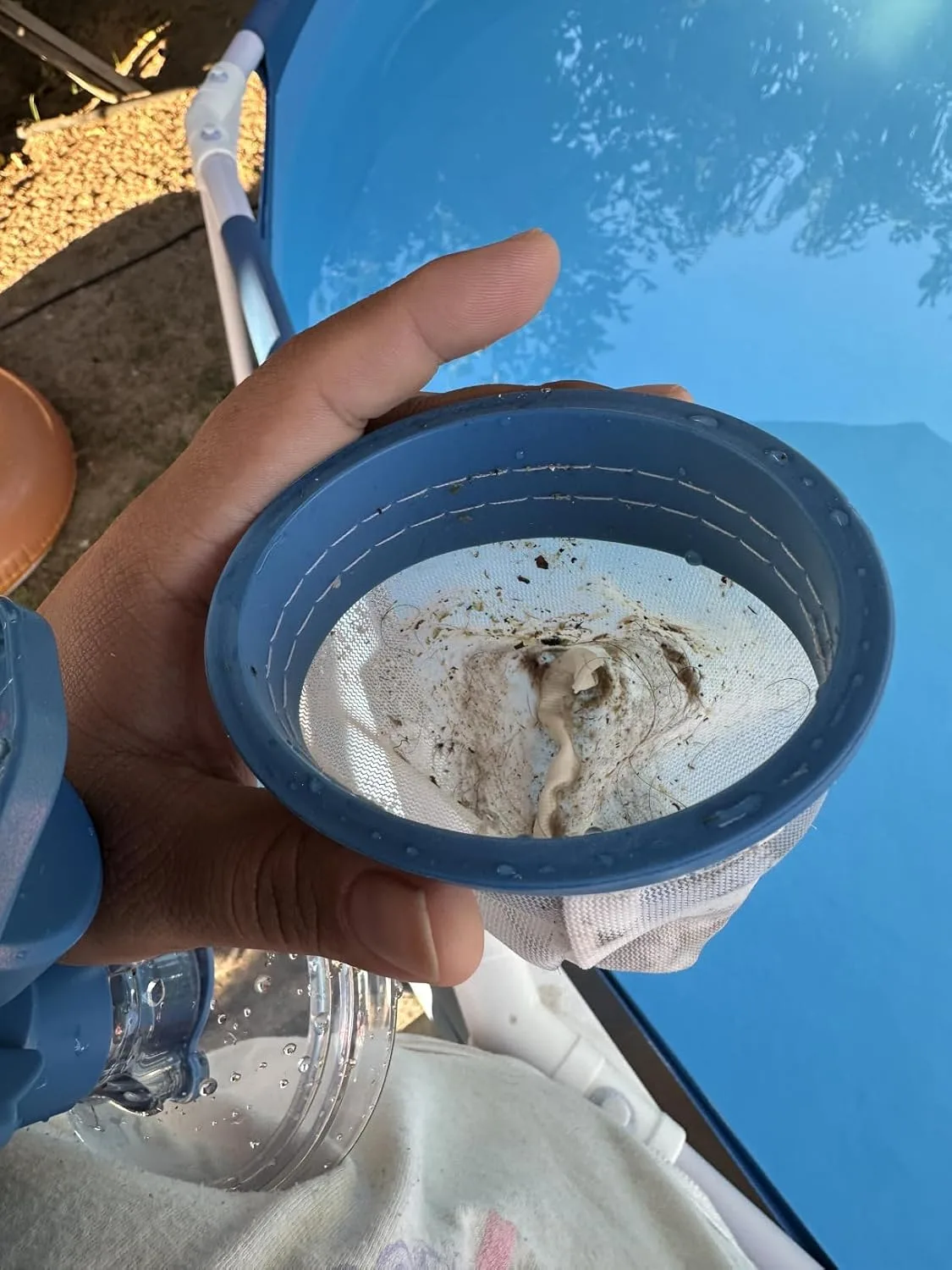
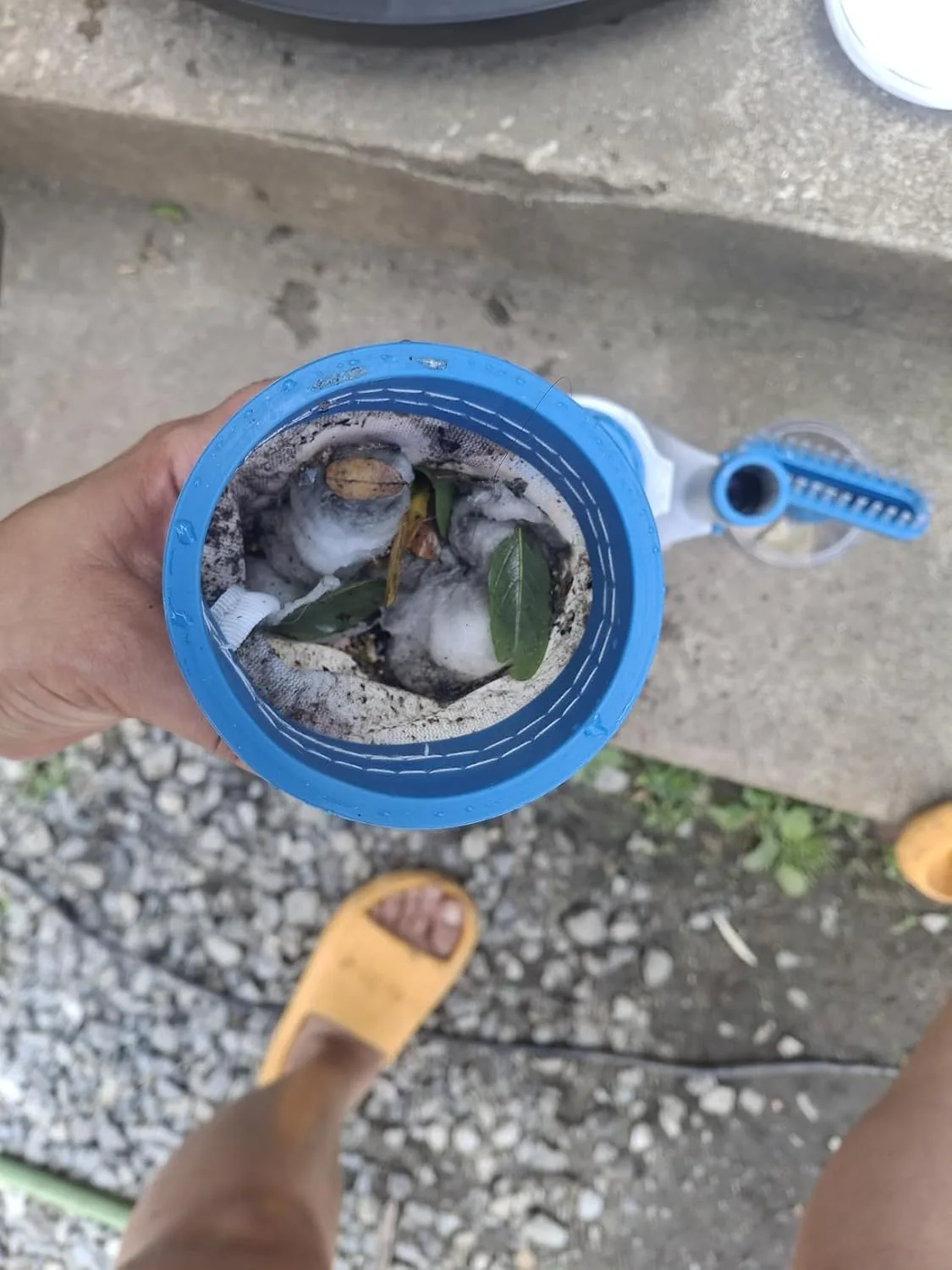
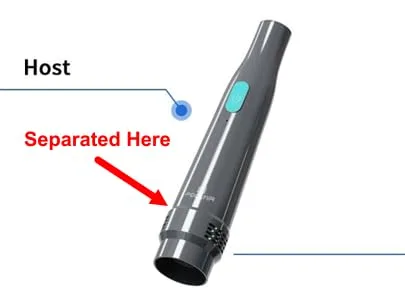
Cordless handheld vacuums have changed the game for above-ground pool owners. They’re self-contained, meaning they don’t pull debris into your filtration system at all. Instead, they trap sand and sediment in an onboard filter bag or cartridge. That’s a meaningful advantage. Your sand filter or cartridge filter doesn’t clog mid-job. You can spot-clean after a storm without spinning up your whole system.
The liner protection issue is real and often overlooked. I’ve seen poorly designed vacuum heads with hard plastic edges leave scuff marks — and in one case, a micro-tear — along the bottom seam of a 52-inch steel-wall pool. Always look for brush heads with soft bristles or rubberized edges when shopping for above-ground use specifically.
Key Specs to Compare Before You Buy
When I evaluate any pool vacuum for a client recommendation, I work through the same short checklist. Here’s what I actually look at:
- Runtime: Anything under 45 minutes is frustrating for pools over 12 feet. I aim for 60 to 90 minutes minimum.
- Suction rate: Measured in gallons per minute (GPM). For above-ground pools, 10–15 GPM is the sweet spot. Too high risks liner stress.
- Pole length: Standard 6-foot poles cover most 15- to 18-foot round pools without needing an extension.
- Brush head variety: Two interchangeable heads — one for flat surfaces, one for curved walls — gives you real versatility.
- Filter capacity: Small debris cups fill fast. Look for models with fine-mesh filters that capture sand particles down to 50 microns or smaller.
- Recharge time: Some units take 4+ hours to recharge for a 60-minute runtime. That math matters on cleaning day.
One thing I always stress to my clients: check the IP (Ingress Protection) rating on any cordless handheld vacuum. A unit rated IPX8 is fully submersible. Anything lower than IPX7 makes me nervous for underwater use. This is a safety issue, not just a performance issue — you’re operating an electrical device in water.
The Cordless Vacuum That Actually Fits in a Small Above-Ground Pool
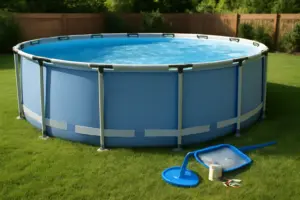
After watching that HOA homeowner struggle with an oversized canister vacuum, I realized the real problem wasn’t effort—it was scale. Above-ground pools, especially the 15-foot Intex models and smaller, need a tool proportioned to their actual footprint, not a scaled-down version of in-ground equipment.
What works
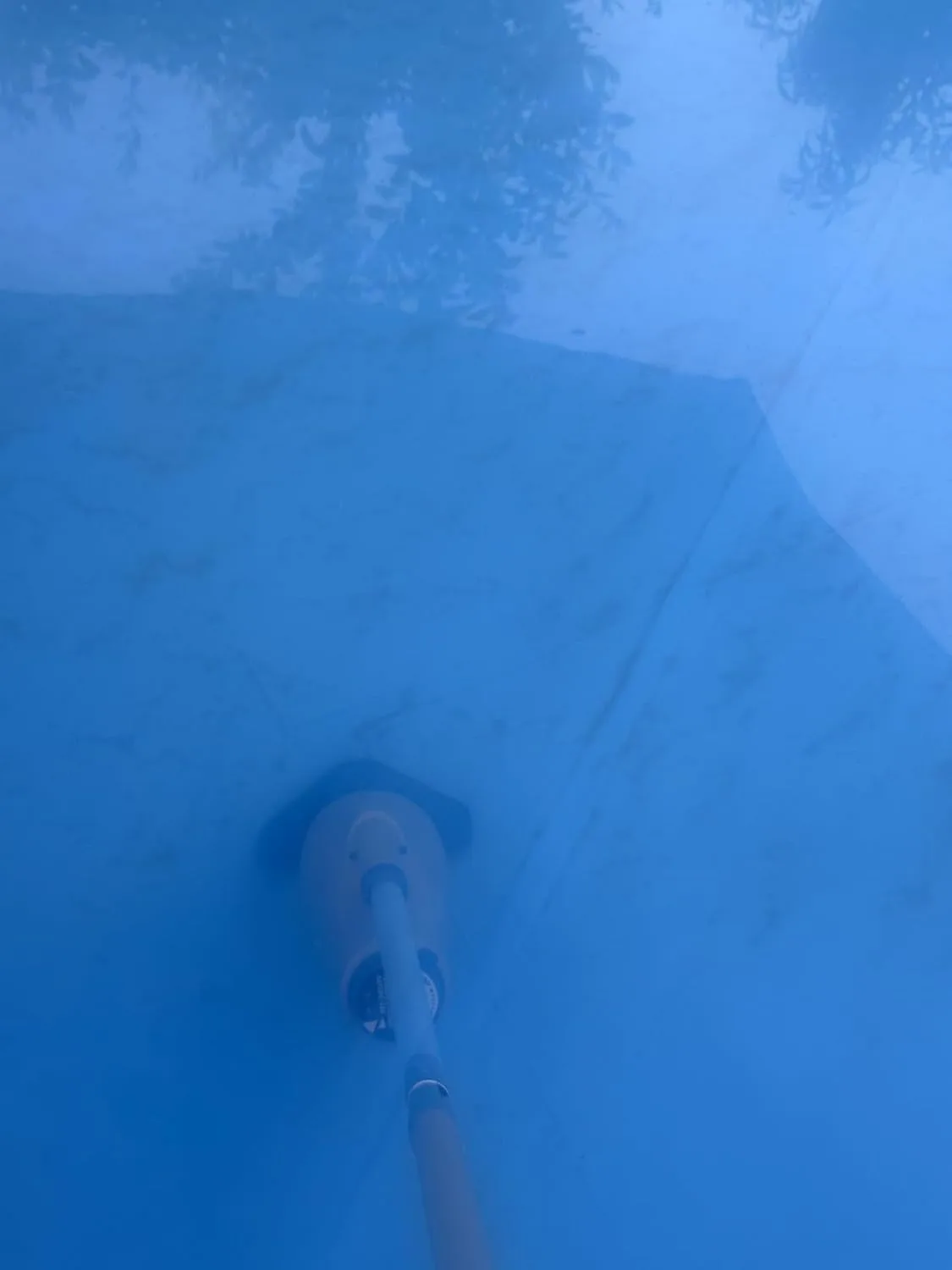
- The compact head and hose navigate tight spaces without kinking or the float-away head issue that plagued that first-hand experience—it stays down and tracks the floor consistently.
- Cordless operation means no pump or external power setup required; you charge it overnight and vacuum in under 15 minutes for weekly maintenance on a typical above-ground pool.
- One-person operation from start to finish—no hose management, no kneeling to adjust flow, no wrestling with equipment that weighs as much as pool water feels.
What doesn’t
- Battery life caps out around 20–30 minutes depending on suction mode, so deeper or heavily soiled pools may need a recharge mid-session.
- Not designed for heavy debris (acorns, leaves, large pebbles)—you’ll want to skim and brush first, which adds a prep step some owners skip.
I was skeptical that a handheld cordless unit could truly replace the traditional setup until I timed one full cycle—the simplicity and speed almost felt like I was shortcutting something important. KOKIDO Cordless Handheld Pool Vacuum
This post contains affiliate links. As an Amazon Associate, I earn from qualifying purchases at no extra cost to you.